


In this blog
Ephesus is the single major reason why Kusadasi is a famous tourist destination in the first place. It is one of the best-preserved ancient cities in the world, a UNESCO World Heritage Site, and a place that genuinely looks and feels the way you hope a great archaeological site will when you first arrive. Ancient marble streets, a library facade that has been standing for nearly two thousand years, a theatre that once held 25,000 people, and the ruins of a temple that was counted among the Seven Wonders of the Ancient World: Ephesus is not overselling itself.
Is Ephesus worth visiting from Kusadasi? Without any hesitation, yes. It is one of the most extraordinary ancient sites in the Mediterranean and it sits just 20 kilometres from Kusadasi's cruise port, making it one of the most accessible major historical sites anywhere in Turkey. This guide covers what Ephesus is famous for, what to see, how to get there, the entrance fee, how long to allow, and all the practical tips you need to get the most out of your visit. And if you are looking for organised tours from Kusadasi, Kusadasi collection has a strong range of well-reviewed options.
Things to Do in Kusadasi










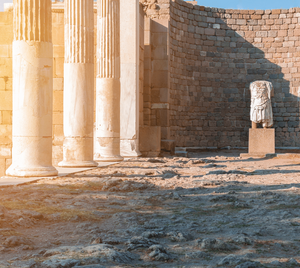
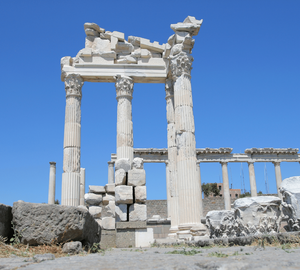
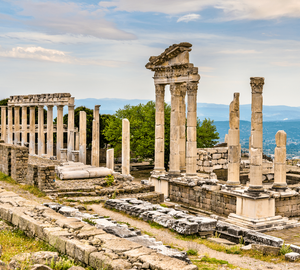
What Is Ephesus Famous For?

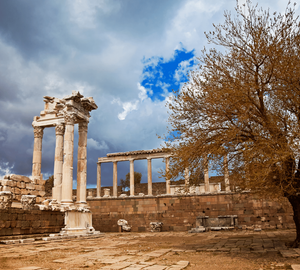
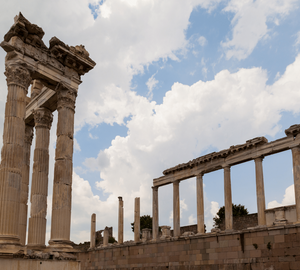
Ephesus was originally founded by Ionian Greeks in the 10th century BC and later became one of the greatest cities of the Roman Empire, functioning as the main commercial centre of the entire eastern Mediterranean at its peak. It is estimated that at one point as many as 225,000 people lived there. The city's excavated remains reflect centuries of history, from classical Greece to the Roman Empire to the early spread of Christianity.
Today it is considered Europe's most complete ancient city. The Apostle Paul preached here, and the city is mentioned multiple times in the Bible. The House of the Virgin Mary, believed to be where Mary spent her final years, sits on a hillside just above the ruins and is one of the most visited pilgrimage sites in Turkey.
Ephesus is also home to the Temple of Artemis, one of the Seven Wonders of the Ancient World. Its ancient cult dedicated to Artemis was famous in antiquity and made Ephesus a major pilgrimage city even before the Roman era.
Only around 20 percent of the land has been fully excavated over the past 150 years, which means what you see today is a fraction of what eventually remains to be uncovered.
The Main Highlights of Ephesus
The Library of Celsus
The Library of Celsus is the most photographed and most recognisable structure in Ephesus. Built in 117 AD by Tiberius Julius Aquila in honour of his father, it served as both a library housing over 12,000 scrolls and a mausoleum, with Celsus's sarcophagus placed beneath the building. It was the third-largest library in the ancient world at its height.
The two-storey facade still stands to its full height, adorned with columns and niches that once held statues representing Wisdom, Knowledge, Intelligence, and Excellence. It was destroyed by a fire in 262 AD during a Gothic invasion, and the remarkable facade visible today is the result of a painstaking restoration project in the 1970s. It is, by almost universal agreement among visitors, one of the most spectacular archaeological structures anywhere in the world.
The Great Theatre

The Great Theatre of Ephesus could seat 25,000 spectators and is one of the largest and best-preserved ancient theatres in the world. It was used for gladiatorial games, theatrical performances, and civic assemblies. It is also mentioned in the Bible, in the Book of Acts, as the site of a riot against the Apostle Paul. Climbing to the upper tiers provides sweeping views across the ancient city and down the old harbour road toward what was once the sea.
The Terrace Houses

The Terrace Houses are among the most remarkable and most visited sections of the site, requiring a separate additional entrance fee. These are the excavated homes of Ephesus's wealthiest residents from the first to the seventh centuries AD, and they are preserved under a modern protective roof. Walking on glass platforms above the excavated interiors, visitors can see intricate mosaics, vibrant frescoes, and the remains of sophisticated amenities including underfloor heating and indoor plumbing. The level of preservation is extraordinary. For anyone with even a mild interest in how wealthy Romans actually lived, the Terrace Houses are worth every extra euro.
Curetes Street

Curetes Street is the main marble thoroughfare running through the heart of Ephesus, connecting the upper and lower parts of the city. Walking along it, with columns, statues, and monumental gates on either side, is the centrepiece experience of any visit. The marble surface is over two thousand years old and it shows in the texture and the way the light falls on it in the morning.
The Temple of Hadrian

The Temple of Hadrian sits on Curetes Street and is one of the most elegantly preserved structures in Ephesus. Built in the 2nd century AD, it features a beautifully detailed arched entrance and carved friezes depicting the founding legend of Ephesus. It is smaller than you might expect but photographically among the most striking stops on the site.
Located on a forested hillside approximately six kilometres from the main Ephesus ruins, the House of the Virgin Mary is a small stone chapel built on foundations believed to date to the first century AD. It is an important pilgrimage destination for both Catholics and Muslims, and has been visited by several popes. The setting on the quiet wooded hillside is peaceful and atmospheric in a way the main site often is not. It is typically combined with an Ephesus visit as part of a day trip from Kusadasi.
Getting to Ephesus from Kusadasi
Ephesus is approximately 19 kilometres from Kusadasi's cruise port, and the driving time is around 25 to 30 minutes depending on traffic. There are several ways to get there.
Organised tour from Kusadasi is the most common and convenient option, particularly for cruise passengers. Tours typically include hotel or port pickup, transport, a licensed guide, and entrance tickets. Half-day tours of around four hours focus on the main site; full-day tours also include the House of the Virgin Mary, the Basilica of St John, and often a stop at Sirince village. For cruise passengers with limited port time, a tour that guarantees a return to the ship by a specific time is the most practical choice.
Private transfers and taxi are straightforward and can be arranged from the port or through your hotel. Agree on the return fare and waiting time before setting off. A knowledgeable driver who knows the site well can also act as an informal guide.
Dolmus (shared minibus) from Kusadasi to nearby Selcuk runs regularly and is the cheapest option. From Selcuk, the site is a short taxi ride or a 30-minute walk to the entrance. This works well for independent travellers with more time and flexibility.
Ephesus Entrance Fee
The standard entrance fee for the main Ephesus archaeological site is around 40 euros for international visitors, which also includes the Ephesus Experience Museum.
The Terrace Houses require an additional fee of 15 euros on top of the main ticket. This is genuinely worth paying for anyone interested in Roman domestic life, mosaics, and frescoes.
Children under the age of 8 enter free, but proof of age may be required.
An audio guide rental is available at the site for around 450 Turkish Lira and is strongly recommended if you are visiting without a guide. Without context, many of the ruins can seem like scattered stones. With a knowledgeable guide or audio guide, the site transforms into something genuinely extraordinary.
Prices are subject to change and it is advisable to confirm current fees before visiting.
When to Visit Ephesus from Kusadasi
Timing your visit makes a significant practical difference at Ephesus, for two distinct reasons.
Time of day: The site gets incredibly crowded between 10:00 AM and 2:00 PM when cruise ship tours from Kusadasi arrive in large numbers. Being at the gate when it opens at 8:00 AM allows you to walk the marble streets with few other visitors and in considerably more comfortable temperatures. The alternative is visiting late in the day after around 4:00 PM as the crowds begin to thin out.
Time of year: Spring from April to May and autumn from September to October are the best times to visit. The weather is mild, the crowds are smaller, and the site is more comfortable to explore. Summer months, particularly July and August, can be very hot. The site is almost entirely exposed marble with virtually no shade, and the combination of intense heat and large tour groups in peak summer makes for a significantly more challenging visit.
One interesting summer alternative worth knowing about: a Night Museum option operates at Ephesus during the summer months, when the site opens in the evening. Seeing the Library of Celsus illuminated at night is a genuinely different and magical experience that avoids both the heat and the daytime crowds.
How Long Does Ephesus Take?
To see the main highlights of the site including the Library of Celsus, the Great Theatre, Curetes Street, and the Temple of Hadrian, plan for a minimum of two to three hours.
If you also want to visit the Terrace Houses, the Ephesus Museum in nearby Selcuk, and the House of the Virgin Mary, plan for at least five to six hours total for the combined experience.
Cruise ship visitors spending three hours at the ruins find it adequate for the main highlights, but the drive from Kusadasi and a stop for lunch means the whole excursion typically becomes a full half-day.
Should You Use a Guide?
Using a licensed guide makes a material difference to the experience at Ephesus. Without a guide, the ruins can seem like just very old stones. With a good guide, you understand the human stories behind each structure, the political intrigues, the daily life of citizens who walked these streets, and why the city eventually declined as the harbour silted up and the sea retreated.
If you join a small group or private tour, the guide is usually included. If you are exploring independently, hiring a guide at the site entrance is possible, or an audio guide provides the minimum necessary context to make the visit meaningful.
Practical Tips for Visiting Ephesus
Wear grippy shoes. The marble surfaces at Ephesus become dangerously slippery, especially when wet. Worn smooth by two thousand years of foot traffic, wet marble can cause serious falls. Multiple visitors have reported injuries from slipping at the site. Do not visit in sandals, heels, or smooth-soled shoes.
Bring a hat and sunscreen. The site has virtually no shade. In summer, the combination of reflected heat from the marble and direct sun is intense from mid-morning onwards. A sun hat is not optional in July and August.
Carry water. Restrooms and a cafe are available only at the two main entrances and at the cafe near the Great Theatre. There are no water sources or shade structures along the main route through the site.
Enter from the Upper Gate. The site has two entrances: the Upper Gate (South Gate) and the Lower Gate (North Gate). Most guided tours enter from the Upper Gate and walk downhill through the city, ending at the Great Theatre. This is the recommended direction as it is much easier going downhill on the uneven marble than uphill.
Book tours in advance in peak season. During July and August, organised tours from Kusadasi fill up quickly. Booking one to two days in advance is recommended. Early morning departure tours are the first to sell out.
Combine with Sirince village. The charming hillside village of Sirince, known for its fruit wines and traditional houses, is a short drive from Ephesus and makes for an excellent add-on to a full-day tour. Many organised tours from Kusadasi include it as a lunch or afternoon stop.
What Else Is Near Ephesus?
Several other significant sites are within easy reach and combine naturally with an Ephesus visit:
Basilica of St John in Selcuk, built on the tomb of St John the Apostle, is a fifteen minute drive from the main site and worth a short visit.
Temple of Artemis, one of the Seven Wonders of the Ancient World, is a five minute drive from Selcuk. A word of honest expectation: very little remains. A single reconstructed column stands in a marshy field. It is worth stopping for the historical significance rather than for visual spectacle.
Selcuk Archaeological Museum in the town of Selcuk contains many of the finest objects excavated from Ephesus over the decades and provides excellent context for what you have seen at the site.
Sirince village, a 30-minute drive into the hills, is a beautifully preserved traditional village famous for homemade fruit wines and excellent local food. It is one of the most pleasant lunch stops in the region.
Ready to visit Ephesus? Browse the best Ephesus tours and day trips from Kusadasi and book your visit with confidence.
FAQ
Is Ephesus worth visiting from Kusadasi?
Yes, absolutely. Ephesus is one of the most extraordinary ancient sites in the Mediterranean and is just 25 to 30 minutes from Kusadasi by road. It is the main historical reason Kusadasi exists as a tourist destination and should not be missed by anyone visiting the region.
What is Ephesus famous for?
Ephesus is most famous for the Library of Celsus, the Great Theatre, the Terrace Houses with their preserved mosaics and frescoes, the Temple of Hadrian, and the nearby House of the Virgin Mary. It was also home to the Temple of Artemis, one of the Seven Wonders of the Ancient World, and is one of the most complete surviving ancient cities anywhere in the world.
How much is the Ephesus entrance fee?
As of 2025, the standard entrance fee is 40 euros per person, including the Ephesus Experience Museum. The Terrace Houses require an additional 15 euros. Children under 8 enter free.
How long does it take to visit Ephesus?
Two to three hours covers the main highlights of the site. Adding the Terrace Houses, House of the Virgin Mary, and Ephesus Museum in Selcuk brings a typical full visit to five or six hours.
When is the best time to visit Ephesus from Kusadasi?
Early in the morning when the site opens at 8:00 AM, before cruise ship groups arrive. For the best overall experience, spring (April to May) and early autumn (September to October) offer the most comfortable conditions with fewer crowds.
Can you visit Ephesus independently from Kusadasi?
Yes. A shared dolmus from Kusadasi to Selcuk takes around 45 minutes and connects to local taxis to the site. However, using an organised tour with a licensed guide significantly enhances the experience and is practical for cruise passengers who need guaranteed return transport.


