Everything you need to know about Things to do in Aswan

 Top Attractions in Aswan

Philae Temple: The Ancient Sanctuary of Isis

The History and Significance of Philae Temple
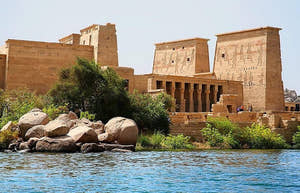
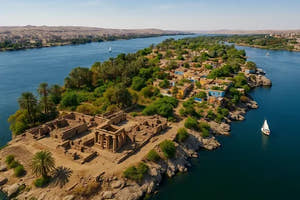
Nestled on Philae Island in Aswan, Philae Temple is one of Egypt’s most revered and beautiful sites. Dedicated to the goddess Isis, this ancient temple complex has a rich history tied to the worship of the goddess, who was central to Egyptian mythology and religion. The temple's origins date back to the reign of Ptolemy II in the 3rd century BCE, although it was expanded during the Roman period.

Philae Temple was a center of religious worship for many centuries, and its location on an island in the Nile made it a sacred site for the people of Egypt. The temple is particularly important because it was one of the last places where the ancient Egyptian religion continued to thrive, even after the rise of Christianity.

When the Aswan High Dam was constructed, the island and its temple were at risk of being submerged by the rising waters of Lake Nasser. To save this iconic monument, UNESCO undertook a remarkable operation in the 1960s to relocate the temple to its current position, ensuring its preservation for future generations.

How to Explore the Temple’s Architectural Wonders and Sacred Importance
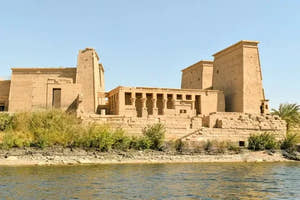
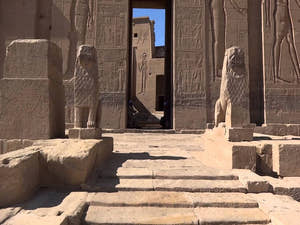
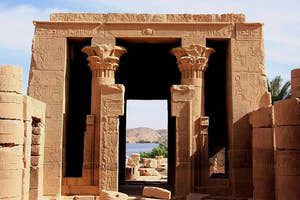
Visiting Philae Temple is an immersive journey through history. As you approach the temple, you'll see the towering pylon entrance, which leads you into the grand courtyard and the inner sanctum. The walls of the temple are covered with detailed hieroglyphics, depicting various mythological stories and the deeds of ancient gods and kings.

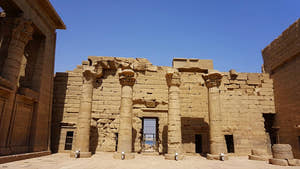
Inside, you’ll find the sanctuary of Isis, the holiest part of the temple, where priests once performed rituals to honor the goddess. The Cleopatra kiosk, a structure dedicated to the famous queen of Egypt, adds to the charm and historical depth of the site. As you explore, don’t miss the hypostyle hall, with its intricately carved columns and grand design that showcases the skill of ancient Egyptian architects.

The temple is not just about beauty; it’s also about experiencing the spiritual significance of the site, which draws visitors seeking to connect with Egypt’s ancient heritage.

Aswan High Dam: Egypt’s Modern Engineering Marvel

Understanding the Role of the Aswan High Dam in Egypt’s Economy and Irrigation
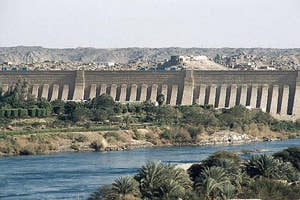
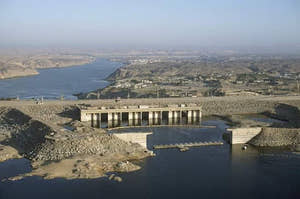
The Aswan High Dam, completed in 1970, is a remarkable achievement in modern engineering and one of the most important infrastructure projects in Egypt’s history. Located just south of Aswan, this massive structure was built to control the annual flooding of the Nile, improve irrigation, and generate hydroelectric power. Its construction fundamentally changed Egypt’s agricultural landscape, allowing for year-round farming by regulating the flow of the Nile.

The dam plays a critical role in Egypt's economy, providing the country with the water and power needed to support its growing population. It also helps in flood control, preventing the destructive flooding that historically devastated crops and settlements along the Nile.

Visitor Experiences and What You’ll See
Visiting the Aswan High Dam provides insight into how modern engineering can coexist with ancient history. At the dam’s visitor center, you can learn about its construction, challenges faced, and its significance for Egypt’s economy. Standing on the dam itself, you’ll get a stunning view of the Lake Nasser reservoir, which stretches out for miles. The size of the dam and its impact on the Nile’s flow are humbling and awe-inspiring.

Nubian Museum: A Cultural Deep Dive

What You’ll Learn at the Nubian Museum and Why It’s Essential for Understanding Aswan’s Heritage
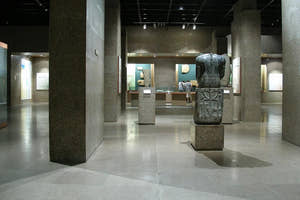
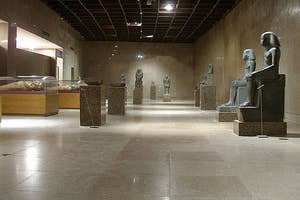
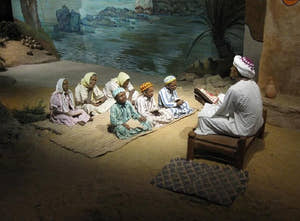
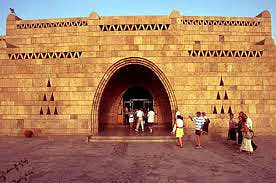
The Nubian Museum in Aswan is a must-visit for those wanting to dive deeper into the region’s rich history and culture. Dedicated to the history of Nubia, an ancient kingdom that thrived in the region before being absorbed into Egypt, the museum houses thousands of artifacts that illustrate the vibrant history of the Nubian people.

Nubian culture dates back over 5,000 years, and the museum offers an in-depth look at the Nubian people’s lives, from their art to their customs, their kingdoms to their eventual displacement due to the creation of Lake Nasser. The museum also highlights the Nubian language, traditional crafts, and the heritage of this fascinating civilization.

For history enthusiasts, the Nubian Museum is an invaluable resource in understanding the history of Egypt’s southern neighbor, and it gives important context to many of the ancient sites in and around Aswan.

Unfinished Obelisk: The Mysteries of Ancient Egyptian Engineering

Exploring the Massive Unfinished Obelisk and Its Importance in Ancient Egyptian Construction
Located in the quarry of Aswan, the Unfinished Obelisk is an impressive reminder of ancient Egyptian engineering prowess. This colossal obelisk, intended for Hatshepsut’s reign, was abandoned during its construction, leaving it partly embedded in the bedrock. The obelisk would have been one of the largest ever constructed, measuring around 41 meters in height and weighing approximately 1,000 tons.

Today, the Unfinished Obelisk is an extraordinary site for visitors, as it offers a glimpse into how the Egyptians carved and transported these massive stones. Visitors can view the chisel marks left behind, showing the labor-intensive process of creating such large monuments using copper tools.

Why This Site is Significant for History Enthusiasts
The Unfinished Obelisk holds great significance for history enthusiasts and archaeologists because it provides key insights into ancient Egyptian quarrying methods and their sophisticated techniques in stone cutting and transportation. It also illustrates the challenges faced by ancient workers and provides a deeper understanding of how these monumental projects were planned and executed.

 Must-Do Activities in Aswan

Felucca Boat Ride: A Peaceful Cruise on the Nile

Why a Felucca Ride on the Nile is a Peaceful and Relaxing Way to Enjoy the Sights of Aswan
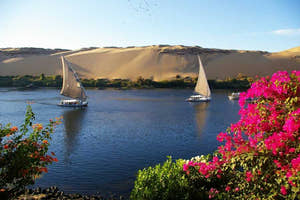
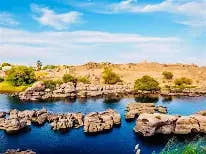
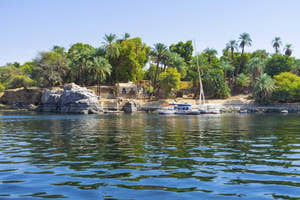
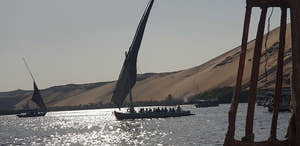
One of the best ways to experience the beauty of Aswan is from the serene waters of the Nile River aboard a Felucca. These traditional wooden sailboats have been used for centuries, offering a tranquil and slow-paced way to explore the river's banks. Whether you’re looking to take in the ancient temples, islands, or simply enjoy the Nile's calm waters, a Felucca boat ride gives you an authentic and peaceful experience. The gentle breeze as you sail past historic landmarks creates a calming atmosphere that enhances the natural beauty of Aswan.

The Felucca is ideal for visitors who want to relax and appreciate the surroundings at a more leisurely pace. With no engines to disrupt the peace, it's just you, the boat, and the stunning views of Aswan and the Nile.

Best Times for a Felucca Experience
To make the most of your Felucca boat ride, the best times are early in the morning or late in the afternoon. During these hours, the weather is cooler, and you can avoid the heat of the midday sun. Additionally, the light during sunrise and sunset creates a magical setting, perfect for photography. Evening rides often coincide with the soft glow of sunset, making it the perfect time to capture the stunning beauty of the surrounding temples, islands, and lush greenery along the Nile.

Abu Simbel Day Trip: Visit the Iconic Temples of Ramses II

What You’ll See on a Day Trip to Abu Simbel and Why It’s a Must for Visitors
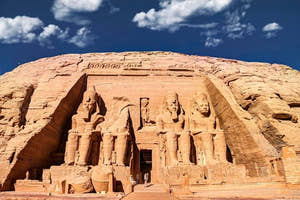
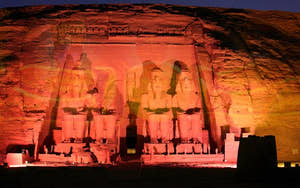
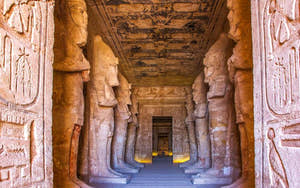
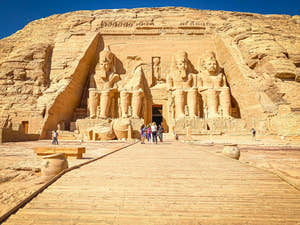
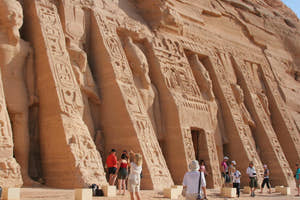
A day trip to Abu Simbel is a must-do for anyone visiting Aswan. Located about 3 hours south of Aswan, Abu Simbel is home to two grand temples built by Ramses II, one of Egypt's most powerful pharaohs. The temples, carved into the cliffs on the west bank of the Nile, are monumental in size and significance. The larger of the two temples, dedicated to Ramses II himself, is a masterpiece of ancient Egyptian architecture, with four massive statues of the pharaoh guarding the entrance. The smaller temple, dedicated to Ramses II’s queen, Nefertari, is equally stunning, with intricate carvings and statues.

Visiting Abu Simbel is not just about admiring the grandeur of the temples, but also about experiencing the history and significance of one of Egypt’s most remarkable ancient wonders.

The Significance of Ramses II and His Grand Temples
The temples of Abu Simbel are dedicated to Ramses II, one of Egypt's longest-reigning and most celebrated pharaohs. The larger temple was designed to impress both his subjects and potential invaders, showcasing his power and divine status. Ramses II’s colossal statues are meant to display his strength and authority, and the temple itself was aligned in such a way that the sun would shine on the statues of Ramses twice a year, illuminating his face and reaffirming his divine status. This architectural feat remains a testament to the grandeur of ancient Egypt and is a significant historical landmark for visitors to explore.

Nubian Village Tour: Experience Local Culture

Explore the Nubian Villages for a Unique Look into Local Life and Traditions
A Nubian village tour offers visitors a chance to step back in time and experience the traditional Nubian lifestyle. Located near Aswan, the Nubian villages offer a vibrant glimpse into the culture and heritage of the Nubian people. Historically known for their colorful houses and warm hospitality, the Nubian people have maintained their traditions and way of life despite the changes brought on by modernization.

During the Nubian village tour, you’ll have the opportunity to walk through the village, speak with locals, and observe traditional customs such as craft-making, cooking, and song and dance. It’s a chance to learn about Nubian culture firsthand and see the daily life of this unique and resilient community.

What to Expect from This Cultural Experience
When visiting the Nubian villages, you’ll experience a truly immersive cultural journey. Expect to be greeted with friendly smiles and the opportunity to participate in daily activities like weaving or pottery making. Many Nubian women still practice these ancient arts, and visitors can purchase handmade crafts as souvenirs. You'll also get the chance to enjoy traditional Nubian food, like fava beans and Nubian bread, providing a full cultural experience. The tour is not only about seeing how the Nubians live but also about understanding their connection to the land and their history.

Elephantine Island: Tranquility and Ancient Ruins

Visit Elephantine Island for a Blend of Ancient Ruins and Peaceful Landscapes
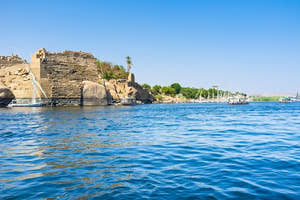
Elephantine Island is one of the most peaceful and scenic spots in Aswan, offering a perfect escape from the busy town. The island is home to several ancient ruins, including temples and Nubian settlements, which date back to the Old Kingdom. It's a place where history, nature, and tranquility come together to offer visitors a unique and serene experience.

A walk around Elephantine Island allows you to explore the ancient remains while enjoying views of the Nile River. Visitors can also see the ruins of the ancient temple of Khnum, dedicated to the ram-headed god of the Nile. As you stroll through the island’s landscapes, you’ll experience lush gardens, picturesque views, and the occasional felucca passing by.

What Makes This Island Special and What You Can Explore
What makes Elephantine Island unique is its blend of both ancient history and natural beauty. Beyond the ruins of the ancient temples and homes, the island is also known for its beautiful gardens and modern Nubian villages. Visitors can tour the island by foot or boat, making it easy to explore its many attractions. Be sure to visit the Nubian Museum on the island, which provides further insight into the history of the area and the island’s role in ancient Egyptian culture. Whether you’re an archaeology enthusiast or simply looking for a peaceful retreat, Elephantine Island offers a bit of everything.

Unique Experiences in Aswan

Kitchener Island: Explore the Botanical Gardens

Discover the Lush Greenery and Exotic Plants on Kitchener Island
Kitchener Island is a beautiful escape that offers a unique opportunity to explore a lush, verdant paradise in the heart of Aswan. Originally gifted to Lord Kitchener, the island features Botanical Gardens with a variety of exotic plants, making it a must-visit for nature enthusiasts. The island is home to a diverse range of flora, including tropical plants, flowering trees, and cacti, which have been carefully cultivated over the years.

Visitors can enjoy a relaxing stroll through the gardens, taking in the tranquil atmosphere and the vibrant colors of the plants. The natural beauty of Kitchener Island is complemented by its peaceful surroundings, making it an ideal spot to unwind and enjoy the serenity of the Nile River.

Why This Island is Perfect for Nature Lovers and Photography
Kitchener Island is a photographer’s dream. The island’s gardens offer a stunning backdrop of lush greenery and vibrant colors against the blue sky and river. The combination of tropical flora, palms, and exotic flowers provides endless photo opportunities for visitors looking to capture the natural beauty of Aswan.

For nature lovers, the island offers a chance to connect with nature, surrounded by exotic species and the tranquil sound of the Nile. Whether you are taking a leisurely walk or simply relaxing by the water, Kitchener Island provides a peaceful escape, allowing you to experience the floral diversity and natural tranquility of the region.

Aswan Souq: Shop for Local Crafts and Souvenirs

A Guide to Shopping at Aswan’s Souq for Handmade Crafts, Spices, and Souvenirs
The Aswan Souq is a vibrant, bustling market that offers a true taste of local culture. Located near the Nile, the souq is filled with stalls offering handmade crafts, local spices, jewelry, and Nubian souvenirs. Here, visitors can purchase authentic items that reflect the region's rich history and culture. From intricately woven baskets to colorful fabrics and carved wooden figures, the souq has a wide variety of goods that make perfect souvenirs for any traveler.

As you wander through the narrow alleys, you’ll be greeted by the friendly vendors offering their traditional Nubian crafts and fresh spices, creating a lively and immersive shopping experience. Whether you’re seeking handmade jewelry or wanting to bring home a Nubian scarf, the Aswan Souq is an essential stop for anyone wanting to experience the local culture and take home a piece of Aswan.

How to Navigate the Market and Find Authentic Nubian Crafts
Navigating the Aswan Souq can be an exciting experience, but it helps to know where to go for the most authentic Nubian crafts. The souq is divided into sections, with separate areas for spices, jewelry, clothing, and crafts. To find authentic Nubian products, head toward the shops offering hand-painted pottery, woven baskets, and brightly colored textiles. The Nubian jewelry, often made with silver or beads, is also a highlight of the market.

Don’t forget to bargain! It’s common to haggle over prices, and it can be part of the fun of shopping in the souq. The vendors are usually friendly and willing to negotiate, so it’s a great way to get an authentic piece of Nubian craftsmanship at a reasonable price.

Aswan Nile Cruises: Relax on the World’s Most Famous River

Why a Nile Cruise from Aswan is a Must-Do for Visitors
A Nile cruise from Aswan is one of the best ways to explore Egypt’s ancient landmarks and soak in the river’s beauty. The Nile has long been the lifeblood of Egypt, and a cruise allows you to experience it in the most authentic and leisurely way. Whether you're a history buff looking to see famous monuments or someone simply seeking a relaxing experience, a Nile cruise is a must-do activity during your visit to Aswan.

Cruising along the river offers stunning views of the ancient temples, pyramids, and the lush landscapes that line the Nile’s banks. Onboard, you’ll have the chance to relax, enjoy the river’s gentle breeze, and watch the world float by as you drift past ancient ruins and fishing villages. For many visitors, a Nile cruise is the highlight of their trip to Aswan.

Different Cruise Options, from Short Trips to Extended River Journeys
There are several types of Nile cruises available, depending on your schedule and interest.

  • Short trips (2–3 hours) offer a quick yet scenic experience, perfect for those with limited time in Aswan. These cruises often focus on nearby landmarks such as Kitchener Island or Philae Temple.
  • For those looking for a more immersive experience, overnight cruises or multi-day options that travel between Aswan and Luxor provide a deeper exploration of Egypt’s Nile Valley. These cruises typically include guided tours to major sites such as the Valley of the Kings and Karnak Temple, along with comfortable amenities and meals onboard.

Whether you’re taking a short sunset cruise or embarking on an extended journey along the Nile, the experience promises to be one you’ll never forget. The gentle flow of the river, the ancient ruins along the banks, and the stunning sunsets make the Nile cruise one of the most peaceful and scenic ways to explore Egypt.

 Family-Friendly Activities in Aswan

Visiting Aswan with Kids: Fun for the Whole Family

Family-Friendly Attractions Like Nubian Villages, Philae Temple, and Boat Rides
Aswan is an incredible destination for families, offering a variety of kid-friendly activities that make it a great spot for both young adventurers and adults. The Nubian villages offer a glimpse into local life, where children can enjoy seeing colorful homes, animals, and the traditional craftsmanship that the Nubians are famous for. Visiting Philae Temple, with its towering columns and fascinating myths, is an educational experience that will captivate kids and parents alike.

One of the most memorable activities in Aswan is taking a boat ride on the Nile. A Felucca ride is an exciting, yet relaxed way to experience the Nile's beauty while enjoying the scenic views of temples and gardens along the river. Children will love the gentle breeze and the chance to interact with the local boatmen.

How to Make Aswan Enjoyable for Children and Young Travelers
Aswan offers a lot of fun and interactive experiences that can easily be adapted to fit younger travelers. Philae Temple has many open areas where children can roam and explore without feeling confined, and the Nubian Museum offers colorful displays that can engage even younger minds.

To keep kids entertained and excited, opt for activities like camel rides, horseback tours, or visiting Elephantine Island for a nature walk. If you plan your trip in the morning or evening to avoid the heat, Aswan becomes even more enjoyable for families. And don’t forget to try some local foods or visit the Aswan Souq, where children can explore and interact with local vendors.

Horseback Riding Around Aswan’s Temples

A Family-Friendly Way to See Aswan’s Famous Sites, Including the Valley of the Kings and Luxor Temple on Horseback
For a unique and adventurous family activity, horseback riding around Aswan’s famous temples is a wonderful option. This activity combines the thrill of horseback riding with the chance to visit iconic historical sites like Philae Temple, the Valley of the Kings, and even Luxor Temple. It’s an exciting way to explore Aswan’s rich cultural heritage while staying active and engaged in the surroundings. Kids will love riding on horseback through ancient lands and alongside the magnificent monuments that tell the story of Egypt’s past.

This activity is suitable for families, as the horses are usually gentle and guided by professional trainers, ensuring a safe and enjoyable experience for all ages. Additionally, the guided tours often include historical storytelling that can capture the imagination of young adventurers.

What to Expect and How to Prepare for a Horseback Tour
Horseback riding in Aswan is a wonderful family activity that requires some preparation:

  • Comfortable clothing: Wear lightweight, comfortable clothing and closed-toe shoes. It’s best to dress in layers, as the mornings and evenings can be cooler.
  • Sun protection: As the weather can get hot, be sure to bring sunscreen, hats, and sunglasses to protect everyone from the sun.
  • Water and snacks: Bring plenty of water and snacks, as you may be out on the ride for several hours.
  • Horseback experience: While prior experience isn’t necessary, it’s important to inform the guide about the riding experience of each participant, so they can match riders with suitable horses.
  • Guided Tours: It’s advisable to book a guided horseback tour to ensure safety and learn about the sites you’ll be visiting. Guides are typically experienced and can share stories of the temples and history along the way.

This family-friendly horseback tour will allow everyone to experience Aswan from a unique perspective and make lasting memories.

Practical Information for Visiting Aswan

How to Get Around Aswan

Transportation Options Like Taxis, Buses, and Private Drivers for Exploring Aswan Efficiently
Getting around Aswan is relatively easy, with a variety of transportation options available to suit different budgets and preferences. Here are some of the most common ways to travel within the city:

  • Taxis: Taxis are widely available in Aswan, and you can hire one to take you around the city. It's a good idea to agree on the fare before starting your journey, as taxis in Aswan do not always use meters.
  • Private Drivers: If you’re looking for a more comfortable and hassle-free experience, consider hiring a private driver. This option is especially useful for visiting multiple attractions in one day or traveling to sites outside the city, such as Abu Simbel or Elephantine Island.
  • Buses: For budget travelers, local buses are an affordable way to get around Aswan. While they can be crowded, they are a great option if you're traveling on a tight budget.
  • Feluccas: To travel on the Nile, Felucca boats are a traditional and scenic option. These small sailboats offer a peaceful way to enjoy the river while traveling to nearby islands and temples.

For longer trips or day tours, you can also hire a guide with transportation included, which can be more convenient for visitors unfamiliar with the area.

Where to Stay in Aswan: Best Hotels and Resorts

Recommended Hotels in Aswan for Different Budgets, from Luxury to Affordable
Aswan offers a range of accommodations to suit all types of travelers, from luxurious resorts to budget-friendly options. Here are some top recommendations:

  • Sofitel Legend Old Cataract: A luxury hotel located on the banks of the Nile, offering opulent rooms, world-class service, and stunning views. This historic hotel has hosted celebrities and dignitaries and offers a mix of traditional charm and modern amenities.
  • Movenpick Resort Aswan: A 5-star resort located on Elephantine Island, offering beautiful views of the Nile, spacious rooms, and excellent dining options. It’s ideal for those looking for a luxury experience with easy access to local attractions.
  • Pyramisa Isis Island Resort: Located on an island in the Nile, this resort offers a range of amenities, including swimming pools, restaurants, and spa services. It provides comfort and value for those looking for a middle-ground experience.
  • Nile Hotel Aswan: A mid-range hotel with a good selection of rooms, a restaurant, and views of the Nile. It’s perfect for families and those looking for a convenient location near the city center.
  • Aswan Bazaar Hotel: A budget-friendly hotel offering clean rooms and a central location, making it a good option for those wanting to explore Aswan’s Souq and historical sites without spending too much on accommodation.
  • Nubian Village Hotel: For a more authentic experience, consider staying at the Nubian Village Hotel, where you can enjoy local hospitality and the chance to interact with Nubian culture while keeping the costs low.

What to Pack for Aswan

Essential Items to Bring for a Trip to Aswan, Considering the Hot Climate and Outdoor Activities
Aswan’s hot desert climate requires thoughtful packing to ensure a comfortable trip. Here’s a list of essentials to bring:

  • Lightweight, Breathable Clothing: The temperatures in Aswan can reach high levels, so bring light, loose-fitting clothes made of natural fibers like cotton or linen. Don’t forget a hat and sunglasses to protect yourself from the sun.
  • Comfortable Footwear: For exploring temples, markets, and Nile boat rides, comfortable walking shoes are a must. Closed-toe shoes are best for outdoor activities and visits to archaeological sites.
  • Sunscreen: The sun can be intense, so make sure to pack a high-SPF sunscreen to protect your skin.
  • Water Bottle: Staying hydrated is crucial, especially in the hot climate of Aswan. Carry a reusable water bottle to refill throughout the day.
  • Camera and Binoculars: Aswan is a photographer’s paradise, with stunning views and historical sites. Don’t forget your camera or smartphone to capture the beautiful Nile River, temples, and botanical gardens.
  • Power Bank: If you're using your phone for navigation, photography, or other activities, a portable power bank will keep you charged throughout the day.

Health and Safety Tips for Aswan Travelers

Important Tips on Staying Healthy and Safe While Visiting Aswan, Including Vaccinations and Food Safety
While Aswan is a safe destination for travelers, it’s always a good idea to take some basic precautions to stay healthy during your trip:

  • Vaccinations: Check with your healthcare provider before traveling to make sure your vaccinations are up to date. Recommended vaccines may include Hepatitis A, Hepatitis B, Typhoid, and Diphtheria.
  • Food and Water Safety: To avoid foodborne illnesses, drink only bottled water, and avoid ice in drinks. Be cautious when eating street food, and stick to freshly cooked meals. Also, wash your hands regularly or use hand sanitizer.
  • Personal Safety: Aswan is generally safe, but as with any destination, be mindful of your belongings, especially in crowded areas like the Aswan Souq. Use a money belt to store valuables and avoid carrying large amounts of cash.
  • Travel Insurance: Make sure you have travel insurance that covers unexpected medical needs and trip cancellations.