Everything you need to know about Things to do in Luxor

Top Attractions in Luxor

When it comes to ancient history, few places compare to Luxor, a city that truly deserves its title as the “world’s greatest open-air museum.” Located on the banks of the Nile River, Luxor is home to some of Egypt's most iconic landmarks, including Karnak Temple, the Valley of the Kings, and Luxor Temple. Whether you're a history enthusiast, an adventure seeker, or a family looking for an enriching experience, Luxor offers something for everyone.

Karnak Temple: A Journey Through Ancient Egypt

Why Karnak Temple is a Must-See for Visitors to Luxor

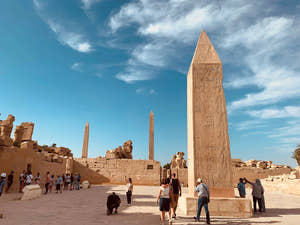
If you’re planning a trip to Luxor, Karnak Temple should be at the top of your list. Widely considered one of the most impressive ancient sites in Egypt, Karnak Temple offers an unforgettable glimpse into the grandeur of Egypt's past. Located just north of Luxor, it’s a vast complex dedicated primarily to the Theban Triad: Amun, Mut, and Khonsu. As one of the largest religious structures in the world, it was constructed over a span of 2,000 years, making it a historical gem for tourists seeking to experience Egypt’s ancient history.

Key Highlights and Historical Significance

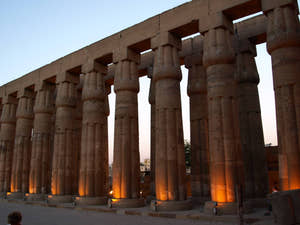
The Karnak Temple complex is divided into multiple sections, each of which holds a significant place in Egyptian history. Among its many features, the Great Hypostyle Hall stands out. With 134 massive columns, some towering 80 feet high, this hall is an awe-inspiring display of ancient engineering. Visitors can stroll through its vast corridors, marveling at the intricate carvings and the sheer scale of this ancient space.

Another highlight of Karnak is the Sacred Lake, which is both beautiful and historically significant. Used for purification rituals by priests, the lake is surrounded by statues of deities and offers a tranquil spot to reflect on the temple’s significance.

Luxor Temple: Exploring the Heart of the City

Fascinating Facts About Luxor Temple’s History and Architecture

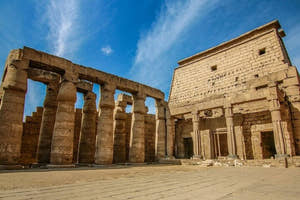
As you make your way through Luxor, the Luxor Temple is another architectural masterpiece that cannot be overlooked. This temple, dedicated to the Theban Triad, was primarily built by Amenhotep III and later expanded by Ramses II. Unlike Karnak Temple, which is located outside the city, Luxor Temple sits right in the heart of Luxor, making it easily accessible for visitors exploring the city.

Must-See Features Inside the Temple

Inside Luxor Temple, visitors can admire the large central courtyard and the beautifully decorated walls that display the reigns of powerful pharaohs. One of the most famous features inside is the sanctuary of Amun. This room, once the holiest part of the temple, contains several monuments dedicated to the god Amun and is adorned with intricate hieroglyphs and carvings that depict divine rituals.

Valley of the Kings: The Final Resting Place of Pharaohs

How to Visit the Valley of the Kings and What You’ll See

A visit to the Valley of the Kings is essential for anyone visiting Luxor. Located on the West Bank of the Nile, the Valley of the Kings is home to the tombs of many of Egypt's most famous pharaohs, including Tutankhamun, Ramesses II, and Seti I. The valley is a fascinating site where you can explore the burial grounds of Egypt’s ancient rulers and learn about the burial practices and beliefs surrounding the afterlife.

Tombs of Famous Pharaohs and Their Significance

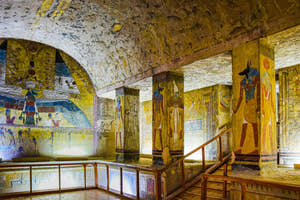
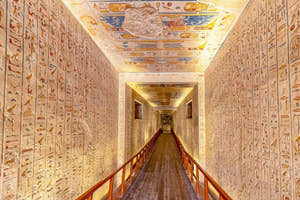
The tombs of the kings in this valley are carved deep into the limestone cliffs, with corridors leading to burial chambers decorated with stunning murals and texts from the Book of the Dead. These tombs were designed to ensure a safe journey into the afterlife for the pharaohs. Among the most significant tombs are those of Ramesses II, known for his monumental reign and military successes, and Seti I, whose tomb is famous for its beautifully preserved reliefs and hieroglyphs.

Valley of the Queens: A Peaceful Alternative

Why Visiting the Valley of the Queens Adds to the Luxor Experience

Just a short distance from the Valley of the Kings, the Valley of the Queens provides a more peaceful and serene experience. This valley, which served as the burial site for the wives and children of pharaohs, is often quieter and less crowded than the Valley of the Kings. It offers a unique perspective on the royal family’s afterlife and burial practices.

Important Tombs and Artifacts in This Site

Nefertari’s Tomb is a standout, with its intricate paintings and well-preserved colors. The tomb is considered one of the most beautiful in all of Egypt. Visitors can explore the serene atmosphere of the valley and marvel at the stunning craftsmanship of the tombs and artwork.

Colossi of Memnon: Iconic Statues on the West Bank

Visiting the Massive Statues and Their Historical Significance

On the West Bank of the Nile, the Colossi of Memnon stand as silent sentinels, guarding the entrance to the Theban Necropolis. These two massive statues, which depict Amenhotep III, are among the most iconic monuments in Luxor. The statues, each standing over 60 feet tall, have long fascinated visitors for their sheer size and historical importance.

Best Times for a Visit

The Colossi of Memnon are best visited in the early morning or late afternoon when the light illuminates the statues beautifully. Early visitors can also enjoy the tranquility of the site, away from the heat of midday.

Luxor’s West Bank and East Bank: Key Differences

Luxor’s West Bank: A Historical Richness

When you cross to the West Bank of the Nile, you enter the heart of ancient Egypt’s most significant burial grounds and temples. Known as the Theban Necropolis, this side of Luxor is home to some of the most important archaeological sites in the world, including the Valley of the Kings, the Valley of the Queens, and the Temple of Hatshepsut. The West Bank is where the ancient Egyptians buried their kings and queens, with elaborate tombs carved deep into the cliffs. These tombs, filled with beautiful wall paintings and intricate hieroglyphs, were designed to protect the pharaohs in their journey to the afterlife.

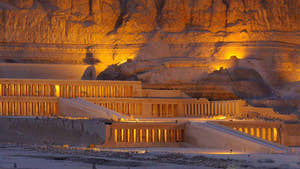
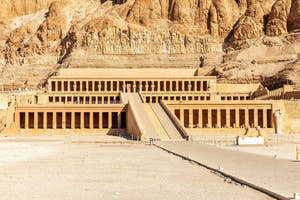
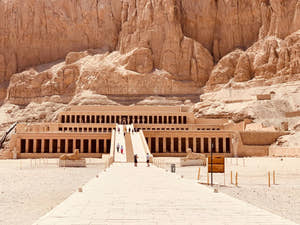
In addition to the tombs, you’ll find Hatshepsut’s Temple, one of Egypt's most striking and well-preserved monuments, which combines ancient Egyptian architecture with stunning natural surroundings. The Colossi of Memnon, two massive statues guarding the entrance to the tombs, also stand on the West Bank, providing a lasting reminder of Egypt’s grandeur.

Overview of Major Attractions on the West Bank: Thebes, Tombs, and Temples

The West Bank is essentially an open-air museum, with several remarkable sites that tell the story of Egypt’s ancient royal life. The ancient city of Thebes, located on the West Bank, was the capital of Egypt during the Middle and New Kingdom periods. It is home to some of the most important tombs and temples, including the Valley of the Kings, where the tombs of famous pharaohs like Tutankhamun and Ramses II are located.

Luxor’s East Bank: Modern and Ancient Blend

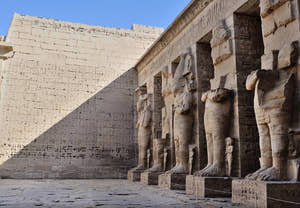
While the West Bank is the hub of ancient Egyptian burial sites, the East Bank offers a more modern and lively experience, blending ancient monuments with bustling city life. The East Bank is home to Luxor Temple, a grand religious site that sits at the center of the modern city. This temple is a testament to ancient Egypt’s grandeur, with monumental pylons, towering statues, and intricate carvings. It is also linked to the Karnak Temple on the East Bank, with the famous Avenue of Sphinxes once connecting the two.

The East Bank also includes several modern attractions, such as museums, hotels, and markets, making it a perfect place for both historical exploration and cultural immersion. Visitors can stroll through the Luxor Museum, which houses incredible artifacts from the Theban Necropolis, or shop in the Karnak Bazaar for local crafts and souvenirs.

What Makes the East Bank Unique: Luxor Temple, Museums, and Modern Attractions

The East Bank stands out not just for its ancient sites but for how it connects the ancient world with modern life. Luxor Temple, situated in the heart of the city, is an architectural wonder that dates back to Amenhotep III and Ramses II, while Karnak Temple, one of the largest religious sites in the world, provides an incredible backdrop of towering columns and majestic halls.

How to Travel Between the Two Banks of Luxor

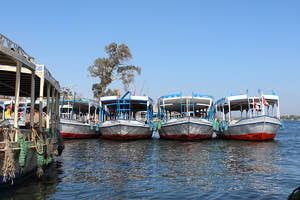
Traveling between the West Bank and East Bank is easy and efficient, with several transport options available for tourists. The Nile River serves as the natural dividing line, and boat rides are a popular way to cross. Feluccas, traditional wooden sailboats, are available for a scenic, authentic experience, while motorboats offer a faster option.

For those who prefer to stay on land, taxis and private drivers can be hired to travel between the banks, providing a comfortable and efficient way to get around. There are also guided tours that include transportation, which is especially helpful for first-time visitors looking to explore both the East and West Banks with an expert guide.

Must-Do Activities and Unique Experiences in Luxor

Nile River Cruises: A Different View of Luxor

When visiting Luxor, there’s no better way to see the city than from the Nile River itself. A Nile River cruise offers a unique perspective of Luxor’s ancient monuments and the surrounding landscapes. As the lifeblood of ancient Egypt, the Nile has always been central to Egyptian civilization, and cruising along its banks is a chance to experience its beauty and significance.

Various Types of Nile Cruises: Day Cruises, Dinner Cruises, and More

Whether you’re looking for a relaxing afternoon on the water or a memorable evening under the stars, there’s a Nile River cruise for every type of traveler. Day cruises are perfect for those who want to see Luxor’s landmarks from the water, while dinner cruises offer an enchanting way to enjoy the scenery as the sun sets over the Nile. Some cruises also offer themed experiences, such as live music, traditional dance performances, and even Egyptian folklore shows.

Why a Nile Cruise is an Essential Experience in Luxor

A Nile River cruise in Luxor is an essential experience because it allows you to view the city’s major landmarks from a different angle. The Luxor Temple, Karnak Temple, and even the Valley of the Kings are situated along the Nile, and cruising the river offers a panoramic view that simply cannot be matched from land. It’s not just a way to see the sights, but also a peaceful way to soak in the beauty of the surroundings.

Luxor Hot Air Balloon Ride: Seeing Luxor from Above

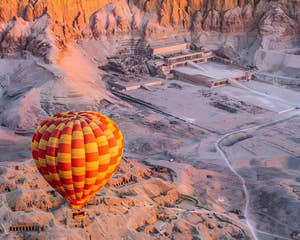
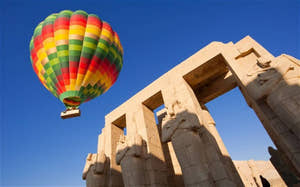
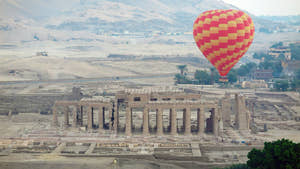
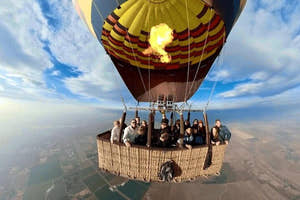
For an even more breathtaking view of Luxor, take to the skies in a hot air balloon. This experience allows you to float above Luxor’s West Bank, taking in the Valley of the Kings, Temple of Hatshepsut, and the vast desert landscape that surrounds the city.

What to Expect During a Hot Air Balloon Ride

A hot air balloon ride in Luxor typically takes place early in the morning, just as the sun begins to rise. As the balloon lifts off, you’ll glide silently above ancient tombs, temples, and the river. The panoramic views are unparalleled, and the peace of floating high above the city is something truly special. During the ride, experienced pilots will provide insights into the history of the monuments below, giving you a deeper appreciation for Luxor’s rich heritage.

Felucca Boat Ride on the Nile

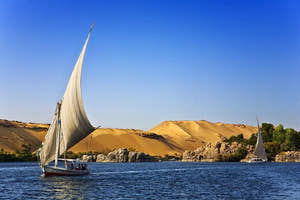
For a more tranquil and traditional experience, consider taking a Felucca boat ride on the Nile River. These wooden sailboats, with their white sails fluttering in the breeze, have been used by Egyptians for centuries and provide an authentic and relaxing way to explore the river.

Why a Felucca Ride is the Perfect Way to Relax on the Nile

A Felucca ride offers a slower-paced experience compared to the larger Nile cruises. The gentle rocking of the boat and the sound of the river as it flows by make for a peaceful journey. As you drift along the river, you’ll get to enjoy the sights of Luxor at a more relaxed pace, perfect for unwinding after a day of exploring the ancient sites.

Best Times for a Felucca Boat Experience

The best time for a Felucca boat ride is during the late afternoon or early evening. At these times, the weather is cooler, and the light from the setting sun creates a magical atmosphere. If you prefer an early morning ride, you can enjoy the peacefulness of the river before the day’s bustle begins.

Luxor Museum: A Glimpse into Egypt’s Ancient Past

Let’s dive deeper into Egypt’s fascinating history. A visit to the Luxor Museum is essential. Located on the East Bank of Luxor, this museum is home to an impressive collection of artifacts that span Egypt’s long history.

Highlights of Luxor Museum and Its Most Important Exhibits

The Luxor Museum houses a variety of exhibits, with a focus on the Theban Necropolis and the pharaohs of Luxor. Some of the museum’s highlights include:

  • The mummy of Amenhotep I: One of Egypt’s greatest pharaohs, his mummified remains are carefully displayed.
  • Statues of Thutmose III: A powerful pharaoh whose reign was marked by military expansion.
  • The Akhenaten Colossus: A statue of the controversial pharaoh who introduced monotheism to Egypt.
What to Expect When Visiting Luxor’s Modern Museum

Visiting Luxor Museum offers more than just a traditional museum experience; it’s a chance to step into Egypt’s ancient past through carefully curated exhibits. The museum is modern, air-conditioned, and well-maintained, making it a comfortable and informative experience. You’ll find clear descriptions of each artifact in both English and Arabic, giving visitors insight into their historical context.

Luxor Tours: Exploring the City with Expert Guides

Day Tours in Luxor: A Complete Experience

If you're looking to get the most out of your visit to Luxor, a day tour is the perfect way to explore the city's key sites without feeling rushed. Luxor’s historical sites, such as Karnak Temple, Luxor Temple, and the Valley of the Kings, are spread out across the city, and a well-organized day tour allows you to visit the top attractions without worrying about the logistics.

Popular Full-Day Tours Covering All Major Sites

A typical full-day tour of Luxor will cover the major attractions on both the East Bank and West Bank of the Nile. For example, the tour will usually start with a visit to Karnak Temple and Luxor Temple, where you can learn about the history and significance of these grand structures. After lunch, you'll head to the West Bank to see the Valley of the Kings, Valley of the Queens, and the Temple of Hatshepsut.

Many tours also include visits to the Colossi of Memnon and other lesser-known sites. The itinerary is carefully crafted to ensure that you see the best of Luxor in a single day.

Advantages of Guided Tours in Luxor

The benefits of joining a guided tour in Luxor are numerous:

  • Expert Knowledge: Guides are highly knowledgeable about the history, culture, and significance of Luxor’s monuments, offering insights that you wouldn’t get by visiting on your own.
  • Convenience: Everything is taken care of for you, including transportation, entry tickets, and sometimes meals, making it hassle-free.
  • Skip-the-Line Access: Many tours offer skip-the-line access to the most popular sites, allowing you to avoid long queues.
  • Time Efficiency: A well-planned tour maximizes your time in Luxor, ensuring you see the must-see sights without wasting time on logistics.

Private Tours in Luxor: Customizing Your Experience

For those who prefer a more personalized approach to their Luxor visit, private tours offer a customized experience that can be tailored to your specific interests and pace.

How Private Tours Enhance Your Luxor Experience

A private tour in Luxor allows you to explore the city at your own pace and according to your personal preferences. Whether you're interested in in-depth discussions about ancient Egyptian religion, photography opportunities, or simply avoiding crowds, a private tour gives you the flexibility to shape your day. Additionally, a private guide can take you to off-the-beaten-path sites that larger tours may overlook, giving you a more intimate experience with Luxor’s rich history.

Another advantage of private tours is the ability to ask specific questions and get more detailed answers about the history and significance of each site. Private tours often include more time at each site, giving you the opportunity to take in every detail without being rushed.

What’s Included in a Private Tour vs a Group Tour
  • Private Tour: You’ll get a dedicated guide, private transportation (often with a comfortable vehicle or even a luxury car), and a more flexible itinerary that can be tailored to your interests. Lunch and entry fees to attractions may also be included.
  • Group Tour: Group tours are more cost-effective, but the itinerary is fixed, and you will likely share your guide with a larger group. Group tours typically use larger buses for transportation, and the guide may not be able to focus as much on individual questions.

Luxor and Aswan Combo Tours: See Two Great Egyptian Cities

For travelers who want to experience the best of Upper Egypt, a Luxor and Aswan combo tour is the ideal way to see two of Egypt’s most iconic cities. Both Luxor and Aswan are steeped in history, offering a unique opportunity to explore ancient temples, tombs, and breathtaking landscapes.

The Benefits of Visiting Both Luxor and Aswan in a Combined Tour

A Luxor and Aswan combo tour allows you to experience the cultural and historical diversity of Egypt in one trip. Starting in Luxor, you can explore the Valley of the Kings, Karnak Temple, and other ancient wonders. From there, you’ll head south to Aswan, where you can visit the Philae Temple, the Unfinished Obelisk, and take a boat trip to Abu Simbel.

The advantage of this combined tour is the opportunity to compare two major Egyptian cities that were once both political and religious centers. Aswan offers a more laid-back vibe with incredible views of the Nile, while Luxor is more bustling and packed with monumental sites. Together, they provide a comprehensive experience of ancient Egyptian civilization.

What’s Included in These Two-City Tours

A typical Luxor and Aswan combo tour includes:

  • Transportation: Private transportation or a guided group tour to both cities, often by bus, train, or even a luxury Nile cruise.
  • Guided Visits: Expert-guided tours through Luxor’s temples and tombs, as well as key historical sites in Aswan like the Philae Temple and Abu Simbel.
  • Nile Cruise: Some combo tours include a relaxing Nile River cruise between Luxor and Aswan, allowing you to experience the river from a different perspective.

Nile Cruise with Luxor and Aswan Stops

One of the most relaxing ways to visit Luxor and Aswan is by taking a Nile cruise that stops at both cities along the way. These cruises typically last for a few days and offer a leisurely pace, perfect for those looking to enjoy the beauty of the Nile and its ancient wonders.

How a Nile Cruise Connects Luxor and Aswan

A Nile cruise allows you to travel between Luxor and Aswan, with stops at important historical sites along the way. The cruise itself is an experience, as you glide past lush riverbanks, ancient temples, and rural Egyptian life. Some of the major stops include Edfu Temple, Kom Ombo, and Temple of Horus, offering an excellent way to visit multiple sites in one trip.

What to See Along the Way

On a Nile cruise, you’ll have the opportunity to visit Edfu Temple, dedicated to the falcon-headed god Horus, and the Temple of Kom Ombo, which is dedicated to both Horus and Sobek, the crocodile god. These temples are beautifully preserved, and each offers unique insights into ancient Egyptian religion and culture.

Things to Do in Luxor at Night

Night Tours of Luxor Temple

Luxor Temple is undoubtedly one of the most magnificent temples in Egypt, but there’s something especially magical about experiencing it after dark. As the sun sets and the city grows quieter, the temple’s massive columns and statues become illuminated, creating a mesmerizing atmosphere that transports you back in time. The soft lighting highlights the intricate carvings and hieroglyphs, giving visitors a chance to see details that are often missed during the day.

Why Luxor Temple is a Magical Experience After Dark

At night, Luxor Temple takes on a completely different aura. The towering pylons and statues of Ramses II appear even more imposing against the night sky. As the temple is less crowded in the evening, it offers a more serene and intimate experience. You can stroll along the well-preserved Avenue of Sphinxes, which was once lined with statues connecting Karnak Temple to Luxor Temple, and enjoy the temple’s historical significance without the daytime hustle.

Best Tour Times and Experiences

The best time to take a night tour of Luxor Temple is right after sunset, when the temperature is cooler, and the temple is beautifully lit against the backdrop of the evening sky. Many tours offer night visits to Luxor Temple as part of a larger evening itinerary, combining visits to other nearby attractions like the Karnak Temple Sound and Light Show. These tours often include a guide, who will share the history and significance of the temple, making it an even richer experience. If you're looking for a quieter visit, aim to arrive just before closing time, when crowds tend to thin out.

Luxor’s Nightlife: Restaurants and Bars by the Nile

After a day of exploring Luxor’s ancient wonders, why not unwind by the Nile? Luxor has a vibrant yet laid-back nightlife scene, with a variety of restaurants, cafes, and bars offering picturesque views of the river. Whether you’re looking for a relaxed dinner or a lively spot to enjoy some drinks, Luxor’s Nile-side dining provides an unforgettable experience.

Belly Dancing Shows and Traditional Entertainment

One of the best ways to immerse yourself in Egyptian culture is by watching a belly dancing show or other traditional entertainment. These performances are an essential part of Luxor’s nightlife, offering visitors the chance to enjoy authentic Egyptian music and dance in a lively setting.

Where to Enjoy Authentic Egyptian Belly Dancing and Cultural Performances

Many of Luxor’s hotels and cultural venues host nightly belly dancing performances, where skilled dancers perform to live music. Some great places to catch these performances include:

  • Al-Sahaby Lane: A popular spot for tourists, where you can enjoy a delicious Egyptian meal while watching a traditional belly dance show.
  • Luxor Temple and Karnak Sound and Light Shows: While these shows are centered around the temples, they often feature Egyptian music and light displays that set the tone for an unforgettable evening.
  • Nile Cruise Shows: Some Nile cruise dinners feature belly dancing and Tanoura shows (a traditional Egyptian dance that involves spinning), providing entertainment as you cruise along the Nile.

Watching a belly dance performance in Luxor not only offers a glimpse into Egyptian culture but also creates an unforgettable evening that blends history, tradition, and entertainment.

 Family-Friendly Things to Do in Luxor

Visiting Luxor with Kids: Activities for the Whole Family

Luxor isn’t just for history buffs—it's also a fantastic destination for families. With a variety of engaging and educational activities, Luxor offers something for every member of the family, from young children to adults. The city’s rich historical heritage comes to life in a way that can captivate children, sparking their curiosity and imagination as they explore the ancient world.

Top Family-Friendly Attractions in Luxor

Some of the top attractions that are particularly family-friendly include:

  • Luxor Temple: Children can marvel at the massive statues and pillars while learning about the ancient gods and pharaohs.
  • The Valley of the Kings: While the tombs are a fascinating sight for adults, kids can enjoy the colorful hieroglyphs and the feeling of walking in the footsteps of the ancient Egyptians.
  • Colossi of Memnon: These towering statues are great for a family photo opportunity and provide an easy stop while exploring the West Bank.
  • Luxor Museum: The museum offers a more interactive experience, with fascinating displays that are both informative and engaging for younger visitors.

Luxor’s mix of archaeological sites and interactive experiences ensures that there’s always something to keep the whole family entertained.

How to Make Luxor Fun for Children

Making Luxor fun for kids is all about balancing education with enjoyment. Start by visiting the historical sites early in the day before the heat sets in. This allows your family to explore comfortably and learn without being overwhelmed by the crowds. Interactive activities, like scavenger hunts in the Valley of the Kings or storytelling about ancient Egypt’s myths and gods, can make the experience more relatable and fun for children. You can also incorporate fun elements like horseback riding or a relaxing Felucca boat ride on the Nile, giving the family a break from the temples while still enjoying the beauty of Luxor.

Luxor Museum for Kids

Visiting Luxor Museum is a fantastic way to introduce children to Egypt’s ancient history in a more accessible and engaging setting. Unlike other, more sprawling museums, Luxor Museum is smaller and more manageable for young children, making it an ideal spot for families to spend an afternoon.

Family-Friendly Exhibitions and Activities for Kids at Luxor Museum

Luxor Museum offers various exhibits that can spark children’s curiosity:

  • Mummies and Artifacts: The mummies on display are fascinating for kids, especially when the museum provides interactive explanations of the embalming process and the ancient Egyptians' beliefs about the afterlife.
  • Sculptures and Statues: The museum also houses statues and artifacts from famous pharaohs, like Amenhotep I, giving children a chance to see real pieces of history up close.
  • Educational Programs: Some museums in Luxor offer educational workshops designed for younger audiences, helping them connect with Egypt’s history in a fun and meaningful way.

With its hands-on exhibits and more manageable size, Luxor Museum is an excellent place to take kids for a mix of fun and learning.

Horseback Riding Around the Temples

If your family is looking for a unique way to explore Luxor’s ancient sites, horseback riding offers a fantastic alternative to traditional tours. Horseback riding tours around Luxor’s temples give families the opportunity to experience the sights in a leisurely and enjoyable way, all while soaking in the desert scenery.

Family-Friendly Horseback Riding Tours Through Luxor’s Ancient Sites

These horseback riding tours are tailored to be family-friendly, with gentle horses and professional guides ensuring that everyone—from young children to adults—feels comfortable. The tours typically take you around the Luxor Temple, Karnak Temple, and Valley of the Kings, offering a slower-paced journey through the ruins that is both peaceful and exciting.

For children, horseback riding provides a sense of adventure, giving them a chance to feel like explorers as they pass ancient temples and statues. It’s also a great way to experience the beauty of Luxor from a different perspective while giving everyone a break from walking.

Frequently Asked Questions (FAQ)

What are the must-see attractions in Luxor?

Top attractions in Luxor include Karnak Temple, Luxor Temple, the Valley of the Kings, the Valley of the Queens, and the Colossi of Memnon. These iconic sites offer a deep dive into ancient Egypt's history and architecture.

How do I get to Luxor from Cairo?

You can travel to Luxor from Cairo by plane (1 hour 15 minutes), train (9–10 hours), bus (10–12 hours), or private car (9 hours). Flights are the quickest and most convenient option.

Is Luxor safe for tourists?

Yes, Luxor is generally safe for tourists. It's well-equipped for travelers, with local authorities ensuring security. Basic precautions, like avoiding crowded areas with valuables, are recommended.

What’s the best time to visit Luxor?

The best time to visit Luxor is from October to April, when the weather is cooler. Summer months can be very hot, with temperatures often exceeding 40°C (104°F).

Can I visit Luxor in one day?

Yes, it’s possible to see major sites like Karnak Temple, Luxor Temple, and the Valley of the Kings in one day, though a longer stay is recommended for a more relaxed and comprehensive experience.