








In this blog
Dubai is famous for futuristic skyscrapers and record-breaking attractions, but the heart of the city beats in Old Dubai, where history, culture, and tradition come alive. A day in Old Dubai takes you through winding alleys, bustling souks, ancient architecture, and the calm waters of the Dubai Creek. This guide helps you plan the perfect day, covering the most authentic places to visit, what to eat, how to get around, and the cultural gems you shouldn't miss.
Whether you're a first-time traveler or someone rediscovering Dubai, Old Dubai offers a refreshing contrast to the modern metropolis.
Start Your Morning at Al Fahidi Historical Neighbourhood
Begin your day in Al Fahidi Historical Neighbourhood (also known as Al Bastakiya), one of Dubai’s oldest preserved districts. This area offers a peaceful start, with narrow lanes, shaded courtyards, and beautifully restored wind-tower houses.
For a guided experience exploring Dubai’s historic sites, consider a Classic Dubai Multilingual City Tour, which covers Al Fahidi, Dubai Creek, and more with expert commentary in multiple languages.
Experience the heart of Dubai
-
Dubai klassisk bytur
Udsalg UdsolgtNormalpris $40.00 USDNormalprisStykpris pr. -
Dubais ikoniske bytur med privat bil og tyrkisk guide
Udsalg UdsolgtNormalpris $260.00 USDNormalprisStykpris pr. -
Abu Dhabi bytur med privat bil og tyrkisk guide fra Dubai
Udsalg UdsolgtNormalpris $350.00 USDNormalprisStykpris pr.$60.00 USDUdsalgspris $350.00 USD


What to See in Al Fahidi
-
Al Fahidi Fort and Dubai Museum (currently undergoing renovation): Historically, this fort showcased Dubai’s transformation from desert settlement to global city.

-
Coffee Museum: Learn about global coffee traditions and enjoy traditional Arabic coffee.

-
Sheikh Mohammed Centre for Cultural Understanding (SMCCU): Join cultural meals, walking tours, or Q&A sessions about Emirati traditions.

-
Art galleries & craft houses: XVA Gallery and small artisan workshops add character to the area.

Visit the Dubai Museum inside Al Fahidi Fort to learn about Dubai’s history, pearling trade, and early settlements.
Enjoy a Traditional Breakfast in the Old City
A morning in Old Dubai feels incomplete without a local breakfast that blends Emirati, Arab, and South Asian flavors.
Popular Breakfast Options
-
Rangoli or Arabian Tea House: Famous for balaleet, khameer bread, and fragrant chai.

-
Local cafeterias in Al Fahidi: Offering affordable, authentic snacks like paratha with chai.

-
SMCCU Cultural Breakfast (pre-booked): A guided meal with explanations of Emirati culture.

This is the perfect moment to fuel up before diving into the livelier parts of the city.
Head to Dubai Creek: The Heart of Old Dubai
The Dubai Creek is where the city’s story began. Traders travelled here centuries ago, creating the foundation of Dubai’s pearl-diving and maritime economy.
Things to Do at Dubai Creek
- Walk along the waterfront and watch traditional dhows loading goods.
- Visit the Al Seef district, a beautiful blend of old-world charm and modern retail.
- Explore small shops selling crafts, textiles, and handmade souvenirs.
The Creek perfectly captures Old Dubai’s character, calm, historic, and full of life.

Cross the Creek on an Abra: Dubai’s Most Authentic Ride
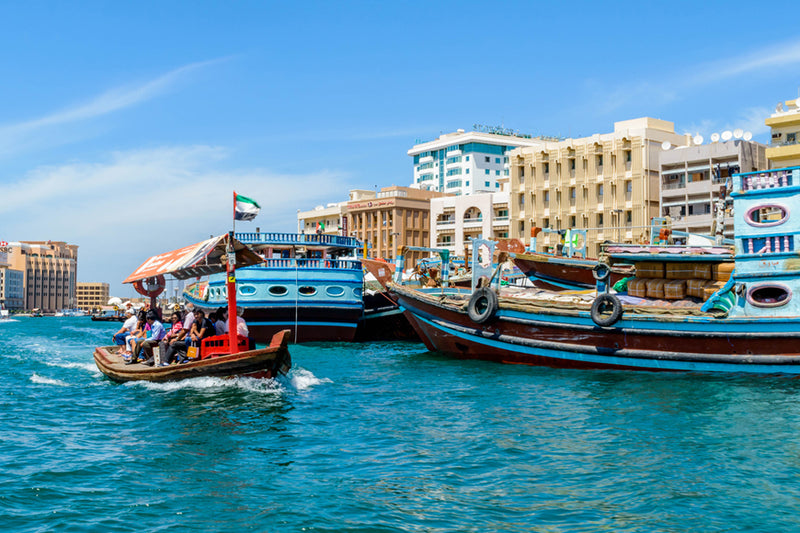
A must-do experience in Old Dubai is the abra ride. This wooden boat has been transporting locals across the Creek for decades.
Why the Abra Ride is Essential
- Costs only AED 1 for the short crossing
- Offers scenic views of the Creek
- Feels like a genuine slice of old Emirati life
- Takes you directly from Bur Dubai to Deira
For a more relaxing experience, you can also book a creek dhow cruise, but the abra ride remains the most authentic and budget-friendly choice.

Explore the Souks of Deira: Gold, Spices & Perfumes
After crossing into Deira, you enter a part of Dubai that is lively, colorful, and steeped in tradition. The streets here are filled with bustling traditional markets, or souks, where traders have been selling goods for decades. Each souk offers a unique sensory experience, from the glitter of gold to the fragrances of spices and perfumes. Visiting these markets gives you an idea of Dubai’s trading heritage and the vibrant energy of daily life in the city’s oldest commercial district.
1. Gold Souk
The Gold Souk is one of Dubai’s most iconic and world-famous attractions. Located in the heart of Deira, it is home to hundreds of jewelry shops, offering everything from simple gold chains to elaborate diamond-studded necklaces and traditional Arabian jewelry. Even if you’re not planning to buy, wandering through the glittering displays is a mesmerizing experience. Each shop has its own style, and the craftsmanship is impressive, often reflecting Emirati and Middle Eastern design traditions.
Tip: The best time to visit is in the morning when the souk is less crowded, and don’t hesitate to ask about the purity of gold or negotiate politely if you are interested in making a purchase.

2. Spice Souk
The Spice Souk is a feast for the senses. Walking through the narrow lanes, you are greeted by the warm, exotic aroma of spices stacked in burlap sacks and colorful boxes. Common spices include saffron, cinnamon, cardamom, dried roses, nutmeg, and traditional Arabic spice blends. Vendors often offer small samples, letting you smell or taste the spices while explaining their origins and traditional uses in Emirati and regional cuisine.
Tip: Carry cash, as many vendors prefer small notes, and don’t be afraid to ask questions, it’s part of the cultural experience. Spending a little time here helps you understand the importance of spices in Dubai’s historical trade economy.

3. Perfume Souk
The Perfume Souk is a haven for fragrance lovers. Here, you can find a wide range of oud, mukhallat blends, bakhoor, and other traditional Arabic perfumes, often made in small batches and customized on the spot. Many shops offer the chance to create your own fragrance or blend scents according to personal preference. The aroma is rich and varied, from floral and woody notes to intense musky fragrances.
Tip: Take your time to explore, ask vendors about the history of each scent, and consider buying a small vial as a unique souvenir. Perfumes from the souk can be surprisingly affordable compared to luxury malls, yet maintain authentic quality.

How to Navigate Deira Souks
The souks can feel overwhelming due to their bustling atmosphere, but a few simple tips can enhance your visit:
- Bargain respectfully: Negotiation is expected, but keep it friendly and polite.
- Carry cash: Small purchases are easier with cash, and some shops do not accept cards.
- Dress comfortably: Breathable clothing and comfortable shoes are essential as the streets can get crowded and walking-intensive.
- Stay hydrated: Especially during warmer months, carry water to avoid dehydration.
- Take your time: Explore side streets and smaller shops, as some hidden gems may not be immediately visible.
Visit the Heritage House and Al Ahmadiya School
After exploring the lively souks, take a short walk to two of Dubai’s oldest landmarks that offer a glimpse into the city’s pre-oil history. These sites provide a deeper understanding of the daily lives, education, and social structures of early Dubai residents, allowing visitors to step back in time.
Heritage House
The Heritage House is a beautifully preserved traditional courtyard home that showcases how families lived in early Dubai. Built with coral stone, gypsum, and palm fronds, the house reflects the architectural ingenuity used to stay cool in the desert climate. Inside, you’ll find original furniture, household tools, and decorative elements that tell stories of family life, hospitality, and local customs from over a century ago. Visitors can wander through the airy courtyards and shaded rooms, gaining insight into how families organized their homes around shared spaces and social rituals.
Tip: Spend 30–45 minutes exploring the house, and take your time to notice the intricate wooden doors, wind towers, and traditional storage spaces that reflect Dubai’s cultural heritage.

Al Ahmadiya School
Just a short walk away is Al Ahmadiya School, Dubai’s first official school, established in 1912. Originally serving the city’s children, the school operated in a single-room building with a small courtyard. Today, it has been converted into a museum, preserving its historic charm and educational significance. Visitors can explore the old classrooms, wooden benches, and teaching materials used over a century ago, giving a clear picture of how education was conducted in early Dubai. The school also highlights the importance the community placed on literacy and learning, even before the discovery of oil transformed the city.
Tip: The school is free to visit, and spending about 20–30 minutes here allows you to appreciate its historical context. Guides or informational plaques provide additional background about Dubai’s early education system.

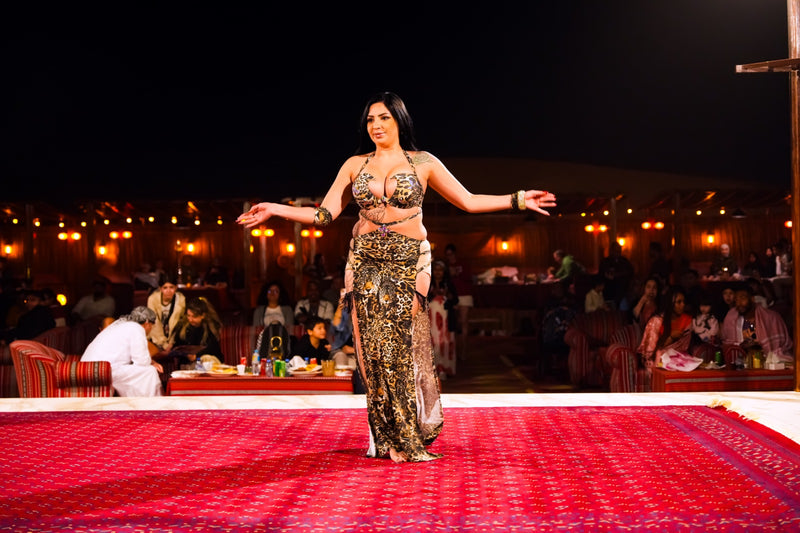
For a more immersive experience combining heritage and desert adventures, explore Dubai Heritage & Desert Safari Tours, which include traditional meals, camel rides, and cultural activities
Adventure and culture under desert skies
-
Dubai klassisk ørkensafari i røde sanddyner, liveshows og grillmiddag
Udsalg UdsolgtNormalpris $45.00 USDNormalprisStykpris pr.$50.00 USDUdsalgspris $45.00 USD -
Dubai Premium ørkensafari, dune bashing, mavedans og grillmiddag
Udsalg UdsolgtNormalpris $75.00 USDNormalprisStykpris pr. -
Dubai aftensafari i en vintage Land Rover
Udsalg UdsolgtNormalpris $200.00 USDNormalprisStykpris pr.


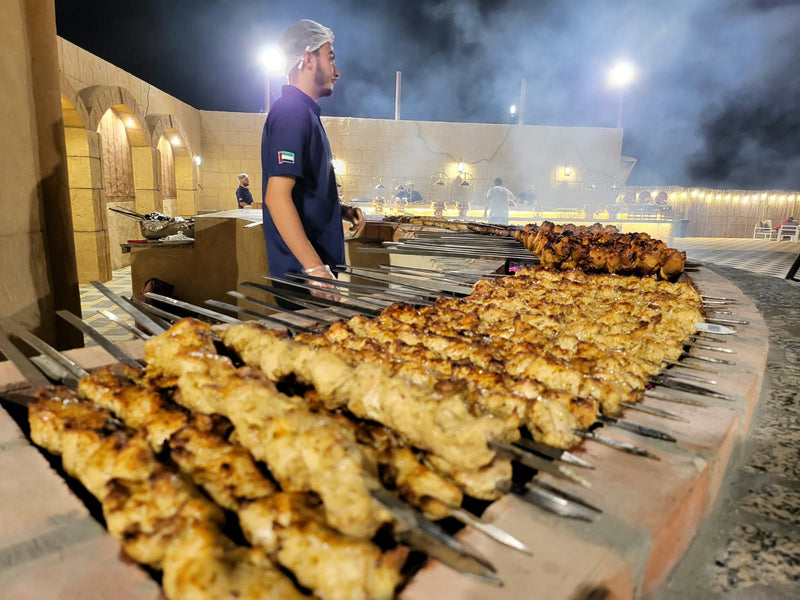

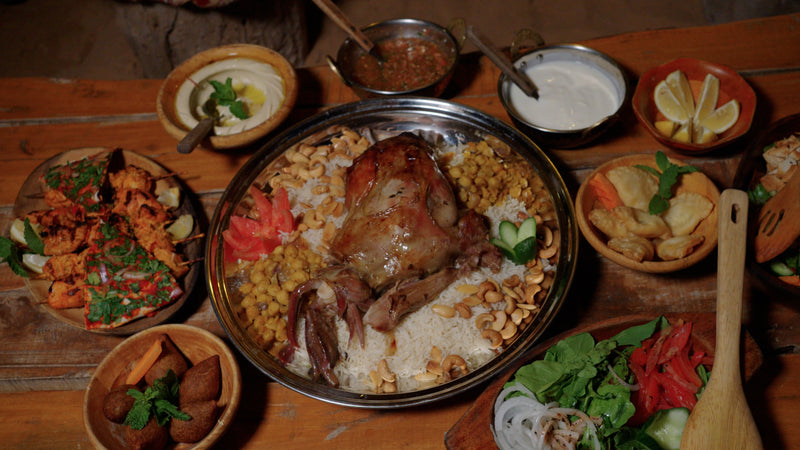
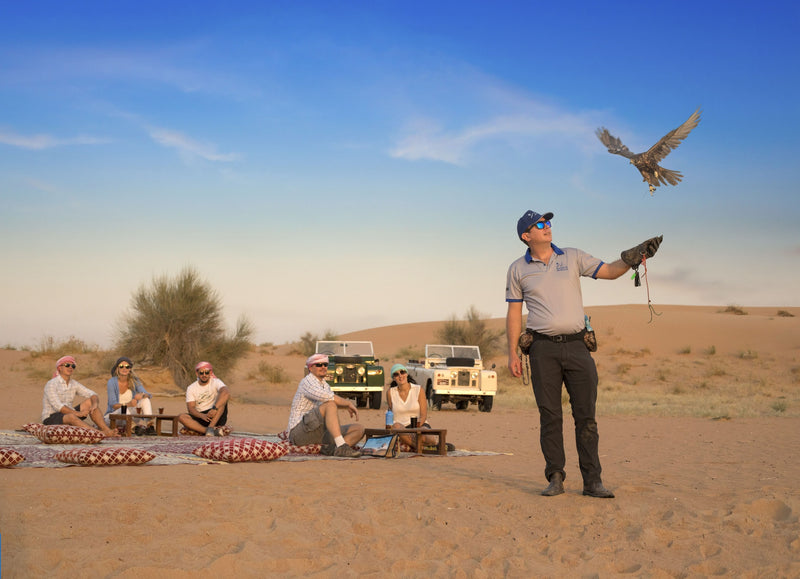
Lunch Break: Traditional Emirati or Arab Cuisine
Old Dubai has no shortage of food options. Depending on your interest, choose from:
Top Lunch Choices
- Al Bait Al Qadeem: Authentic Emirati and Arab dishes
- Aseelah at Radisson Blu: Modern Emirati cuisine with a twist
- Local cafeterias in Deira: Affordable shawarma, grills, and biryani
Signature dishes to try:
- Machboos
- Harees
- Grilled kebabs
- Luqaimat (sweet dumplings)

Spend the Afternoon at Al Shindagha Museum
Al Shindagha is one of Dubai’s most culturally rich areas. The Al Shindagha Museum has been beautifully redeveloped into a world-class heritage district.
What to See
- Perfume House: Learn about the region’s fragrance traditions.
- Life in Dubai Gallery: Explore how people lived decades ago.
- Traditional houses and old courtyards restored to their original look.
This museum complex is one of Old Dubai’s best examples of how heritage and modern storytelling blend together.

Walk Through Al Seef at Sunset
As the day cools down, head back toward Al Seef, a waterfront promenade that blends old architecture with modern shops and cafés.
Why Al Seef is Perfect for Evenings
- Beautiful stone and wooden buildings
- Creek-side restaurants
- Boutique stores
- Peaceful walking paths
- Great sunset photography spots
This is a relaxing place to unwind after a cultural day.

Dinner by the Creek
Enjoy dinner with views of the water and passing dhows. Some great options include:
- Skafos – Creekside Mediterranean restaurant
- Al Fanar Restaurant – Emirati cuisine in heritage-style décor
- Arabian Tea House (Al Seef) – Traditional dishes in a beautiful courtyard

Final Thoughts
A day in Old Dubai offers a refreshing journey into the city's origins, traditions, and everyday life. From peaceful alleys in Al Fahidi to the vibrant souks of Deira, every corner feels rich with stories that shaped the Dubai we know today. You’ll find history preserved in museums, culture expressed through food, and authenticity reflected in the people and the Creek’s timeless activity.
Whether you’re riding an abra, sipping Arabic coffee, or browsing the spice souk, this part of Dubai gives you a rare connection to its heritage. With the right route and pace, one day in Old Dubai becomes a meaningful cultural experience that adds depth and charm to any Dubai trip.


