


В этом блоге
Fethiye is one of those places that is hard to pin down with a single description. It is a beach destination, an ancient city, a sailing hub, a paragliding capital, a ghost town, a hiking gateway, and a harbour full of fresh seafood, all in the same corner of the Turkish coast. That breadth is precisely what makes it famous, and precisely what keeps visitors coming back.
So what is Fethiye best known for? The short answer is: Oludeniz and the Blue Lagoon, the ancient Lycian rock tombs, world-class paragliding off Babadag Mountain, gulet sailing on the Turquoise Coast, and one of the most atmospheric fish markets in Turkey. But each of those things has enough depth to deserve its own explanation, and there is considerably more beyond the headline list.

This guide covers everything Fethiye is famous for: its natural landmarks, historical sites, outdoor adventures, food culture, and the surrounding area that rounds out one of the most varied destinations on the Turkish Riviera. If you are already planning a visit, Tripventura's Fethiye collection is a good place to start putting your activity itinerary together.
Things to Do in Fethiye
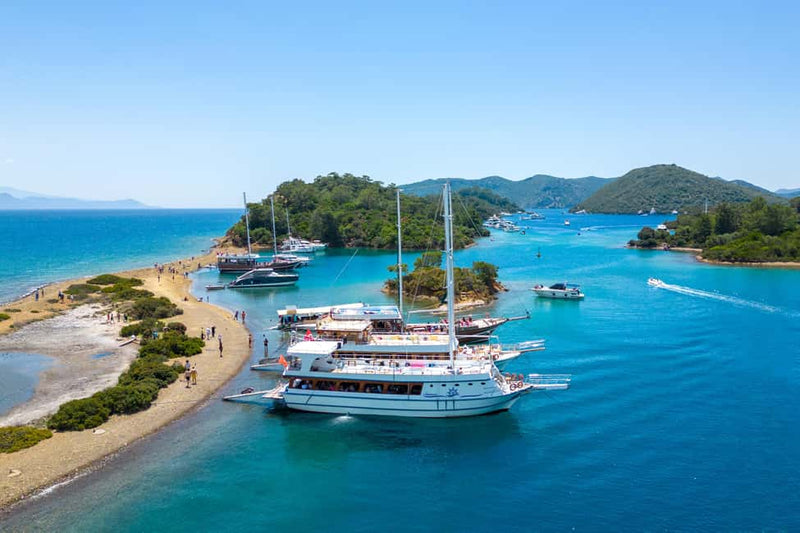
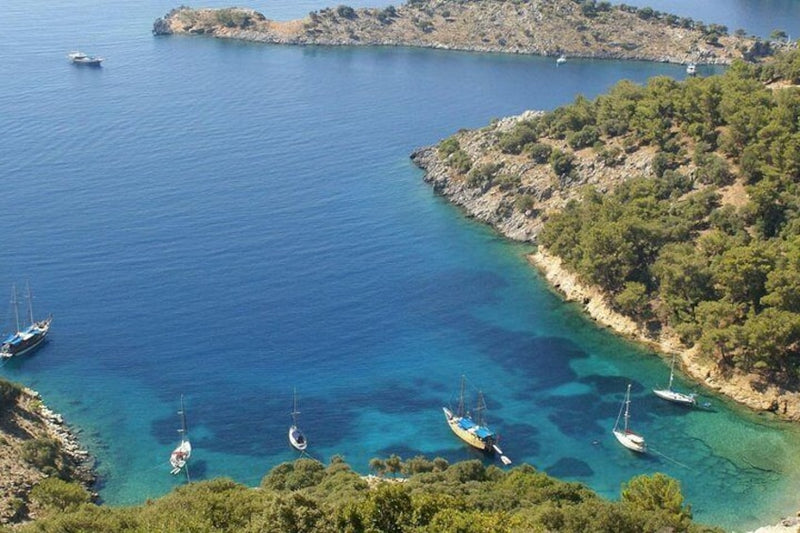

Лодочная экскурсия по 12 островам Фетхие
Распродажа
Продано
Обычная цена
$43.00 USD
Обычная цена
Цена за единицу
за
Цена со скидкой
$43.00 USD
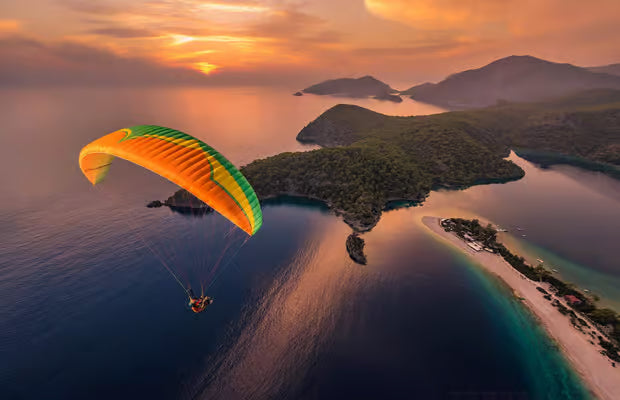
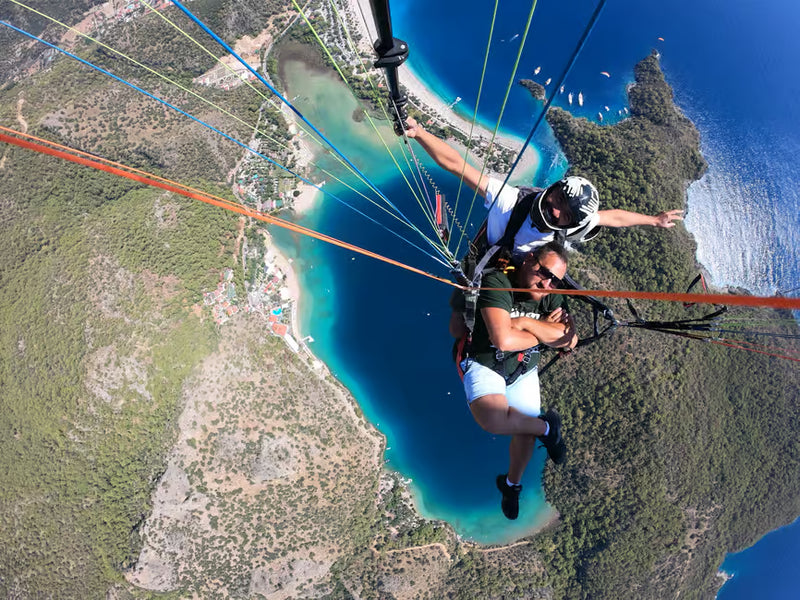

Параглайдинг в Фетхие
Распродажа
Продано
Обычная цена
$145.00 USD
Обычная цена
Цена за единицу
за
Цена со скидкой
$145.00 USD
Экскурсия в национальный парк Фетхие-Сакликент
Распродажа
Продано
Обычная цена
$45.00 USD
Обычная цена
Цена за единицу
за
Цена со скидкой
$45.00 USD
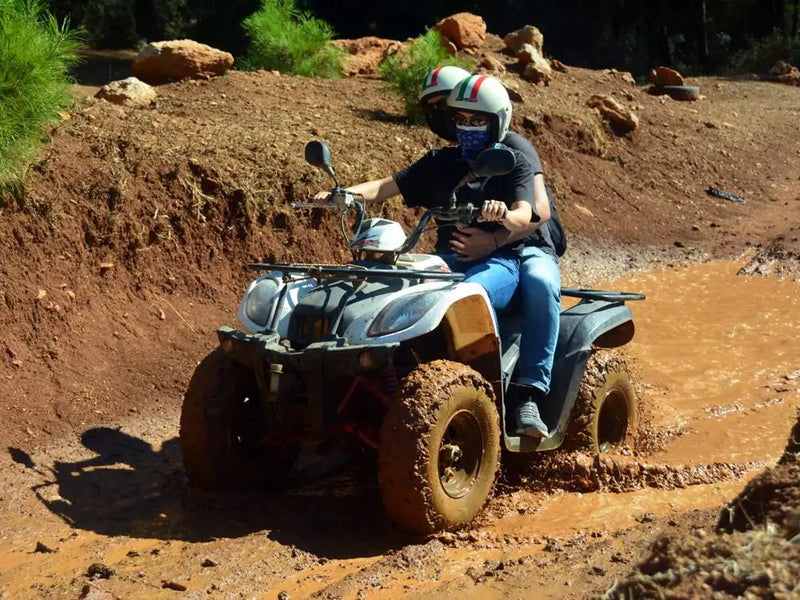
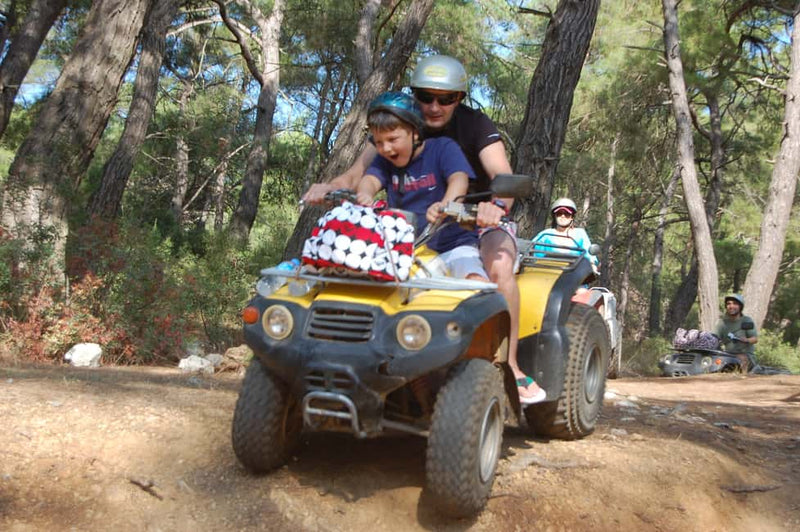
Фетхие Квад Сафари
Распродажа
Продано
Обычная цена
$45.00 USD
Обычная цена
Цена за единицу
за
Цена со скидкой
$45.00 USD
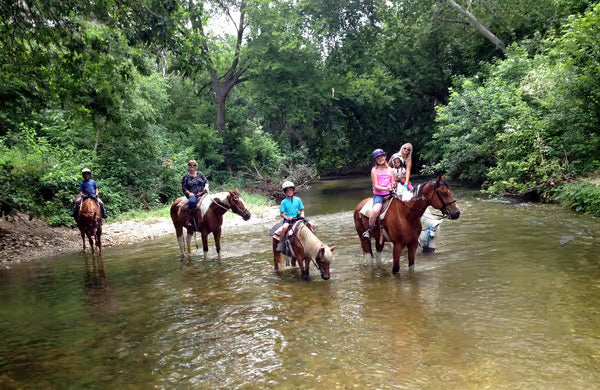
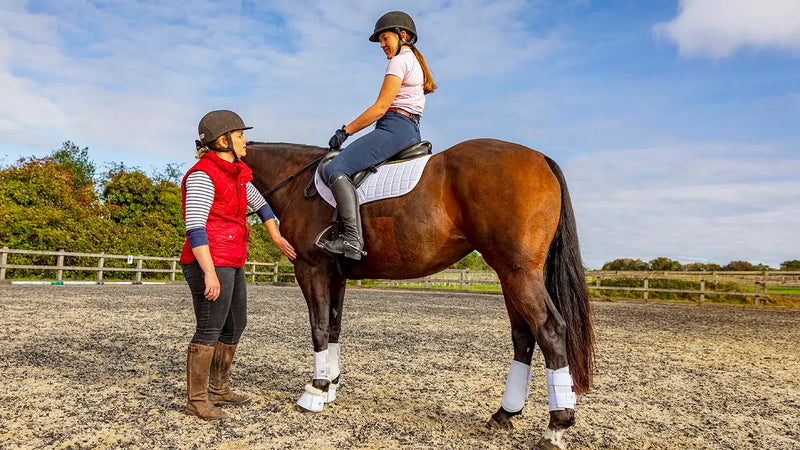
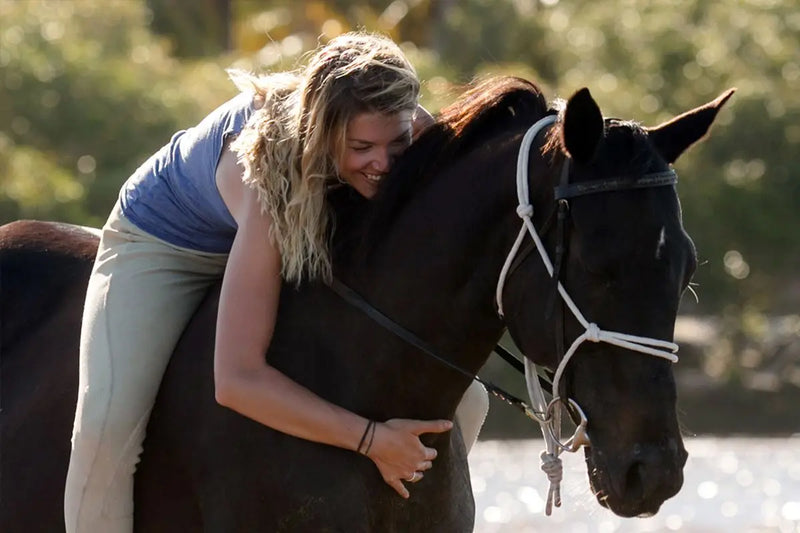
Опыт верховой езды в Фетхие
Распродажа
Продано
Обычная цена
$42.00 USD
Обычная цена
Цена за единицу
за
Цена со скидкой
$42.00 USD
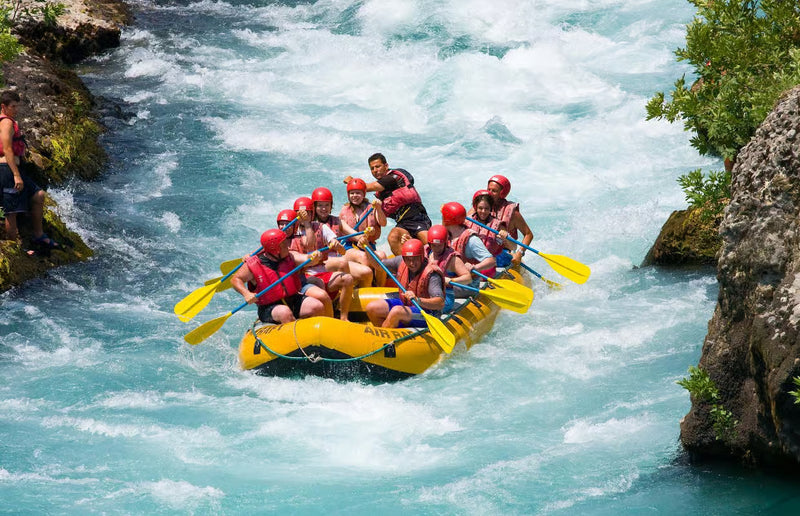
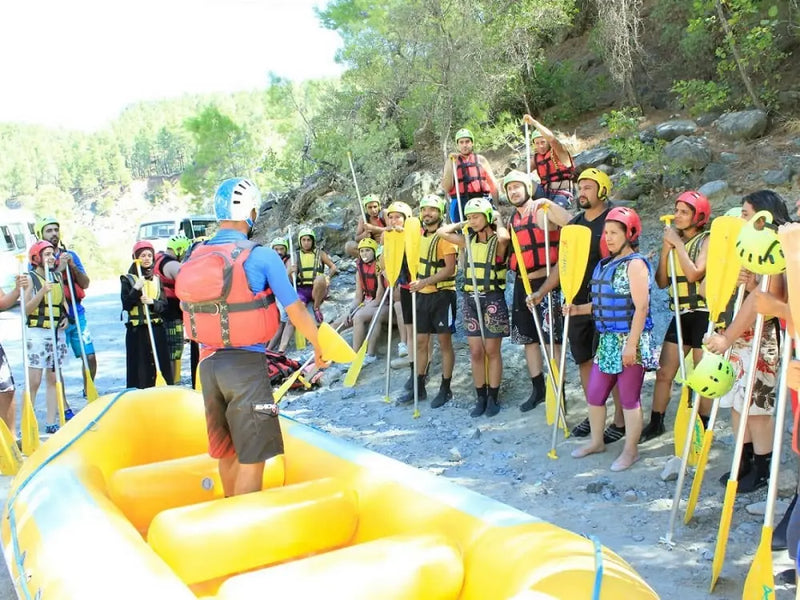
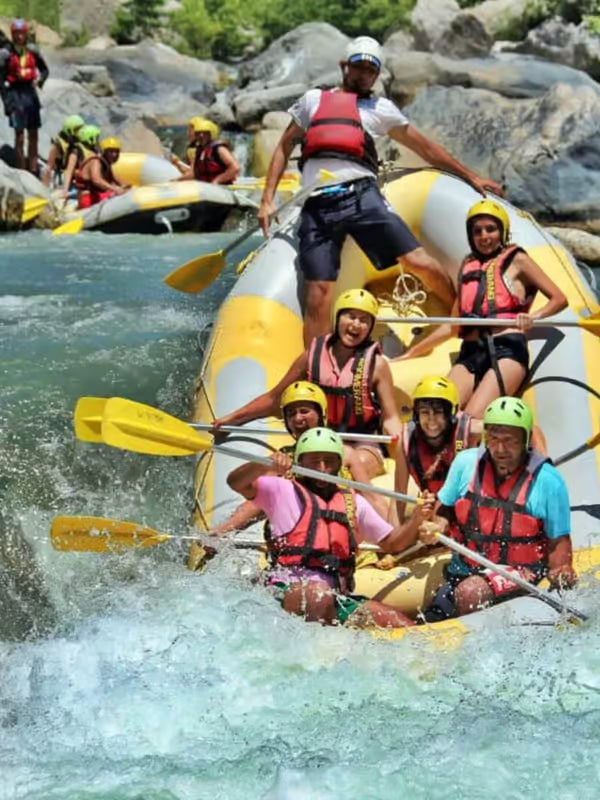
Рафтинг-тур по реке Фетхие
Распродажа
Продано
Обычная цена
$70.00 USD
Обычная цена
Цена за единицу
за
Цена со скидкой
$70.00 USD
The Blue Lagoon and Oludeniz Beach
If Fethiye is famous for one single thing above all others, it is Oludeniz and its Blue Lagoon. Located just a short dolmus ride from the town centre, Oludeniz's Blue Lagoon is one of the most photographed beaches in the whole of Turkey, and its calm waters are ideal for families.
The lagoon is a protected national park, and the combination of a sandy beach spit, calm turquoise water, and forested mountain backdrop creates a scene that genuinely looks like a postcard from every angle. Among the most popular beaches in the region are Oludeniz and Belcegiz Beach, Kumburnu Public Beach, and Calis Beach, alongside more secluded spots like Kabak Beach, Kidrak, and Gemiler Beach.

As of 2025, the Fethiye region has 14 Blue Flag beaches, an international certification awarded for cleanliness, water quality, safety, and environmental management, which gives some indication of the consistent quality across the area.
Oludeniz itself is also a thriving resort with restaurants, cafes, bars, and water sports operators along the beach. The more adventurous activities available here, particularly paragliding, are discussed below.
Paragliding Off Babadag Mountain
Fethiye is one of the most famous paragliding destinations in the world, and the launch point is Babadag Mountain directly above Oludeniz. Oludeniz is one of the world's best spots for paragliding. People from all over the world flock to Babadag Mountain to glide over the stunning landscapes and take in one of the most breathtaking views you are likely to ever see.

Tandem flights with an experienced instructor are the standard option for most visitors, requiring no prior experience whatsoever. The flight takes off from the mountain at around 1,960 metres and lands on the beach below, with a glide time of roughly 25 to 45 minutes depending on conditions and how much the pilot chooses to show off. The aerial perspective over the Blue Lagoon and the surrounding bays is, by almost universal agreement among those who have done it, one of the most memorable experiences available anywhere on the Turkish coast.
Babadag Mountain also offers a scenic cable car experience for those who want the views without the leap off the cliff edge, which is a perfectly respectable alternative.
The Lycian Rock Tombs
One of the most distinctive and recognisable sights in Fethiye is the ancient Lycian rock tombs carved directly into the cliff face above the town. Chiselled into the flattened sides of a craggy mountain, the Amyntas Rock Tombs overlook the city of Fethiye. Once at the centre of the ancient city of Telmessos, they are one of the few remaining symbols from former Lycia.
The Tomb of Amyntas is arguably the most famous of the town's historical sites. It dates to the 4th century BC and its facade closely resembles a classical Greek temple, carved in extraordinary detail directly into the living rock. Dating from the Lycian empire, this is where they buried royal members for easy access to the afterlife.

There is almost no way to visit the city centre without laying eyes on these fascinating structures. They are visible from across the harbour and from much of the town, and climbing up to them in the late afternoon rewards visitors with spectacular views over Fethiye Bay as the light turns golden.
Beyond the Amyntas Tomb, there are smaller tombs scattered across the hillside and others accessible in the surrounding area. The Fethiye Museum, housed in the town, contains a strong collection of Lycian and later artefacts providing historical context for the sites.
Kayakoy: The Ghost Village
A short drive from Fethiye town sits one of the most haunting and atmospheric sites on the Turkish coast. Kayakoy, also known as the Ghost Village, is an abandoned Greek village located a short drive from Fethiye. The village was deserted in the 1920s following the Greek-Turkish population exchange. Today, visitors can explore the ruins of old houses, churches, and schools, providing a haunting yet fascinating glimpse into the past.
Kayakoy has many ruins in its abandoned village, left as a result of the population exchange between Turkey and Greece in 1923. Formerly ancient Karmylassos, today, Kaya is all about beautiful countryside, Turkish village life, and a sad reminder of the past.

Walking through Kayakoy is a genuinely affecting experience. Hundreds of stone houses climb the hillside in varying states of preservation, the Greek Orthodox churches still standing at their centres. It is an important historical site and one of the more unusual things Fethiye is famous for. Kayakoy is also a popular spot for hiking, with trails leading through the hills to secluded beaches below.
Saklıkent Gorge
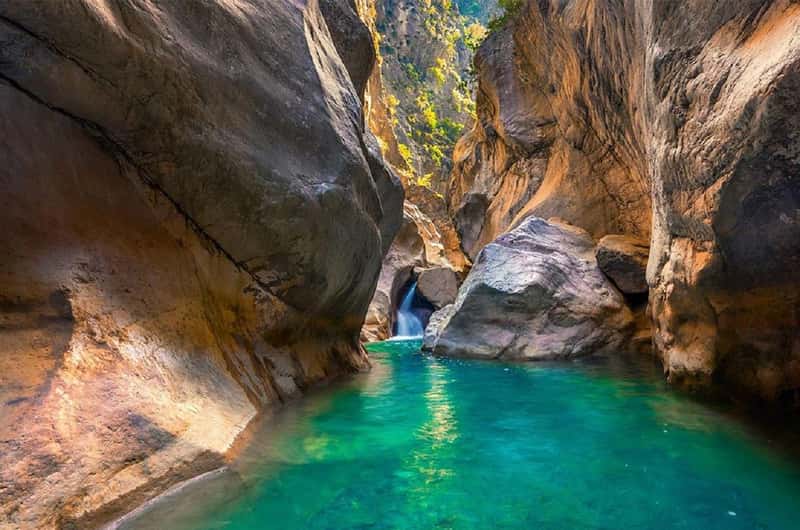
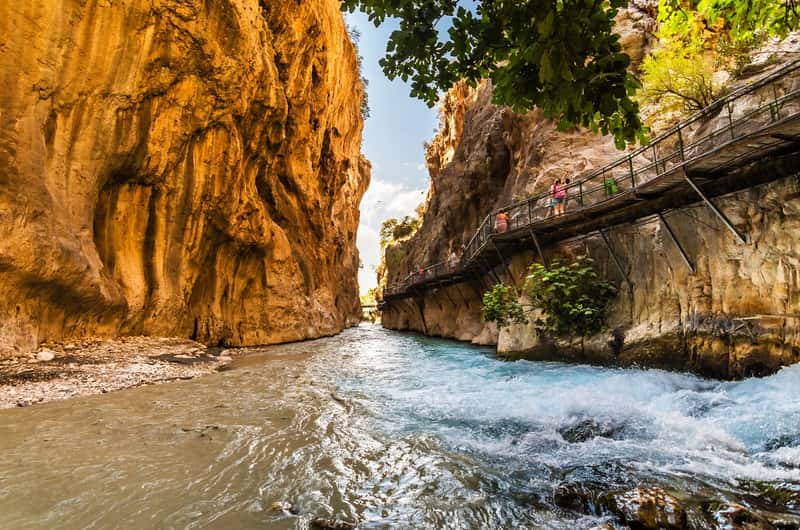
Saklıkent Gorge is one of Turkey's deepest canyons and a popular destination for outdoor enthusiasts. The gorge stretches for over 18 kilometres and is known for its dramatic rock formations and cool, refreshing waters.
The canyon itself is very deep and offers some much-needed shade from the intense sun. It is also said to be the third longest canyon in the whole of Europe. Visitors wade through cold mountain water along the canyon floor, in places squeezing between towering walls of rock. The contrast between the heat outside and the cold rushing water inside is one of the most refreshing experiences available in the Fethiye region.

Saklıkent is typically combined with a visit to the nearby ancient ruins of Tlos and a stop at Yakapark, a riverside restaurant where trout are fished directly from the stream below the terrace. It makes for one of the most varied half-days you can spend anywhere on the Turkish Riviera.
Gulet Sailing and the Twelve Islands Tour
Fethiye sits on the Mediterranean coastline and is a central sailing hub of the Turquoise Coast, a sailors' playground for international yachts from around the world.
The town's marina is one of the largest and best-equipped on the Turkish coast, and gulet charters, both day trips and multi-day blue cruises, depart from here regularly. The famous Twelve Islands boat tour visits a series of bays, islands, and coves in the Gulf of Fethiye, with swimming stops in clear water and visits to sites including Gemiler Island, which boasts ruined Christian churches.

For those with more time, the Blue Cruise from Fethiye to Olympos or Marmaris is one of the classic Turkish travel experiences, combining swimming in remote bays, fresh seafood on deck, and nights anchored in locations inaccessible by road. Fethiye's position at the western end of the Turquoise Coast makes it the natural starting point for this journey.
The Fethiye Fish Market
The Fethiye Fish Market is an authentic, social dining experience near the Old Town. The arrangement works differently from most restaurant experiences: you visit the market stalls, choose your fish and seafood from the fresh daily catch, and take it to one of the surrounding restaurants who cook it for you. You pay for the cooking and the meze, bread, and drinks; the fish is priced separately per kilo at the market stalls.

It is one of the most genuinely local dining experiences in the region and one of the things visitors most frequently mention when asked what made Fethiye memorable. The surrounding restaurants spill out onto the street in the evening with shared tables and a lively atmosphere.
Paspatur Old Town
Strolling around shaded Paspatur, the old town of Fethiye, is a great way to escape the intense summer heat. The historic alleyways and streets offer everything from traditional Turkish carpets, leather goods and ceramics to jewellery, watches, and sunglasses alongside dried herbs, spices, and lokum (Turkish Delight).
Many shops are a souvenir destination, and there are bars that make great watering holes both day and night. The ancient amphitheatre sits within walking distance of the old town, adding historical texture to what is already one of the more atmospheric parts of the town.

The Tuesday market is the most famous regular event in Fethiye. Fethiye Market sets up stalls every Tuesday and Friday to sell various products including fresh fruits and vegetables, spices, herbs, clothing, shoes, textiles, and household items. It is an excellent place to shop for local produce and experience market life. For those staying in Hisaronu, the Monday market offers a similar experience closer to that neighbourhood.
The Lycian Way
The Lycian Way is a UNESCO World Heritage Site. Nobody expects you to walk all of it; it is 760 kilometres long and goes all the way to Antalya. But you can walk some of this historic path and explore ancient Lycian ruins and remarkable views along the way.
The trek takes in many scattered ancient cities and archaeological sites across the Lycia region, a civilisation known for its forward-thinking and democratic principles. Fethiye is the starting point of the Lycian Way, and even a half-day walk on the opening section near Ovacik or Kayakoy gives an immediate sense of the landscape and the quality of the trail.

Spring and autumn are the best seasons for longer sections of the walk. Summer heat makes extended hiking genuinely demanding, and most experienced walkers plan Lycian Way sections for April, May, October, or November.
Butterfly Valley
Nestled between two mountains, Butterfly Valley is a secluded and idyllic location all about being at one with nature. You can walk to the back of the valley to see small waterfalls, or go snorkelling in the crystal blue sea. Getting there is easy by water taxi from Oludeniz beach or on a daily boat trip.

Named after the Jersey tiger butterfly that congregates in the valley in large numbers during late summer, Butterfly Valley is one of the most unspoiled spots in the Fethiye area. Access is by boat or via a steep path from above, which limits visitor numbers and keeps the atmosphere genuinely remote. It is also a popular overnight stop on gulet itineraries.
The Ancient City of Telmessos
Modern Fethiye is built directly on the site of the ancient city of Telmessos, and the remains of that city are visible throughout the town. The Fethiye Museum, which is rich in ancient and more recent artefacts, displays and testifies to the successive chain of civilisations that existed in the area, starting with the ancient Lycians.
In the 15th century, with the help of the Genoese, the Knights of St John built the Crusader Fortress of Fethiye, which remains visible today. The Hellenistic theatre by the main quay dates to the same ancient era as the rock tombs and is still visible in the town centre.
 For those interested in deepening their understanding of the region's history, Fethiye acts as a useful base for day trips to some of the most significant ancient sites in Turkey. The region offers day tours to destinations like Saklıkent National Park, Tlos ancient ruins, and Yakapark, as well as a twelve-island boat tour visiting sites including Gemiler Island.
Calis Beach and Spectacular Sunsets
Whatever your views on Calis Beach, there is no denying that this part of southwest Turkey is one of the best places to catch some of the most beautiful sunsets in the world.

Calis Beach is the main town beach for Fethiye itself, a long stretch of pebble and sand with a promenade lined by restaurants and cafes. It earns particular fame among repeat visitors for its sunsets over the offshore islands, which on clear evenings produce colours that seem implausible. The promenade along Calis Beach is lined with lively bars and restaurants that are calm by day and best for family-friendly evenings, with regular buses running into Fethiye town centre.
Ready to explore Fethiye for yourself? Browse the best tours and activities in Fethiye and start building your itinerary.
FAQ
What is Fethiye famous for?
Fethiye is most famous for the Blue Lagoon at Oludeniz, tandem paragliding off Babadag Mountain, the ancient Lycian rock tombs, the ghost village of Kayakoy, Saklıkent Gorge, gulet sailing on the Turquoise Coast, and the Fethiye Fish Market. It is also the starting point of the Lycian Way.
What is Fethiye best known for among tourists?
The Blue Lagoon at Oludeniz and the paragliding experience above it are the two most iconic things Fethiye is associated with internationally. The rock tombs of Amyntas above the town and the ghost village of Kayakoy are the two most visited historical sites.
Why is Fethiye famous with British tourists?
Fethiye has had a strong British tourist and expat presence for several decades, partly because of direct flight connections from major UK airports to Dalaman and partly because the combination of beaches, history, and relatively affordable prices suited British holiday preferences very well. Areas like Hisaronu, Ovacik, and Calis have particularly strong British communities.
Is Fethiye worth visiting?
Yes, very much so. It offers one of the broadest ranges of experiences of any destination on the Turkish coast, from ancient ruins and a ghost town to world-class paragliding, sailing, and some of the most beautiful beaches in Turkey. It suits couples, families, history enthusiasts, and adventure seekers equally well.
What is the best time to visit Fethiye?
Spring from April to June and early autumn in September and October are the most consistently recommended times. The weather is warm but not overwhelming, the sea is swimmable, crowds are thinner, and hiking conditions on the Lycian Way are ideal. July and August are the hottest and busiest months, best for those who prioritise beach time and do not mind the summer crowd.
How far is Fethiye from Dalaman Airport?
Fethiye is approximately a one-hour drive from Dalaman Airport. Transfer services and taxis connect the airport to the town directly, and the journey is straightforward.


