


In this blog
Covering more than two-thirds of the country, the united arab emirates desert is one of the most amazing wilderness areas on Earth. It stretches over about 55,000 square kilometers of the arabian peninsula. The UAE's total area is approximately 83,600 square kilometers, providing a sense of its geographic scope. The UAE is located in the Middle East region and shares borders with the Gulf of Oman and the Persian Gulf, lying between 22°50′ and 26° north latitude and between 51° and 56°25′ east longitude. This large area is part of the bigger arabian desert system, showing a variety of landscapes from tall sand dunes and wide sandy plains to rocky mountains, salty coastal flats, and green oases scattered across the land. The region is known for its unique characteristics and cultural significance within the Arabian Peninsula.
To truly experience the magic of the UAE desert, joining a Dubai Desert Safari is a must. From exciting dune bashing to serene sunset views and traditional Bedouin experiences, these safaris let you immerse yourself in the desert like never before. Whether you’re seeking adventure or a cultural journey, Dubai’s desert tours offer something unforgettable for everyone.
Unforgettable Dubai Desert Safaris
-
Dubai Desert Safari Red Dune Bashing, Live shows & BBQ Dinner
Sale Sold outRegular price $45.00 USDRegular priceUnit price per$50.00 USDSale price $45.00 USD -
Dubai Premium Desert Safari, Dune Bashing, Belly Dance & BBQ Dinner
Sale Sold outRegular price $75.00 USDRegular priceUnit price per -
Dubai Evening Heritage Safari By Vintage Land Rover
Sale Sold outRegular price $200.00 USDRegular priceUnit price per -
Dubai 30 Mins Single Seater Quad Bike Desert Safari
Sale Sold outRegular price $80.00 USDRegular priceUnit price per$132.00 USDSale price $80.00 USD



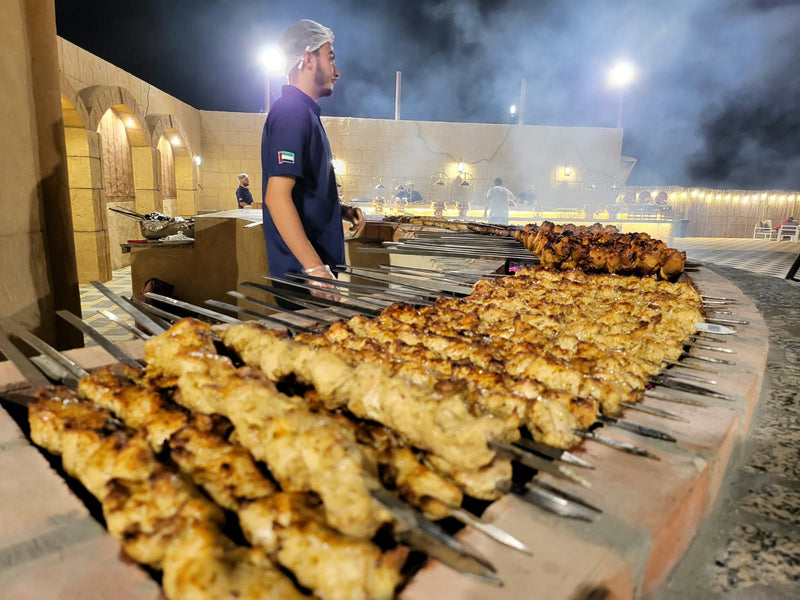
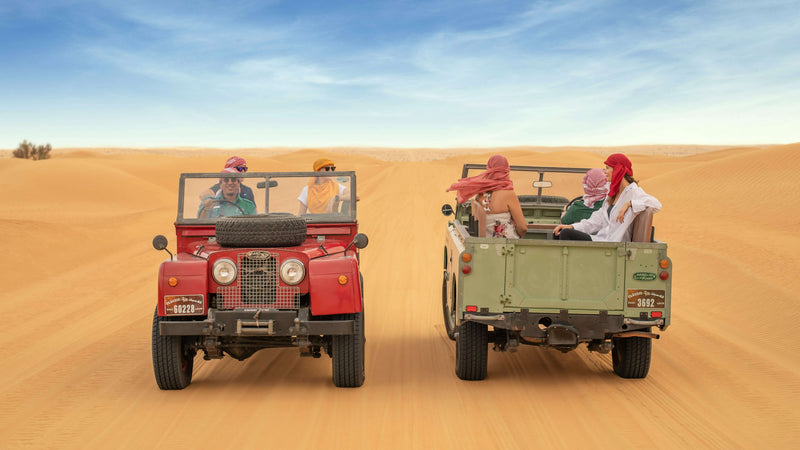

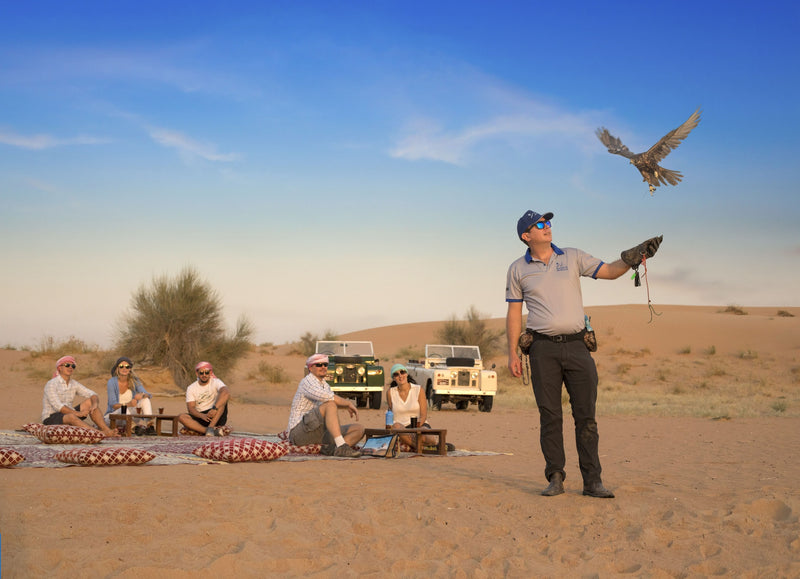

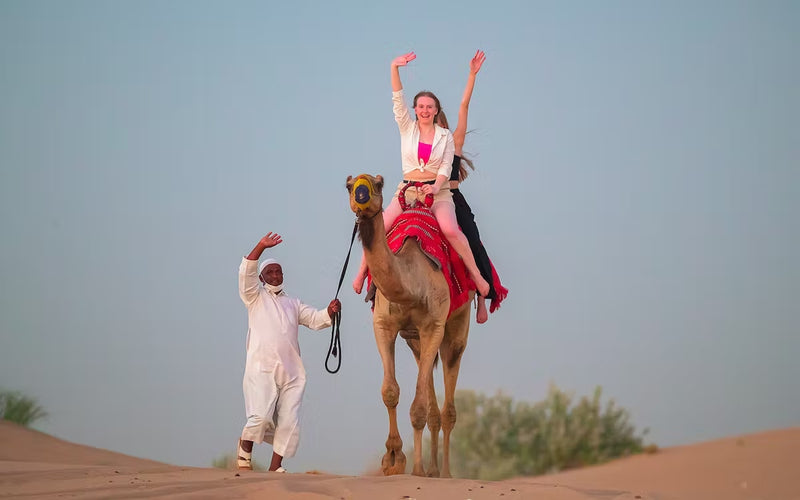
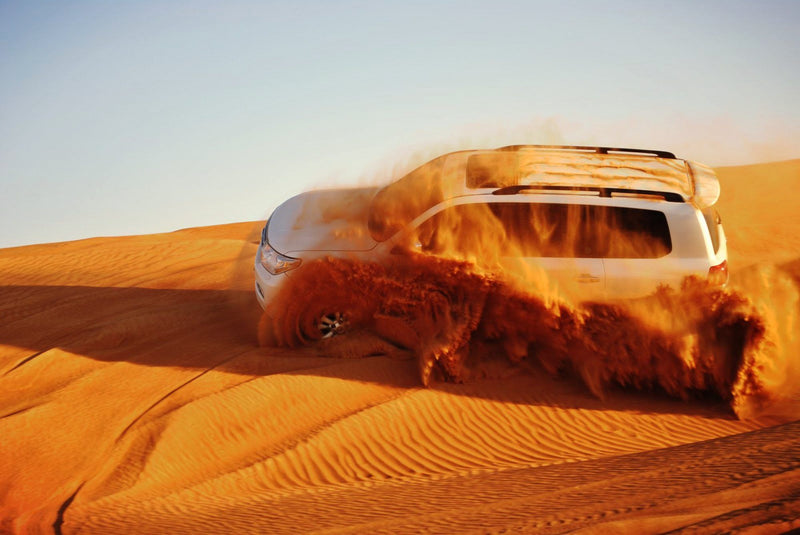
The UAE deserts cover all seven emirates - abu dhabi, dubai, sharjah, ajman, fujairah, ras al khaimah, and umm al quwain - making a mix of desert environments that have shaped the culture, economy, and natural history of this special country. The desert is the biggest part of the UAE and has the strongest influence on its cultural history. The harsh desert environment has also played a key role in shaping the population distribution and demographic makeup of the UAE. The UAE's borders include Qatar in the northwest and Saudi Arabia in the west, as well as Oman to the southeast. Its proximity to the Persian Gulf also brings it close to Iran, whose historical influence and regional presence have shaped the area's geopolitics. From the famous rub al khali to the UAE's best dunes near big cities, these desert places offer many experiences from wild adventures to easy cultural visits. The desert extends into the Oman desert, connecting the UAE's southern and southeastern regions with vast sand dunes and oasis areas.
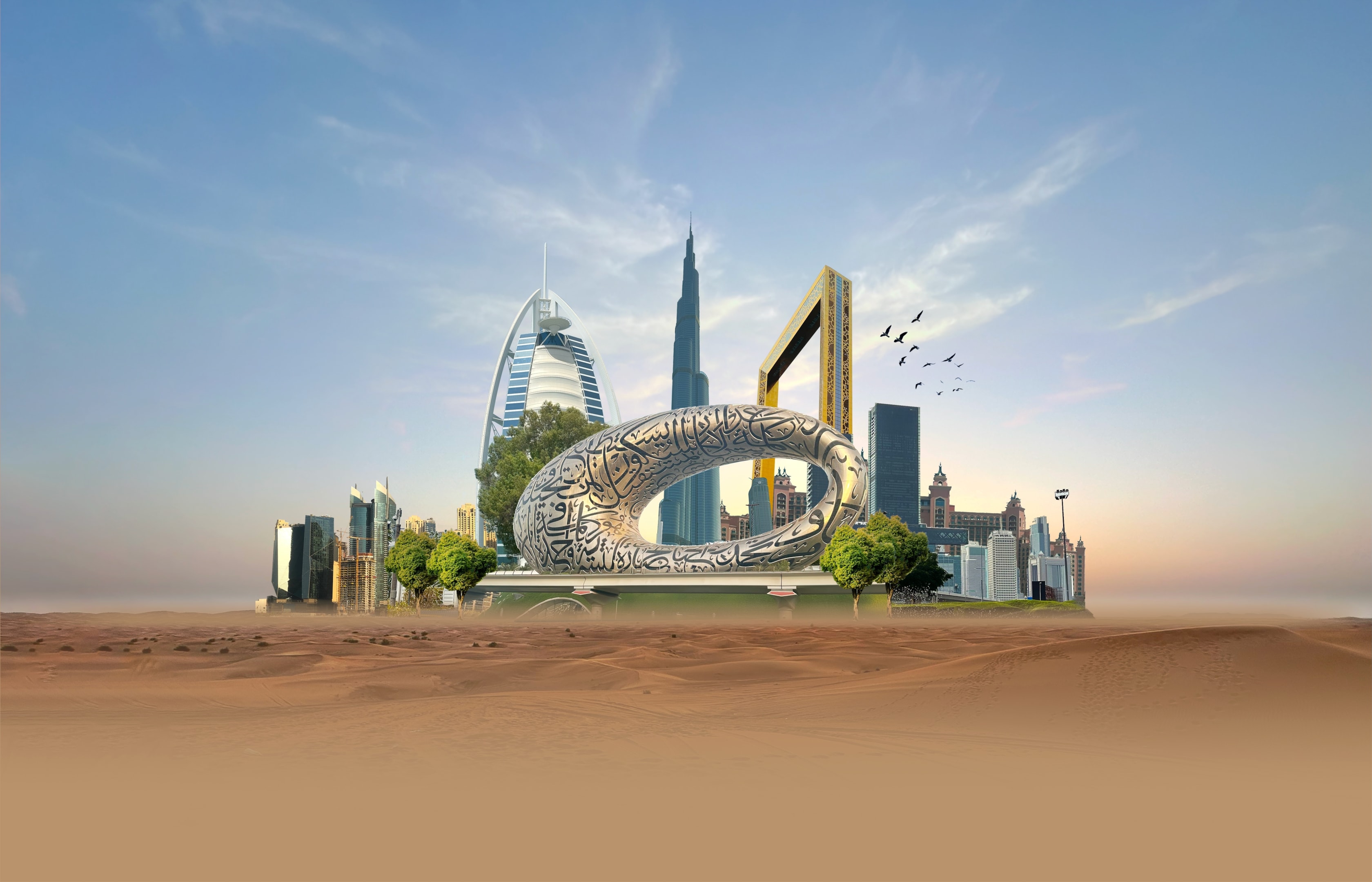
Overview of UAE Desert Terrains
The united arab emirates has a hot desert climate (Köppen-Geiger type BWh), with big changes in temperature and very little rain. The desert is very hot and dry, especially in July and August. During these summer months, temperatures often exceeding 48°C according to the UAE National Center of Meteorology. The coastal plains also get very hot, with average highs over 48 °C. But from October to April, the weather is cooler and nicer, with temperatures between 20°C and 25°C, making it the best time to explore the desert.
These dramatic landscapes cover the whole country, with each region of the UAE desert offering unique ecological and geographical features, from the persian gulf coast in the north to the border with oman in the south east. The largest emirate, abu dhabi, has the biggest desert area, including much of the famous rub al khali or Empty Quarter. The desert also has important oases like the Liwa Oasis and the Al Buraymi Oasis. In the east, the al hajar mountains create rocky desert land that is very different from the soft sand dunes found in other places.
The desert area also includes many islands along the gulf coast, mangrove forests, and inland oases that have supported people for thousands of years. Oases and green areas in the desert are home to a variety of vegetation, including trees such as date palms and acacias, which are vital for providing shade and supporting local ecosystems. These areas, along with mangrove forests, serve as important habitat for many species of birds, bats, and other wildlife, supporting biodiversity in the region. The UAE stretches over 650 km along the southern shore of the Persian Gulf. The desert gives important resources like water and medicinal plants to the local people. Rain is very rare, with some places getting almost none in August, though northern areas like ras al khaimah may get up to 25mm in March.
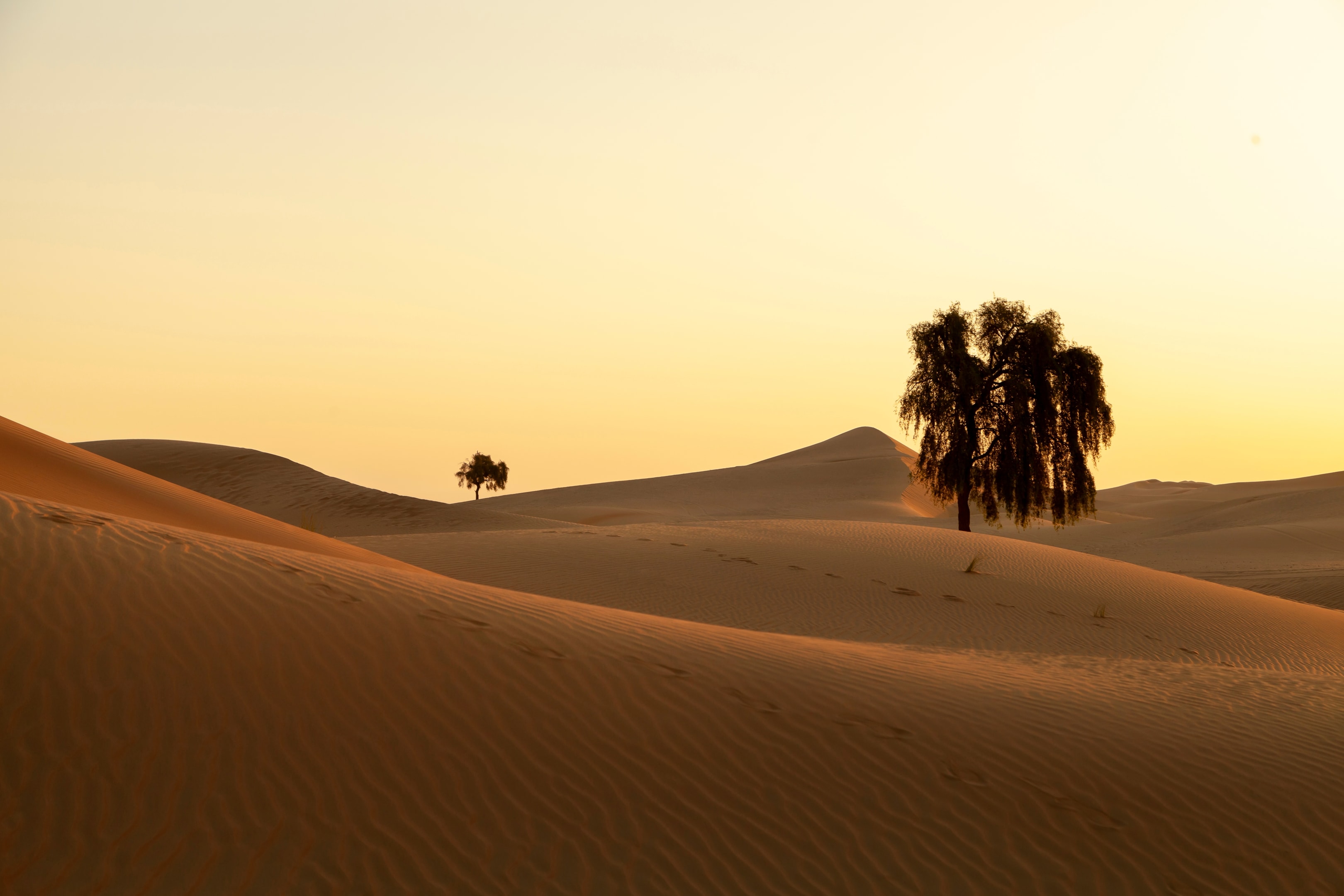
Geography and Climate of the Arabian Desert
The geography of the united arab emirates is shaped by the vast expanse of the arabian desert, which covers a major part of the country and defines much of its natural character. The seven emirates abu dhabi, dubai, sharjah, ajman, fujairah, ras al khaimah, and umm al quwain each showcase unique landscapes, from the rolling sand dunes of the great sandy desert to the rugged mountains and the shimmering coastline along the persian gulf. The rub al khali, or Empty Quarter, dominates the south, with its endless dunes and dramatic desert climate, while the north features coastal plains and numerous islands.
The desert climate of the uae is marked by extremely hot temperatures, especially during the summer months, and very low humidity. The sand dunes, some of the tallest in the world, create a constantly shifting landscape that is both beautiful and challenging. In contrast, the persian gulf coast offers a refreshing change, with its blue waters and bustling cities like dubai and abu dhabi. Ras al khaimah, in the north, is known for its diverse geography, blending desert, mountains, and sea. This unique mix of environments makes the united arab emirates a fascinating destination for travelers seeking both adventure and natural beauty in the heart of the arabian peninsula.
Major Desert Regions in the UAE
Rub’ al Khali – The Empty Quarter

Rub’ al Khali, or the Empty Quarter, stands as the largest sand desert on earth, stretching across the southeastern arabian peninsula and touching the borders of the uae, oman, and saudi arabia. This immense sea of sand covers around 250,000 square miles, with the uae’s share featuring some of the most impressive dunes and untouched desert landscapes in the world. The rub al khali is famous for its towering sand dunes, which can reach heights of over 300 meters, and its extreme environment, where temperatures soar and rainfall is almost nonexistent.
Despite its harsh conditions, the rub al khali is home to remarkable wildlife, including the iconic arabian oryx, the swift sand gazelle, and the elusive sand cat. These species have adapted to survive in one of the most inhospitable habitats on earth. Beneath the sands, the desert holds vast reserves of natural gas and oil, resources that have been vital to the uae’s rapid development and prosperity. The rub al khali’s unique combination of natural wonders and economic importance makes it a symbol of both the challenges and the riches of the uae’s deserts.
It is the world’s largest continuous sand desert, covering over 650,000 square kilometers across the Arabian Peninsula. This region is a distinct area of vast sand dunes, with a significant portion lying within Abu Dhabi emirate and forming part of the UAE's share of the desert. The Rub' al Khali also extends into the Oman desert, connecting the UAE with neighboring Oman through its expansive landscape.
This great sandy desert features huge star-shaped dunes and long dune lines, some as tall as 300 meters, taller than Dubai’s famous Burj Khalifa. Scattered oases within the Rub' al Khali support unique vegetation and trees such as date palms and acacias, providing vital green areas in the arid environment.
The Rub' al Khali serves as a crucial habitat for desert wildlife, including the occasional camel crossing the sands, as well as various birds and small mammals adapted to the harsh conditions. Under these sands are large reserves of natural gas and oil that have helped the UAE grow and develop. The environment is very harsh, with little rain (less than 30mm a year) and extreme heat that challenges humans. Archaeologists have found that old trade routes crossed this tough land, linking different parts of the Arab Emirates for thousands of years.
Al Ain Oasis: A UNESCO World Heritage Site

The Al Ain Oasis, located in Abu Dhabi emirate, is a UNESCO World Heritage Site and a testament to the UAE’s historical ingenuity. Spanning 1,200 hectares, this oasis features over 147,000 date palms, along with mango, fig, and citrus trees, irrigated by an ancient falaj system that dates back over 3,000 years. Shaded pathways wind through lush groves, offering a serene contrast to the surrounding desert and a glimpse into traditional Emirati agriculture. The oasis is home to the Al Ain National Museum and historic forts like Al Jahili, which provide cultural context through exhibits on Bedouin life and regional history.
As a biodiversity hotspot, the oasis supports numerous bird species and small mammals, contributing to the UAE’s conservation efforts. Visitors can explore the oasis on foot or by bike, with guided tours explaining the falaj system and the oasis’s role in sustaining ancient settlements. The Al Ain Oasis is a short drive from Abu Dhabi, making it an ideal day trip for those seeking a blend of nature, culture, and history. Its tranquil ambiance and historical significance make it a must-visit for understanding the cultural significance of the UAE desert.
Liwa Oasis and Desert

About 150 kilometers south of Abu Dhabi city is the Liwa Oasis, which marks the northern edge of the Rub al Khali and serves as a gateway to the Oman desert. This region is a green area in the middle of the desert and is considered one of the UAE's most significant oases. The Liwa Oasis acts as a vital habitat for wildlife, supporting species such as birds, bats, and the occasional camel crossing the sands.
This old oasis supports many date palm farms using traditional falaj irrigation systems that bring water across the dry land. The lush vegetation and trees, including date palms and acacias, provide essential shelter and resources for the local ecosystem.
The tall dunes around Liwa Oasis can be more than 300 meters high, making some of the most stunning desert views in the world.
Al Badayer Desert

Known as “Big Red” for its striking terracotta dunes, the Al Badayer Desert in Sharjah is a thrill-seeker’s paradise, located just 65 kilometers southeast of Sharjah city. Its iconic Big Red dune, glowing vividly at sunset, is a magnet for dune bashing, quad biking, and sandboarding enthusiasts. The desert’s soft, manageable dunes make it ideal for both beginners and seasoned adventurers, with 4x4 trails and buggy rentals catering to all skill levels. The Al Badayer Oasis, part of the Sharjah Collection offers luxury camping with 21 suites and 10 tents inspired by traditional Arabian forts, blending modern comforts with Emirati heritage.
Beyond adventure, Al Badayer is a cultural gem. The oasis’s Nizwa restaurant serves authentic Emirati dishes influenced by Silk Route flavors, while activities like camel riding, falcon shows, and archery immerse visitors in local traditions. Families can enjoy hiking or stargazing under the desert’s glittering skies, with the oasis’s amphitheater hosting live entertainment. Its proximity to Dubai (about an hour’s drive) and eco-friendly design make Al Badayer a must-visit for those seeking an authentic UAE desert adventure.
Al Qudra Desert
 The Al Qudra Desert, part of Dubai’s Al Marmoom Desert Conservation Reserve, is a man-made oasis that redefines desert tourism. Located off Al Qudra Road, just 45 minutes from downtown Dubai, it features artificial lakes, including the heart-shaped Love Lakes, surrounded by desert foliage spelling “LOVE” from above. This serene landscape is a haven for birdwatchers, with over 130 bird species, alongside oryx, gazelles, and desert foxes. Unlike high-adrenaline deserts, Al Qudra is perfect for eco-tourism, offering tranquil picnics, barbecues, and camping under starlit skies.
Visitors can cycle along designated trails, enjoy wildlife photography, or relax by the lakes, making it ideal for families and nature lovers. The nearby Bab Al Shams Desert Resort and Spa enhances the experience with luxury amenities, camel rides, and falconry. Al Qudra’s accessibility and eco-friendly vibe make it a standout for those seeking a peaceful yet immersive desert experience near Dubai’s bustling cityscape.
Mleiha Desert

The Mleiha Desert in Sharjah, a UNESCO-nominated World Heritage Site, is a treasure trove of history and adventure. Located near the Al Faya Desert, it’s renowned for its fossil-rich landscapes, including Fossil Rock, and archaeological sites dating back to the Paleolithic and Bronze Ages. The Mleiha Archaeological Centre showcases artifacts like camel skeletons, tools, and jewelry, offering a window into the UAE’s ancient past. The desert’s red dunes and rocky outcrops create a dramatic backdrop for activities like dune buggy rides, sand surfing, and guided tours of caves and pre-Islamic forts.
Mleiha balances adventure with education. Visitors can join archaeological tours to explore Stone Age settlements or relax at the lantern-lit Sunset Lounge for a barbecue dinner with desert views. The Al Faya Retreat, a boutique hotel nearby, offers a luxurious base with a Himalayan sea salt spa and stargazing-friendly rooms. Mleiha’s blend of history, culture, and adventure makes it a unique destination for those eager to explore the UAE’s desert heritage.
Al Lahbab Desert

The Al Lahbab Desert, often called the “Red Dune Desert,” is a premier destination for desert safaris, located about 50 kilometers from Dubai along the Dubai-Hatta Road. Its towering red dunes, including the famous Big Red, attract adventure seekers for dune bashing, sandboarding, and quad biking. The desert’s 2,000-square-kilometer expanse supports wildlife like oryx and spiny-tailed lizards, with archaeological evidence suggesting human habitation for over 6,000 years. Today, Bedouin communities maintain a traditional lifestyle, offering visitors a glimpse into their resilience and culture.
Cultural festivals in Al Lahbab feature belly dancing, Tanoura performances, and traditional BBQ dinners under the stars, creating a festive atmosphere. The desert’s proximity to Dubai and smooth dunes make it accessible for both novice and experienced adventurers. Tour operators offer comprehensive packages with pick-up services from Dubai, Sharjah, and Ajman, ensuring a seamless experience. Al Lahbab’s vibrant energy and rich history make it a top choice for UAE desert adventures.
Conservation Efforts in Protected Areas
The united arab emirates has made significant strides in conserving its unique desert ecosystems through the creation of protected areas and wildlife reserves. Places like the liwa oasis and the al ain oasis serve as vital habitats for endangered species such as the arabian oryx and the sand cat, offering them a safe refuge in the heart of the desert. These protected areas are carefully managed to preserve the delicate balance of the desert environment, ensuring that native plants and animals can thrive.
Conservation efforts in the uae go hand in hand with eco-friendly tourism. Visitors can experience the thrill of dune bashing, camel riding, and guided nature walks, all while learning about the importance of protecting the desert’s biodiversity. The government’s commitment to conservation is evident in the establishment of national parks and the ongoing protection of key habitats. These initiatives not only safeguard the uae’s natural heritage but also provide unforgettable adventure opportunities for travelers, making the deserts of the uae a model for sustainable tourism and wildlife preservation.
Abu Dhabi as a Base for Desert Exploration
Abu Dhabi, the vibrant capital of the united arab emirates, is the perfect starting point for anyone eager to explore the wonders of the arabian desert. Surrounded by sweeping dunes and just a short drive from legendary destinations like the liwa oasis and the rub al khali, abu dhabi offers easy access to some of the most breathtaking desert landscapes in the world. The city is a hub for adventure, with numerous tour operators offering desert safaris, dune bashing, camel treks, and overnight camping experiences under the stars.
Beyond its modern skyline and luxurious amenities, abu dhabi is also a gateway to the uae’s rich cultural and natural heritage. The nearby al ain oasis, a UNESCO World Heritage Site, invites visitors to discover ancient irrigation systems and lush palm groves in the midst of the desert. With its blend of world-class infrastructure, diverse adventure options, and proximity to iconic desert sites, abu dhabi stands out as the ultimate base for discovering the magic and mystery of the uae’s deserts.
Why Visit the UAE Desert?
The UAE desert’s unique mix of dramatic landscapes, rich biodiversity, and cultural significance sets it apart as a must-visit destination. Whether you’re seeking the thrill of dune bashing in Abu Dhabi, the tranquility of the Liwa Oasis, or the vastness of the Rub Al Khali, the UAE offers unparalleled desert experiences. Its conservation efforts ensure sustainable tourism, while its proximity to the Persian Gulf and diverse emirates adds to its appeal. Plan your visit between October and April for the best weather, and discover why the UAE deserts are gem of the Arabian Peninsula.
Activities to Try in the UAE Deserts
1. Desert Safari
Desert safaris are the heart of UAE desert tourism, offering a thrilling blend of adventure and culture. In Al Lahbab and Al Badayer, 4x4 dune bashing delivers an exhilarating ride over towering dunes, while safaris in Mleiha include archaeological tours. Most packages, starting at $50-$200, include pick-up, cultural performances like belly dancing, and BBQ dinners. Operators in Abu Dhabi and Dubai ensure safe, guided experiences.
2. Sandboarding and Quad Biking
Sandboarding and quad biking are must-try activities in Al Badayer, Al Lahbab, and Al Faya, where soft dunes create perfect conditions. Al Badayer’s Big Red is especially popular for quad biking, with rentals available for all skill levels. Sandboarding in Liwa’s Moreeb Dune offers a thrilling descent, with guides ensuring safety. Prices range from $20-$50 per activity.
3. Camping and Stargazing
Camping in Al Qudra or Al Badayer offers a serene escape under starlit skies, with luxury options like Al Badayer Oasis providing glamping tents with modern amenities. Stargazing in Mleiha or the Rub Al Khali, far from city lights, reveals a dazzling cosmos. Many camps include BBQs and cultural activities, costing $100-$300 per night.
4. Wildlife Watching
Al Qudra’s Al Marmoom Reserve and Mleiha’s fossil sites are ideal for wildlife watching. Spot oryx, gazelles, and over 130 bird species in Al Qudra, or explore Mleiha’s desert foxes and reptiles. Guided tours, often $30-$60, provide binoculars and expert insights, perfect for eco-conscious travelers.
5. Camel Trekking
Camel trekking in Liwa or Al Lahbab offers an authentic Bedouin experience, with guided rides showcasing desert life. Rides, often paired with cultural activities like falconry, cost $25-$75. Sunset treks in Al Faya’s red dunes are particularly scenic, offering stunning photo opportunities.
Tips for Visiting UAE Deserts
- Best Time to Visit: Plan your trip between October and April for cooler temperatures (20°C-25°C). Avoid midday heat, especially in summer when temperatures exceed 48°C.
- Preparation: Bring sunscreen, hats, sunglasses, and at least five liters of water per person daily. Wear lightweight, breathable clothing and sturdy shoes for activities.
- Safety: Stick to guided tours or established tracks, especially in remote deserts like the Rub Al Khali. Inform someone of your plans if self-driving, and avoid protected areas like the Dubai Desert Conservation Reserve without permits.
- Respect Nature: Don’t disturb wildlife or archaeological sites, especially in Mleiha. Take only photos and leave no trash.
- Booking: Use reputable operators like us to book Dubai Desert Safari for seamless experiences. Check for pick-up services from Dubai, Sharjah, or Abu Dhabi.
Plan Your Desert Adventure
Start your journey in Abu Dhabi for access to the Rub Al Khali and Liwa Oasis, or Dubai for Al Qudra and Al Lahbab. Sharjah’s Al Badayer and Mleiha are easily reachable within an hour. Budget $50-$300 per person for safaris, camping, or luxury retreats like Al Faya Retreat or Bab Al Shams. Book in advance, especially during peak season (November-February), and choose packages that align with your interests adventure, culture, or eco-tourism.
More to Explore
Sandboarding in Dubai: A Thrill-Seeker’s Guide with Tours
Sandboarding in Al Lahbab or Al Badayer is a must for thrill-seekers. Operators offer guided sessions with boards and safety gear for $20-$50. Beginners can start on smaller dunes, while pros tackle Big Red. Sunset sessions enhance the experience with stunning views.
Archaeological Adventures in Mleiha
Mleiha’s archaeological tours, starting at $30, take you through Bronze Age tombs and pre-Islamic forts. The Mleiha Archaeological Centre offers interactive exhibits, making it a hit for history buffs. Combine with dune buggy rides for a full day of exploration.
The UAE’s deserts are a vibrant blend of adventure, culture, and natural beauty. Whether you’re dune bashing in Al Lahbab, birdwatching in Al Qudra, or exploring ancient fossils in Mleiha, these landscapes promise an unforgettable journey into the heart of the Arabian Peninsula. Pack your sense of wonder and dive into the UAE’s desert magic!


