Ting at gøre i Ras Al Khaimah Byture

Ras Al Khaimah's old town and heritage district sit along the creek, offering a walkable circuit of the National Museum, the old souq, and traditional courtyard houses. Dhayah Fort on a hilltop above the date palm groves is included on most full-city tours and gives a wide view over the emirate. Half-day tours cover the main highlights with a guide.

Ras Al Khaimah Byture

Pro tips to help you make a pick

Local secrets to save you time and money.

1

Start at Dhayah Fort Before 10 AM to Avoid the Heat

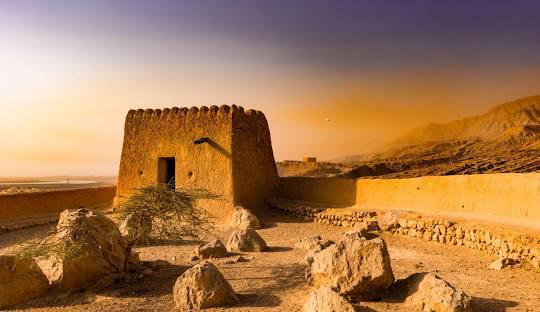
Dhayah Fort is an exposed hilltop climb with no shade. Visiting first thing in the morning means cooler temperatures, softer light for photography, and fewer visitors. The 360-degree views from the top are clearest in the morning before any haze builds. Carry water even for this short climb. The steps are steep and there are no facilities at the fort.
Book Morning Tour
2

Spend Extra Time at Al Jazirah Al Hamra

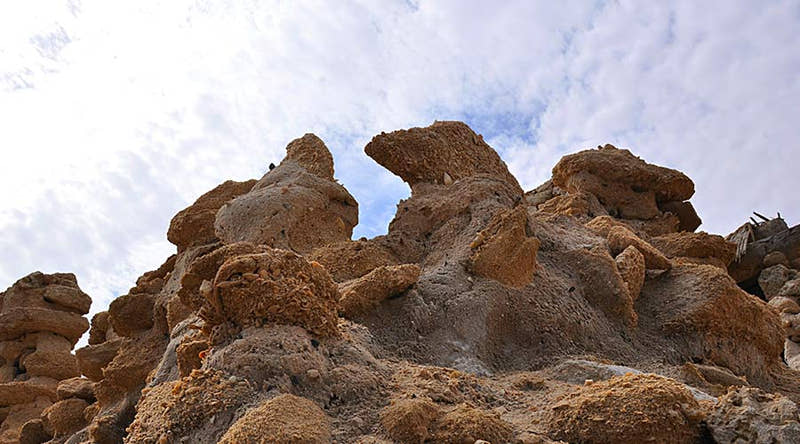
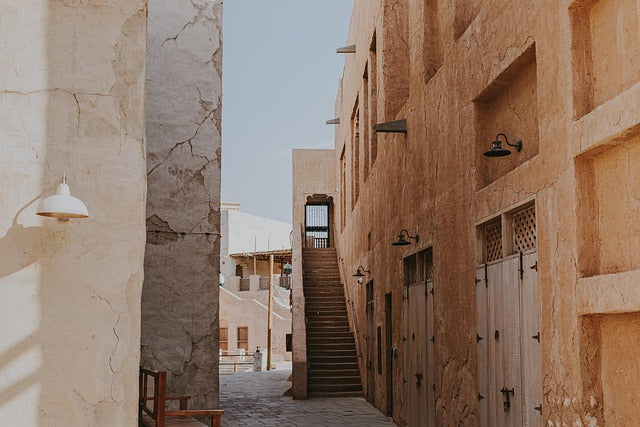
Most tour groups spend 20 to 30 minutes at the ghost village. Request at least 45 minutes if you enjoy photography or history. The abandoned coral-stone houses are incredibly photogenic, especially in late afternoon light. Explore the back alleys beyond the main pathway. Some of the most atmospheric ruins are off the beaten track. Wear sturdy shoes as floors and walls are crumbling in places.
3

Visit the Souq on a Weekday Morning for the Best Experience

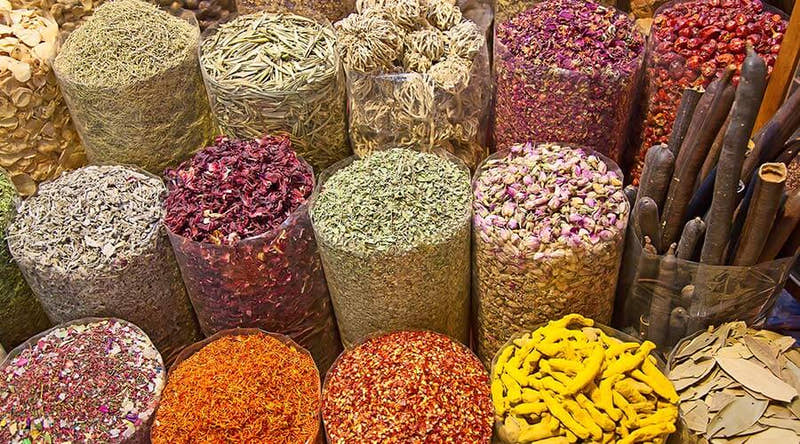
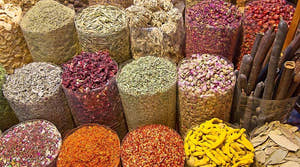
The Old Town souq is quietest on weekday mornings, Sunday to Wednesday, between 9:00 AM and 11:00 AM. That's the best time for authentic interactions with shopkeepers and unhurried browsing. Weekend mornings on Friday and Saturday are busier with local families. For gold purchases, compare prices at 3 to 4 shops before buying. Prices vary based on craftsmanship, not just gold weight.
4

Combine City Tour with a Desert Safari for a Full RAK Day

The most efficient RAK itinerary is a morning city tour from 8:30 AM to 1:00 PM followed by an evening desert safari departing 3:30 to 4:00 PM. This covers RAK's two best experiences in a single day with a lunch break in between. Tour operators can arrange both as a combined package at a discounted rate.
View Combined Packages
5

Bring Cash for the Souq, Most Stalls Don't Accept Cards

While RAK is increasingly cashless in hotels and restaurants, the traditional souq remains predominantly cash-based. ATMs are available in the Old Town area but carrying AED 200 to 500 in small denominations is recommended for souq shopping. Bargaining is expected on textiles, spices, and non-gold items. Start at 40 to 50 percent of the asking price and negotiate up.

About Ras Al Khaimah City Tours

Ras Al Khaimah city tours reveal a side of the UAE that most visitors never see. Ancient forts, abandoned villages, traditional souqs, and a pearl-diving heritage that predates the oil era by centuries. The Old Town district retains an authenticity that's been lost in the gleaming skylines of Dubai and Abu Dhabi. History here isn't reconstructed for tourists. It's lived in and walked through.
City tours typically include the RAK National Museum housed in the 18th-century royal fort, the haunting Al Jazirah Al Hamra ghost village, the hilltop Dhayah Fort with its panoramic views, and the traditional souq where gold, spices, and textiles are still traded in the same manner as generations past. Half-day tours cover the highlights in 4 to 5 hours, while full-day options add coastal stops and a traditional Arabic lunch.
Address Old Town, Ras Al Khaimah, United Arab Emirates
Also Known As RAK Heritage and City Tour
Year Opened 1987
Founded By Ras Al Khaimah National Museum (as cultural tour hub)
Annual Visitors 200,000+
Expected Wait Time No Wait, Pre-Booked Tours with Fixed Departure Times (Peak) 5 to 10 Minutes for Museum and Fort Entry Queue During Weekends (Off Peak)

Interesting Facts (Fun Facts)

Discover hidden secrets and stories.

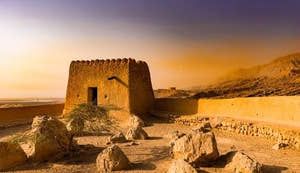
Dhayah Fort is the only hilltop fort in the entire United Arab Emirates. Perched on a natural hill in the north of the emirate, the mudbrick fortification dates to the 16th century and was the site of the last stand against British forces in 1819. The panoramic views from the summit span across date palm groves to the Arabian Gulf, the same vantage point used by watchmen centuries ago.
Book City Tour
Al Jazirah Al Hamra is the last authentic traditional village remaining in the Gulf region. Abandoned in the 1960s when its pearl-diving families relocated, the coral-stone houses, wind towers, and mosque stand exactly as they were left. The eerie, photogenic village has been the location for multiple international film and documentary productions exploring pre-oil Gulf life.
Ras Al Khaimah was one of the most important pearl-diving centres in the Arabian Gulf for over 7,000 years. Archaeological excavations at Shimal and other RAK sites have uncovered pearl-diving weights, ornamental pearls, and trading records dating to 5000 BCE. That makes the emirate's pearl heritage among the oldest documented in the world.
Explore Pearl Heritage
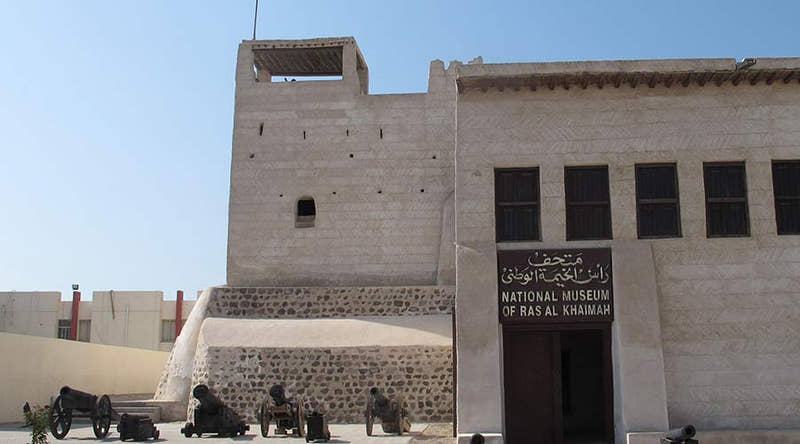
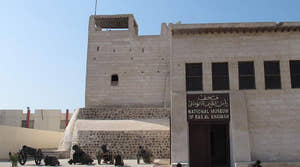
The RAK National Museum is housed in the former residence of the ruling Al Qasimi family. The 18th-century fort compound served as the royal residence until 1964, when the ruling family moved to a modern palace. The museum's collection includes artefacts spanning 7,000 years, from Stone Age tools discovered in the Hajar Mountains to pearl-diving equipment and traditional weaponry.

Why visit Ras Al Khaimah City Tours?

The Most Authentic Cultural Experience in the UAE

RAK's Old Town, abandoned villages, and traditional souqs offer a window into pre-oil Gulf life that's been largely erased in Dubai and Abu Dhabi. There are no reconstructed heritage zones or sanitised cultural attractions. These are real places with real history, still functioning as part of daily life in the emirate. For travellers who want to understand the UAE beyond the skyscrapers, RAK city tours deliver.
Book Heritage Tour

7,000 Years of Documented History

RAK's archaeological record is one of the richest in the Arabian Peninsula. From Neolithic tombs at Shimal to Bronze Age trading settlements and the ancient pearling port of Julfar, a predecessor to modern RAK, the emirate has been continuously inhabited for millennia. City tours connect these dots, and the National Museum's artefact collection puts the history in tangible context.

Significantly Lower Prices Than Dubai Tours

City tour prices in RAK are 30 to 50 percent lower than comparable cultural tours in Dubai and Abu Dhabi. Gold and souq shopping is consistently cheaper, museum entry is minimal, and tour operator rates are competitive. A full-day guided city tour with lunch ranges from AED 200 to 350, compared to AED 400 to 600 for similar scope in Dubai.
View Tour Prices

Highlights

RAK National Museum and Royal Fort

RAK National Museum and Royal Fort

The 18th-century royal fort houses the emirate's most important cultural collection. Galleries cover RAK's archaeological...
See more
Al Jazirah Al Hamra Ghost Village

Al Jazirah Al Hamra Ghost Village

The UAE's last surviving traditional pearling village, abandoned in the 1960s and preserved in its...
See more
Dhayah Fort, UAE's Only Hilltop Fort

Dhayah Fort, UAE's Only Hilltop Fort

Climb the stone steps to the emirate's most strategically positioned fortification. The 16th-century mudbrick fort...
See more
Traditional RAK Souq and Gold Market

Traditional RAK Souq and Gold Market

The Old Town souq retains the character of a genuine Arabian marketplace, not a reconstructed...
See more
RAK Mangrove Nature Reserve Cruise

RAK Mangrove Nature Reserve Cruise

A guided boat cruise through the protected mangrove channels on the RAK coastline. The 90-minute...
See more

Plan your visit

Address

Old Town, Ras Al Khaimah, United Arab Emirates

Get Google Maps
RAK Hotel Pick-Up

RAK Hotel Pick-Up

City tour operators collect guests from Ras Al Khaimah hotels between 8:30 to 9:00 AM for morning departures and 1:00 to 1:30 PM for afternoon tours. Half-day tours run 4 to 5 hours, covering the National Museum, Dhayah Fort, and the Old Town souq. Full-day tours of 7 to 8 hours add Al Jazirah Al Hamra, the mangrove cruise, and a traditional Arabic lunch.

View on map
Day Trip from Dubai

Day Trip from Dubai

RAK city tours are available as full-day excursions from Dubai, with hotel pick-up between 7:30 to 8:30 AM. The drive takes approximately 75 minutes via the E311 highway. The tour covers all major sites with a traditional lunch included, returning to Dubai by 5:00 to 6:00 PM. Private and shared vehicle options are available.

View on map
Monday Tours: 8:30 AM to 5:00 PM, Museum: 8:00 AM to 6:00 PM
Tuesday Tours: 8:30 AM to 5:00 PM, Museum: 8:00 AM to 6:00 PM
Wednesday Tours: 8:30 AM to 5:00 PM, Museum: 8:00 AM to 6:00 PM
Thursday Tours: 8:30 AM to 5:00 PM, Museum: 8:00 AM to 6:00 PM
Friday Tours: 1:00 PM to 5:00 PM, Museum: 2:00 PM to 6:00 PM
Saturday Tours: 8:30 AM to 5:00 PM, Museum: 8:00 AM to 6:00 PM
Sunday Tours: 8:30 AM to 5:00 PM, Museum: 8:00 AM to 6:00 PM

City tours operate daily with fixed departure times. The RAK National Museum is closed on Tuesdays. Friday tours start later due to midday prayers. Dhayah Fort and Al Jazirah Al Hamra are outdoor sites accessible from sunrise to sunset with no formal entry times. The Old Town souq is busiest on weekend mornings, Friday and Saturday. During Ramadan, museum and tour hours may shift so confirm schedules at booking. Summer tours from June to August are available but temperatures exceed 40 degrees Celsius, so early morning departures are recommended.

Air-Conditioned Transport and Guide
All city tours include a professional English-speaking guide and an air-conditioned vehicle, either a minivan or 4x4 depending on group size. Guides provide historical context at each stop and can adjust the itinerary based on group interests. Water bottles and light refreshments are provided on full-day tours.
Traditional Arabic Lunch on Full-Day Tours
Full-day city tours include a sit-down lunch at a local restaurant serving traditional Emirati and Arabic cuisine. Machboos is spiced rice with meat, harees is wheat and lamb porridge, plus grilled meats, salads, and Arabic coffee with dates. Vegetarian options are available on request. The restaurant is air-conditioned.

Mostly Accessible with Some Limitations

The RAK National Museum ground floor is wheelchair accessible, but upper levels require stairs. Dhayah Fort involves a steep uphill climb of approximately 100 steps and isn't suitable for wheelchair users or guests with limited mobility. Al Jazirah Al Hamra has uneven sand and gravel paths. The souq is flat but narrow in places. Mangrove boat cruises can accommodate guests who can board a small vessel with assistance. Notify your tour operator of accessibility requirements at booking.

Dress Code at Cultural Sites

Modest clothing is expected when visiting the National Museum, Dhayah Fort, and the Old Town souq. Shoulders and knees should be covered. Swimwear and beachwear aren't appropriate for cultural sites. Comfortable walking shoes are essential because several sites involve walking on sand, gravel, and stone steps. Hats and sunscreen are recommended for outdoor visits to Dhayah Fort and Al Jazirah Al Hamra.

Photography Permissions

Photography is permitted at all outdoor sites including Dhayah Fort, Al Jazirah Al Hamra, and the souq. The RAK National Museum allows photography in most galleries but tripods and flash aren't permitted. Drone flights require prior UAE GCAA permits and are prohibited near military and government sites. Always ask permission before photographing local people, especially in the souq.