






I dette indlæg
Planlægger du en vinterrejse og spekulerer på om det sner i Tyrkiet og Istanbul, så er det korte svar ja, der falder sne i Istanbul, selvom det ikke sker hver dag i løbet af vinteren. Snefald i byen er ret almindeligt mellem december og marts, hvor januar og februar er de mest sandsynlige måneder.
Selvom Istanbul er berømt for sine historiske moskeer, travle bazarer og den naturskønne udsigt over Bosphorus, forvandler vinteren nogle gange byen til et smukt snedækket landskab. At se ikoniske vartegn dækket af sne er en sjælden, men uforglemmelig oplevelse for besøgende.
Lad os tage et nærmere kig på, hvordan vinteren er i Istanbul og hvad du kan forvente, hvis du besøger i de koldere måneder.
Sner det i Istanbul?
Ja, der falder sne i Istanbul næsten hver vinter. Byen ligger i det nordvestlige Tyrkiet og ligger mellem Sortehavet og Marmarahavet, hvilket påvirker byens klima. På grund af denne beliggenhed har Istanbul et tempereret klima med kølige, våde vintre.
Snefald sker som regel et par gange hver vintersæson snarere end kontinuerligt. Nogle år er der kun let sne, som smelter hurtigt, mens andre år bringer kraftigere storme, der kan dække byen i hvidt i flere dage.
I gennemsnit oplever Istanbul omkring 3–7 dage med sne om året, selvom vejrmønstrene kan variere.

Hvornår sner det i Istanbul?
Sne i Istanbul falder generelt fra slutningen af december til begyndelsen af marts, men den mest intense vinterperiode er januar og februar.
Sådan ser typisk vintervejr ud:
- December: Koldt og regnfuldt, lejlighedsvis let sne
- Januar: Den koldeste måned med størst sandsynlighed for snefald
- Februar: Hyppige koldfronter og mulige snestorme
- Marts: Sne bliver sjælden, når temperaturerne begynder at stige
Ved snefald falder temperaturen typisk tæt på 0°C (32°F) eller en smule under.
Hvor koldt bliver det i Istanbul?
Vinterne i Istanbul er kølige, men ikke ekstremt kolde sammenlignet med mange europæiske byer.
Gennemsnitlige vintertemperaturer er normalt:
- Om dagen: 7°C til 10°C (45°F til 50°F)
- Om natten: 2°C til 5°C (36°F til 41°F)
Kolde vinde fra Black Sea kan få vejret til at føles koldere, især ved vandkanten ud mod Bosphorus.
Selv uden kraftigt snefald medfører vinteren ofte regn, overskyet himmel og kraftige vinde, så besøgende bør pakke varmt tøj.
Hvordan ser Istanbul ud, når det sner?
Sne i Istanbul skaber nogle virkelig magiske motiver. Byens historiske arkitektur og havneområder ser betagende ud, når de er dækket af hvidt.
Nogle af de smukkeste sneklædte steder omfatter:
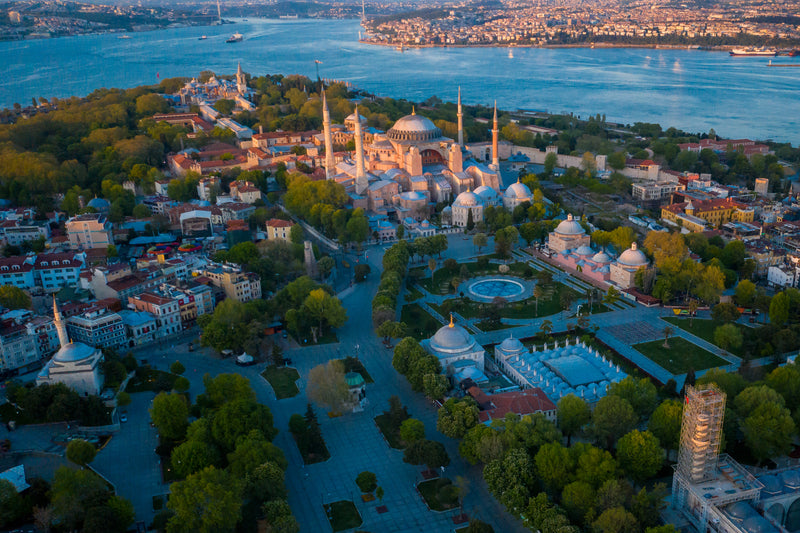
- Hagia Sophia – den ikoniske kuppel ser fantastisk ud, når den er omgivet af sne
- Blue Mosque – dens gårdhaver og minareter ser særligt dramatiske ud om vinteren
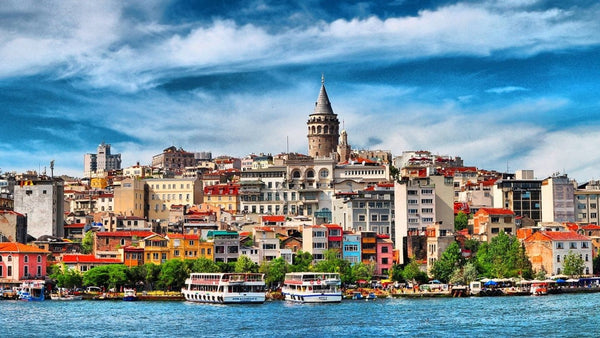
- Galata Tower – tilbyder sneklædte udsigter over den historiske bysilhuet
- Bosphorus Strait – havet og de sneklædte bakker skaber et smukt landskab
Når det sner, går de lokale ofte udenfor for at nyde den sjældne vinterstemning, tage billeder og spadsere gennem de historiske gader.

Påvirker sne rejseforholdene i Istanbul?
Kraftigt snefald kan af og til påvirke transporten i byen. Istanbul er en enorm metropol med mere end 15 millioner indbyggere, og pludselige snestorme kan nogle gange sænke trafikken.
Mulige vinterforstyrrelser inkluderer:
- Trafikforsinkelser på broer og motorveje
- Midlertidige flyforsinkelser på Istanbul Airport
- Langsommere kollektiv transport under storme
Byen er dog generelt godt forberedt på vintervejr, og sneen smelter som regel inden for et par dage.
For turister er den største konsekvens blot at afsætte ekstra rejsetid, når der er udsigt til sne.
Er vinter et godt tidspunkt at besøge Istanbul?
Mange rejsende nyder faktisk at besøge Istanbul om vinteren. Mens sommeren er højsæsonen, byder vinteren på en roligere og mere afslappet stemning.
Fordele ved at besøge om vinteren inkluderer:
- Færre mennesker ved populære attraktioner
- Lavere hotelpriser
- Hyggelige caféer og restauranter
- Smukke, sneklædte scener (hvis du er heldig)
Derudover er vinteren det perfekte tidspunkt til at nyde traditionelle tyrkiske trøstende retter som kebaber, supper og varm te, mens du udforsker byen.
Vinteraktiviteter i Istanbul
Hvis du besøger i de koldere måneder, er der stadig masser af gode ting at lave.
Populære vinteraktiviteter inkluderer:
- Udforske Grand Bazaar og indendørs markeder
- Besøge historiske moskeer og museer
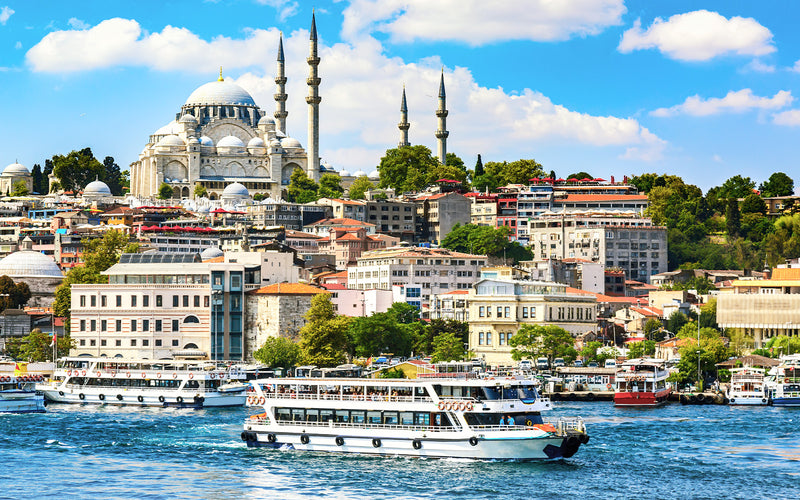
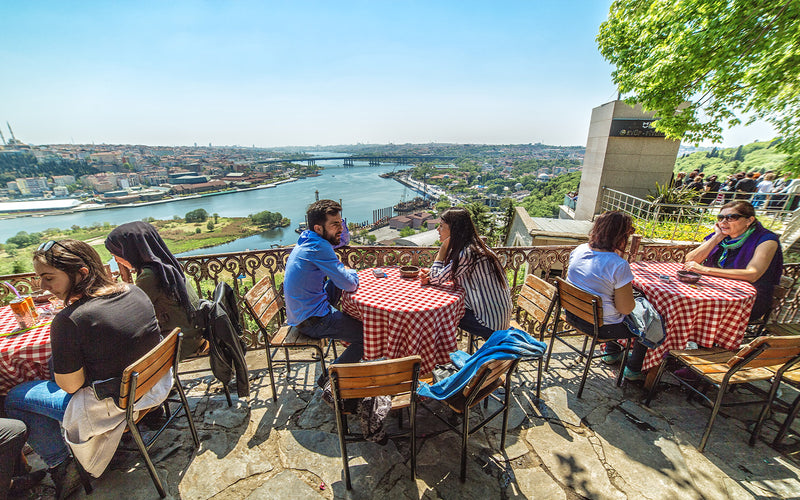
- At tage en færgetur langs Bosphorus
- Prøve traditionelle tyrkiske desserter og gademad
- Slappe af i hyggelige caféer med tyrkisk te
Selv når det sner, bliver mange af disse oplevelser endnu mere mindeværdige.
Book de bedste aktiviteter i Istanbul
-
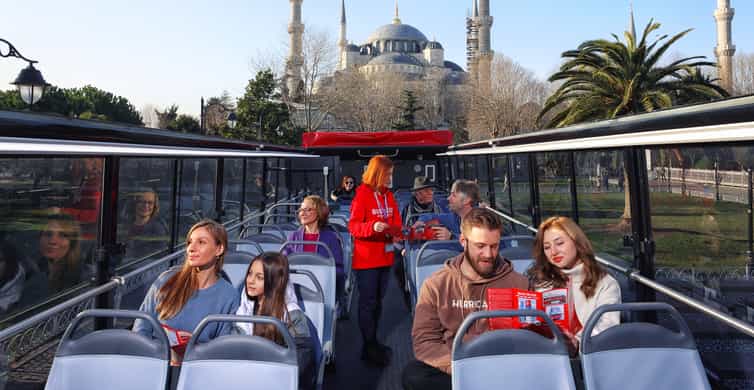
Heldagsbillet til Istanbul Hop-On-Hop-Off busrundtur
Udsalg UdsolgtNormalpris $67.00 USDNormalprisStykpris pr. -
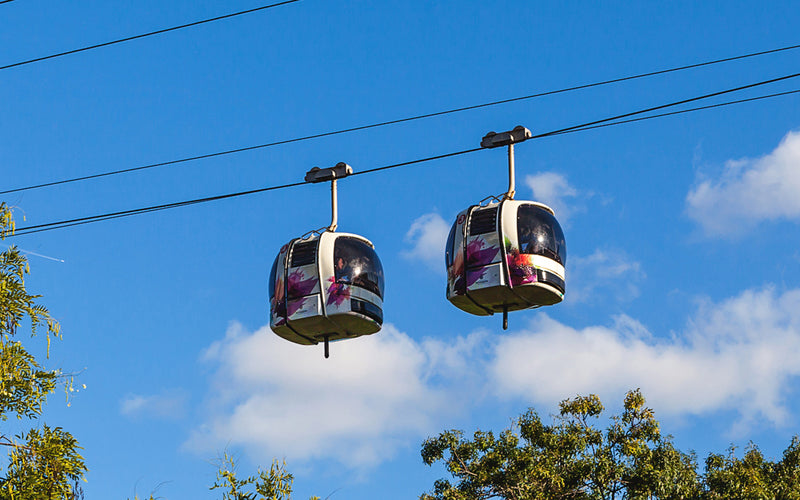
Eftermiddagskrydstogt på Bosporus med svævebane til Pierre Loti-bakken
Udsalg UdsolgtNormalpris $76.50 USDNormalprisStykpris pr. -
Istanbul: Hagia Sophia, Topkapi Palace, Den Blå Moské, Grand Bazaar & Hippodrom - Guidet tur
Udsalg UdsolgtNormalpris $250.00 USDNormalprisStykpris pr.


Afsluttende tanker
Så, sner det i Istanbul, Tyrkiet? Ja, det gør det, men som regel kun et par gange hver vinter. Snefaldene forekommer typisk mellem december og marts, hvor januar og februar giver den bedste chance for at se byen dækket af hvidt. Selvom Istanbul er mere kendt for sine historiske seværdigheder og sit livlige kulturliv end for vintervejr, forvandler lejlighedsvis sne byen til noget helt magisk. Hvis du tilfældigvis besøger under et snefald, får du mulighed for at opleve en af Istanbuls smukkeste og mest sjældne sider.


