







In this blog
When people think of Cappadocia, fairy chimneys, hot air balloons and underground cities come to mind first. Yet this region also carries thousands of years of winemaking heritage. With its volcanic soil, high altitude and significant day-to-night temperature differences, Cappadocia is one of Turkey's most distinctive wine regions. If you are a wine lover, skipping the wineries during your visit would be a serious missed opportunity.
This guide is designed for those who want to explore Cappadocia's wineries. You will find everything you need to know, from terroir and local grape varieties to tasting tips and advice on bringing wine home.

What Makes Cappadocia Wine Special?
To understand the quality of Cappadocia wine, you first need to look at the soil. The region is formed from tuff rock, created by ancient volcanic eruptions. This porous structure allows vine roots to reach deep into the ground while giving the soil a distinct mineral character. That stony, volcanic mineral nuance often detected in Cappadocia wines comes from exactly this.
The region's altitude ranges between 1,000 and 1,400 metres. This elevation slows the ripening process of the grapes and helps preserve acidity. High daytime temperatures contribute to sugar accumulation in the grapes, while cool nights help retain aromatic compounds. As a result, Cappadocia offers a terroir well-suited to producing wines that are rich and balanced both structurally and aromatically.
It is not as well-known as the Aegean or Thrace on Turkey's wine map, but it is attracting growing interest. Wines made from native grape varieties in particular have begun to gain appreciation on the international stage.
Grape Varieties You Should Know
Getting to know the grape varieties specific to the region before visiting Cappadocia will make your tasting experience far more meaningful.
Emir is Cappadocia's most important white grape. Grown almost exclusively in this region, Emir stands out for its high acidity, floral aromas and typically citrus notes. Its light structure pairs wonderfully with fish, seafood and white meats. It is a variety best consumed fresh and generally does not benefit from long cellaring.
Öküzgözü and Boğazkere are among Turkey's most established red grapes. Öküzgözü offers a more approachable profile with soft tannins and red fruit aromas, while Boğazkere has a more powerful, intense and high-tannin structure. A blend of the two has become an almost classic combination in Turkish wine culture. For a wine lover who enjoys red meat, Cappadocia reds are an ideal starting point.
Some producers also work with international varieties such as Chardonnay, Syrah or Cabernet Sauvignon. These blends offer an interesting experience for those curious about the character Cappadocia's soils can impart to foreign varieties.

Winery Guide: Where Should You Go?
The region is home to many wineries of varying scale and character. Here are the best-known ones:
Kocabağ is one of Turkey's most established wine producers. The facility in Ürgüp offers both vineyard tours and comprehensive tasting menus. Emir Reserve is recognised as one of the benchmark white wine productions that sets the standard in the region. Reservations are recommended, as it can get busy especially on weekends.
Turasan, with its large production capacity, is the region's most accessible brand. It offers a more consistent quality line compared to boutique producers, and prices are slightly more affordable. If you are experiencing Cappadocia wine for the first time, Turasan is a good starting point.
Château Kalpak is among the region's prestigious boutique producers. It produces in small batches and places importance on blending work. The tasting experience has a more private and personal quality. Prices are higher than other options but the quality is worth it.
Avanos and its surroundings are also a noteworthy area in terms of viticulture. Small family-run businesses, overshadowed by larger brands, produce characterful wines. If you find yourself exploring the area, I recommend setting aside time to visit one of these small operations.
It is worth checking each winery's website before visiting, as tasting hours, reservation requirements and menus can change depending on the season.
Budget-Friendly Tasting Guide
Wine tasting in Cappadocia can suit every budget with a little research.
Some wineries reduce or waive the tasting fee with the purchase of a certain number of bottles. When you plan for this, you end up both doing a tasting and taking home a nice bottle. Tastings held at lunchtime tend to be quieter and are sometimes more affordable than evening sessions.
For those going in groups, it makes sense to contact the winery in advance and request a private tasting programme. Most establishments can offer special pricing for groups of five or more.
If your budget is tight but you want a quality wine experience, I recommend starting with large-scale producers like Turasan. Per-bottle prices are more reasonable and tasting menus are comprehensive enough. You can save the boutique producers for later days.
The majority of wines produced in the region range between 650 and 1,500 TL per bottle. Within this range, you can encounter some of the finest quality Turkish wine has to offer.
Tips for Buying and Bringing Wine Home
Some important information for those who want to bring a few bottles of wine home from Cappadocia:
Buy in person or order online? Buying directly at the winery is generally more advantageous. You can make an informed choice after tasting, and you can also access special editions that some producers do not sell online. On top of that, you save on shipping costs.
Travelling by plane: You cannot carry wine in hand luggage due to liquid restrictions. You need to put bottles in your checked luggage. I recommend wrapping each bottle individually in clothing and placing them in the middle of your suitcase to protect against breakage. Airlines do not specifically prohibit wine, but if it breaks, the responsibility is yours.
Cargo as an alternative: For long distances or large quantities, some wineries offer shipping services. Large producers like Kocabağ and Turasan are experienced in this area; you can ask for details during your visit.
Which wines can age? Quality Öküzgözü and Boğazkere blends develop nicely over 3 to 7 years. Emir, however, is a variety best consumed fresh; it is recommended to drink it within 1 to 2 years of purchase. Do not hesitate to ask winery staff about ageing potential.
Cappadocia Cuisine with Wine: The Right Pairings
The best way to complete your tasting experience is to discover the right pairings. Cappadocia cuisine works surprisingly well with regional wines.
Testi kebab, meat slow-cooked in an earthenware pot, makes a perfect pairing with a red based on Öküzgözü. The deep aromas of the meat and its slightly smoky nuances complement the wine's red fruit character beautifully.
Local cheese boards go very well with Emir. Emir's high acidity balances the fullness that fatty cheeses leave on the palate.
Pekmez-based desserts typical of Cappadocia can be paired with a late-harvest white or a slightly sweet Emir variation. This combination is not very common but it is a discovery worth trying.
Things to Do While in Cappadocia
Beyond wine tasting, the region has much to offer curious visitors.
A hot air balloon ride is one of Cappadocia's near-essential experiences. The traditional champagne celebration that follows the early morning flight is one of the most enjoyable ways to start the day. If you schedule the balloon for the morning of a wine tasting day, you can enjoy both the view and the glass on the same day.
Things to do in Cappadocia


Kappadokien Jeep Safari-tur
Udsalg
Udsolgt
Normalpris
$117.00 USD
Normalpris
Stykpris
pr.
Udsalgspris
$117.00 USD


Kappadokien: Solopgangstur med ballonobservation
Udsalg
Udsolgt
Normalpris
$25.00 USD
Normalpris
Stykpris
pr.
Udsalgspris
$25.00 USD
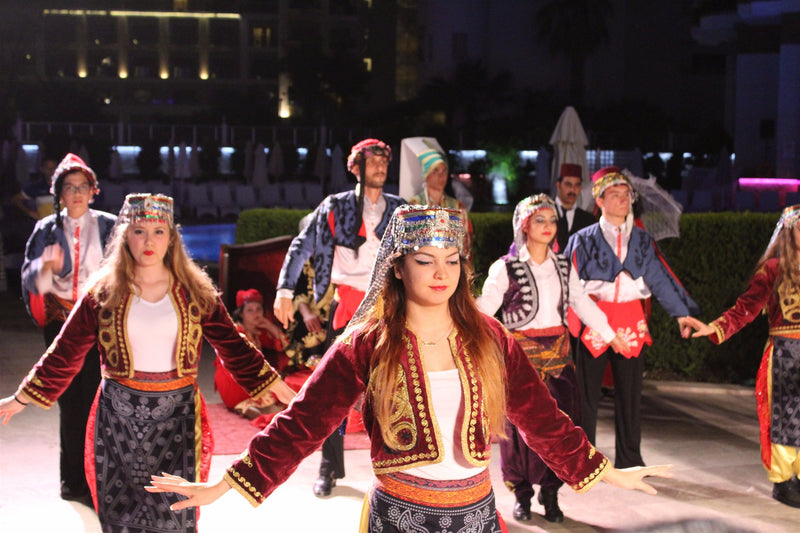
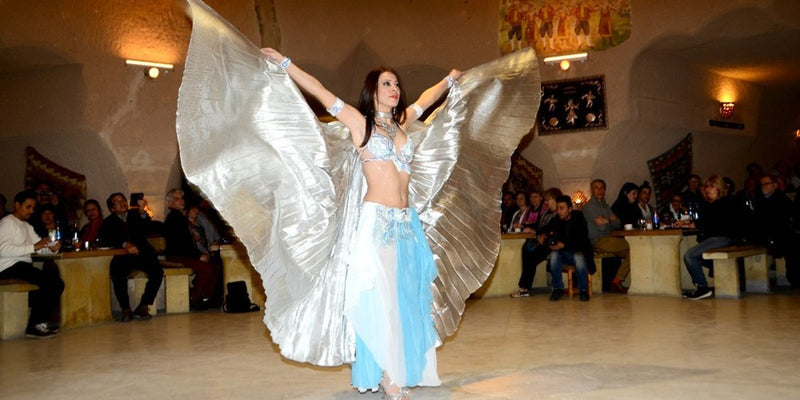

Kappadokiens tyrkiske nat
Udsalg
Udsolgt
Normalpris
$43.00 USD
Normalpris
Stykpris
pr.
Udsalgspris
$43.00 USD
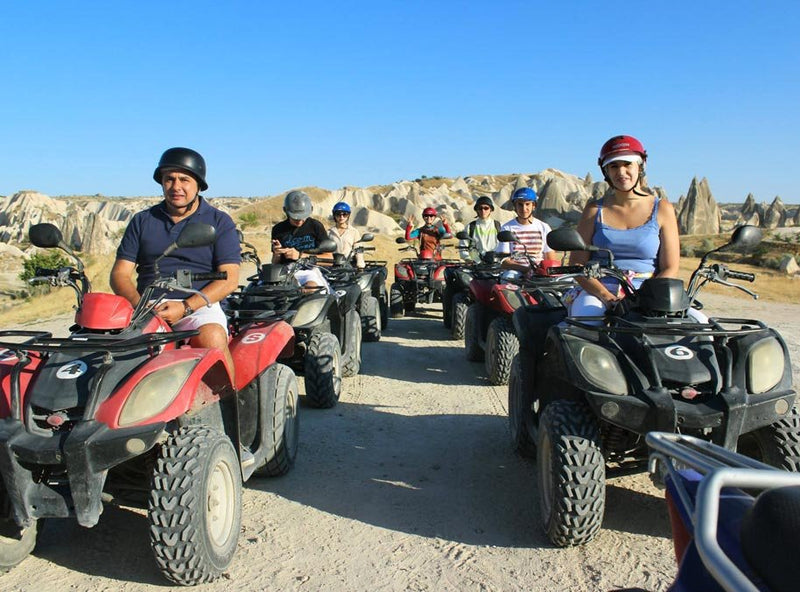
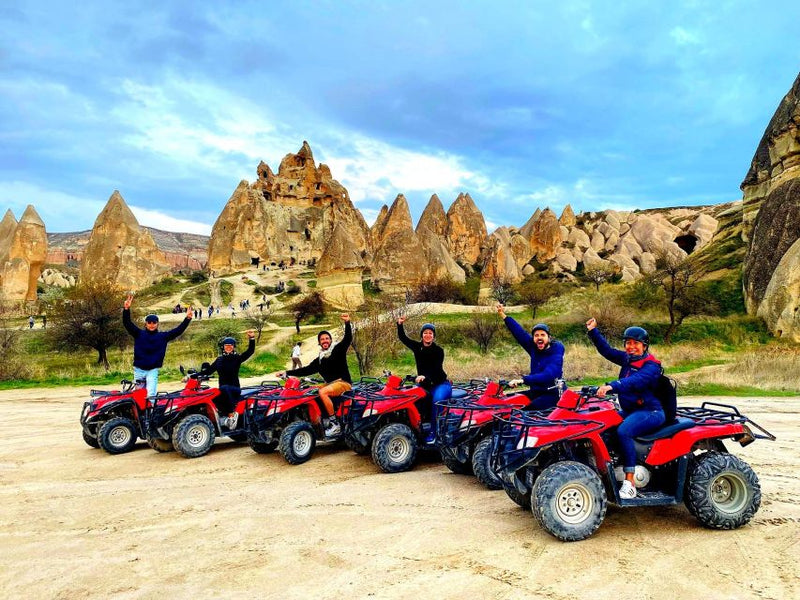

Guidet ATV-tur på firehjuling i Kappadokien
Udsalg
Udsolgt
Normalpris
$28.38 USD
Normalpris
Stykpris
pr.
Udsalgspris
$28.38 USD



Kappadokien: Safaritur i klassisk bil med returtransport
Udsalg
Udsolgt
Normalpris
$123.00 USD
Normalpris
Stykpris
pr.
Udsalgspris
$123.00 USD
Walking routes through the vineyards around Ürgüp and Avanos offer the opportunity to see firsthand the landscape in which wine production takes place. During the harvest season in September and October, these walks take on an even more meaningful character.
Pottery workshops in Avanos are another interesting experience in the region. The centuries-old pottery tradition here is directly connected to wine culture; the jugs once used for wine storage are part of these workshops' heritage.
The underground cities of Derinkuyu or Kaymaklı offer interesting context for those who want to better understand the region's historical viticulture culture. It is possible to find traces of the winemaking tradition that has continued since the Hittites in these structures.
Sitting on one of Göreme's viewpoint terraces at sunset with a glass of Emir is an experience in its own right. Do not rush this moment.
Practical Information
If you want to visit Cappadocia with a focus on wine, September and October are the best months. During harvest season the region takes on a special vitality, and some wineries organise harvest events.
The central triangle of the region is Nevşehir, Ürgüp and Avanos. The majority of wineries are clustered around these three points. Renting a car is the most practical option for route flexibility. If you are planning to visit more than two wineries in a day, I recommend considering a designated driver or local wine tour companies.
The matter of reservations should not be taken lightly. Boutique producers have limited capacity; booking ahead is essential especially for weekends and October.
Cappadocia remains an underexplored region for wine lovers. Yet with the terroir it offers, its native grape varieties and its increasingly mature producers, it represents one of the most interesting corners of Turkish viticulture. Walking among the vines, sensing the mineral character drawn from the volcanic soil in your glass, and drinking wine with fairy chimneys as your backdrop is an experience that cannot be replicated anywhere else. I strongly recommend adding Cappadocia's wineries to your next visit.
FAQ
Is Cappadocia wine famous?
Not as well-known internationally as the Aegean or Thrace, but it is attracting growing interest in the wine world. The volcanic tuff soil and high altitude give wines made from native varieties such as Emir, Öküzgözü and Boğazkere a distinctive mineral character. Established producers like Kocabağ and Turasan have also won awards at international competitions.
What are the must-see places in Cappadocia?
Göreme Open Air Museum, the underground cities of Derinkuyu and Kaymaklı, Paşabağ Valley and Uçhisar Castle are the main stops. Avanos draws attention with its pottery culture, while Ürgüp is particularly appealing for both its historic fabric and its wineries.
How much does a hot air balloon ride cost per person in Cappadocia?
As of 2024, prices range between 100 and 200 Euros per person. The tour typically includes hotel transfer, approximately 1 hour of flight and a champagne celebration. Since there is a risk of cancellation due to weather conditions, it is recommended to book for the first days of your programme.
What is there to do in Cappadocia in the evenings?
Walking through the stone streets of Ürgüp and Göreme, and dinner at local restaurants serving testi kebab and regional mezes are the standout options. Some wineries also offer tastings in the evening. Boutique hotel terraces are ideal for taking in the regional silhouette.
What is Cappadocia famous for?
Above all, it is known for its fairy chimneys and unique volcanic landscape. Hot air balloons filling the morning sky have become the symbol of the region. In addition, with its deep-rooted winemaking tradition, rock-carved churches and distinctive pottery culture, Cappadocia stands out as one of Turkey's most unique destinations.


