







I dette indlæg
Istanbul beskrives ofte som overvældende, fascinerende og uendelig, og størrelsen spiller en stor rolle i det ry. For mange besøgende hjælper det at forstå hvor stor Istanbul er med at sætte realistiske forventninger før ankomsten.
Det er ikke en by, man "ser på en dag." Det er en vidtstrakt, lagdelt metropol, hvor afstande, kvarterer og rejsetid former hele oplevelsen.
Hvor stort er Istanbul i areal
Istanbul dækker cirka 5,300 kvadratkilometer, hvilket gør den til en af Europas største byer målt på landareal. For at sætte det i perspektiv er Istanbul betydeligt større end byer som Paris eller London i forhold til det samlede overfladeareal. Byen strækker sig langt ud over sit historiske centrum, og spænder over bakker, kystlinjer, skove og boligområder.
Denne størrelse forklarer, hvorfor seværdigheder kan føles langt fra hinanden, og hvorfor planlægning af ruter er vigtig for rejsende. Det, der ser tæt ud på et kort, kan tage en time at nå i virkeligheden.

En by på to kontinenter
Et af de mest unikke aspekter ved, hvor stor Istanbul er, kommer fra dens geografi. Byen spænder over to kontinenter, Europa og Asien, adskilt af Bosphorus Strait. Omtrent en tredjedel af Istanbul ligger på den asiatiske side, mens resten ligger i Europa.
For rejsende betyder det, at man besøger to kontinenter på én enkelt tur. At krydse mellem dem tager dog tid, hvad enten det er med færge, metro eller bro. Selvom afstanden i sig selv ikke er enorm, kan trafik og myldretid markant påvirke rejseplanerne.
Befolkningstallet forstærker indtrykket af størrelse
Istanbul huser over 15 millioner indbyggere, og tallet alene får byen til at føles enorm. Læg dertil pendlere, studerende og turister, og byen stopper sjældent op. Tætte folkemængder i områder som Sultanahmet, Taksim og Grand Bazaar forstærker følelsen af omfang, selvom disse zoner kun udgør en lille del af byen.
Befolkningen er spredt over dusinvis af distrikter, der hver især fungerer næsten som en selvstændig by med lokale markeder, caféer, moskeer og transportknudepunkter.
Kvarterer føles som separate byer
En anden grund til, at rejsende spørger, hvor stor Istanbul er, er, hvor forskelligt hvert område føles. Historiske kvarterer som Fatih står i skarp kontrast til moderne distrikter som Levent eller Nişantaşı. Kadıköy på den asiatiske side byder på en afslappet, kreativ stemning, mens Beşiktaş føles ungdommelig og energisk.
På grund af denne mangfoldighed undervurderer besøgende ofte, hvor lang tid det tager at udforske flere områder. At bevæge sig mellem kvarterer kan nemt tage 45 til 90 minutter, især i myldretiden.

Hvor stort er Istanbul i forhold til sightseeing
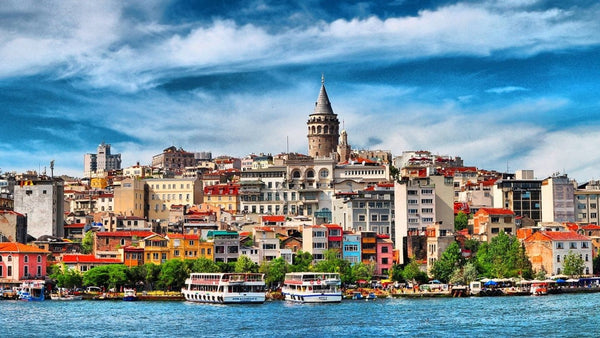
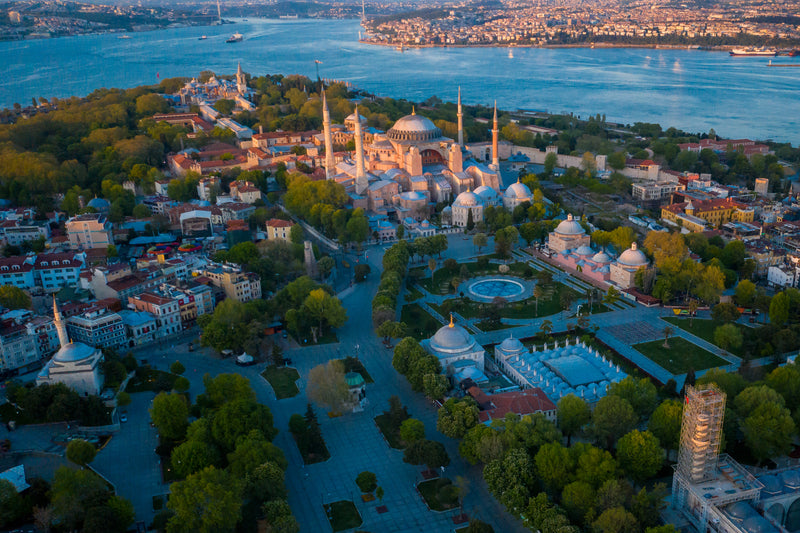
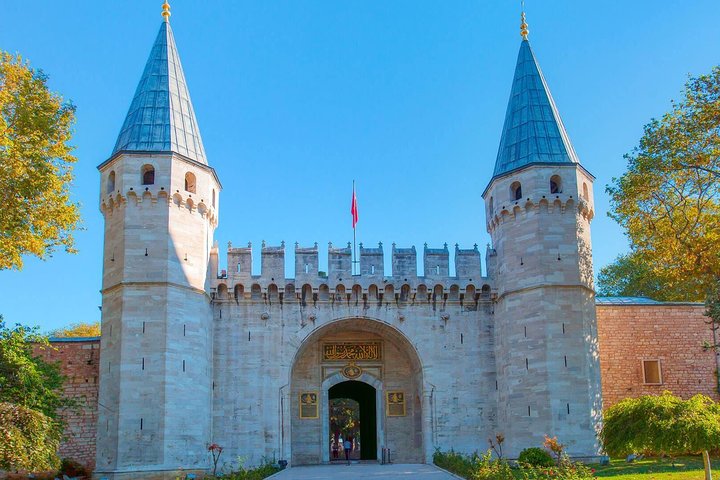
Fra et turistperspektiv er Istanbul ikke kompakt. Store seværdigheder, herunder Hagia Sophia, Topkapi Palace, Dolmabahçe Palace, Galata Tower og the Bosphorus, er spredt over store afstande.
De fleste rejsende har fordel af at gruppere aktiviteter efter område i stedet for at forsøge at dække hele byen hver dag. At bo centralt kan hjælpe, men selv da bør dagsplaner være realistiske og fokuserede.
Besøg Istanbuls smukkeste steder
-
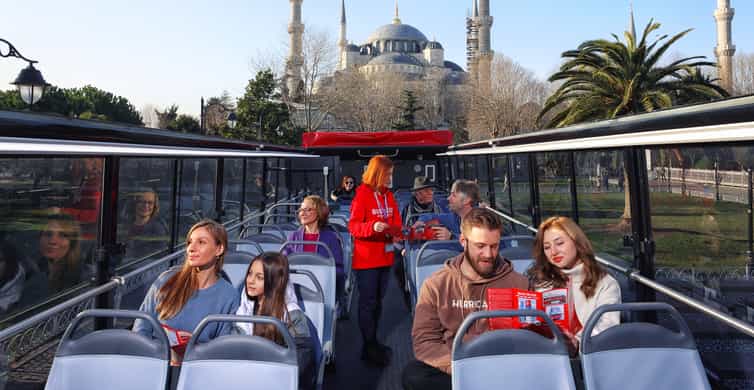
Heldagsbillet til Istanbul Hop-On-Hop-Off busrundtur
Udsalg UdsolgtNormalpris $67.00 USDNormalprisStykpris pr. -
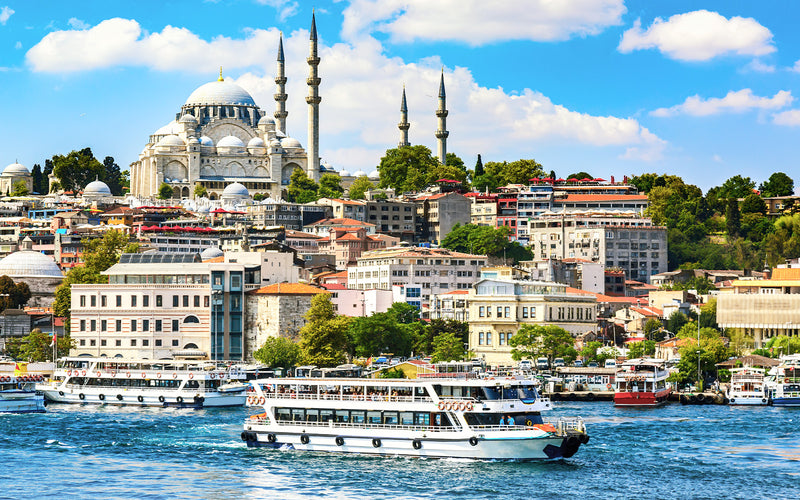
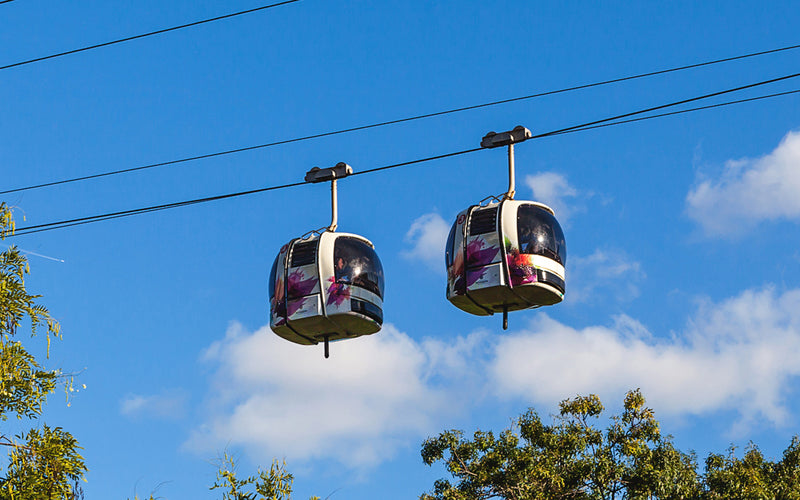
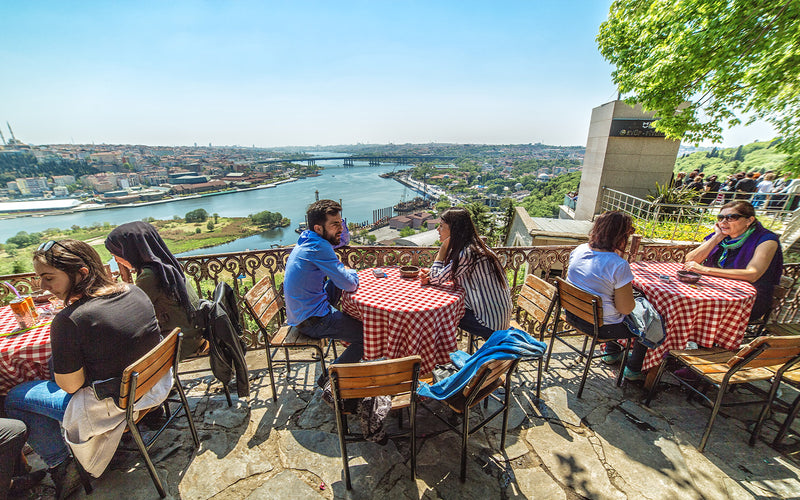
Eftermiddagskrydstogt på Bosporus med svævebane til Pierre Loti-bakken
Udsalg UdsolgtNormalpris $76.50 USDNormalprisStykpris pr. -
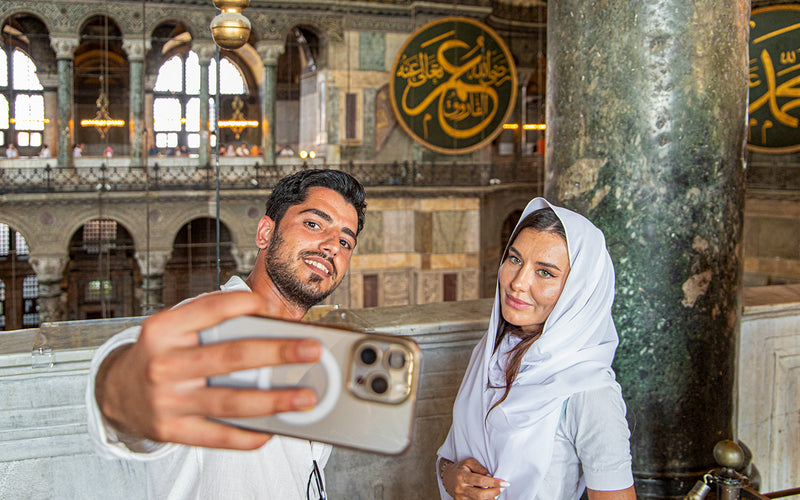
Istanbul: Hagia Sophia, Topkapi Palace, Den Blå Moské, Grand Bazaar & Hippodrom - Guidet tur
Udsalg UdsolgtNormalpris $250.00 USDNormalprisStykpris pr.


Transport hjælper, men planlægning er nøglen
Istanbul har et omfattende offentligt transportsystem, inklusive metroer, sporvogne, færger, busser og Marmaray-tog. Disse systemer gør det muligt at navigere i en så stor by, men rejsetiderne hober sig stadig op.
Færger er ofte den mest fornøjelige måde at tilbagelægge lange afstande på, samtidig med at man undgår trafik, især når man krydser kontinenter. Selv med effektiv transport belønner Istanbul rejsende, der planlægger i forvejen fremfor at skynde sig.
Grønne områder og kyststrækninger
På trods af sin størrelse rummer Istanbul store grønne områder, skove og lange kyststrækninger langs Bosphorus, Golden Horn og Marmara Sea. Disse åbne områder hjælper med at balancere byens tæthed og giver rejsende steder at sænke tempoet.
Parker som Emirgan, Yıldız og Fethi Paşa Grove minder besøgende om, at Istanbuls størrelse inkluderer natur såvel som beton.

Hvad Istanbuls størrelse betyder for rejsende
At forstå, hvor stor Istanbul er, hjælper rejsende med at styre deres forventninger. Det er en by, der opfordrer til længere ophold, fleksibel planlægning og nysgerrighed. Forsøg på at se alt hurtigt fører ofte til udmattelse. At udforske færre områder i dybden giver som regel en rigere oplevelse.
Istanbuls omfang er en del af dens charme; det er et sted, hvor historie, kultur og dagligliv sameksisterer over store afstande.
Afsluttende tanker
Så, hvor stor er Istanbul? Den er enorm i areal, befolkning og oplevelser. Strækkende sig over to kontinenter og tusinder af kvadratkilometer er Istanbul ikke bare en destination, men en samling af verdener inden for én by.
For rejsende betyder det uendelige opdagelser, mangfoldige kvarterer og uforglemmelige kontraster. Med omhyggelig planlægning og realistisk tempo bliver Istanbuls størrelse en fordel snarere end en udfordring, og den tilbyder dybde, variation og oplevelser, som få byer på jorden kan matche.


