


In this blog
Ramadan has a subtle beauty in Aswan, which has always moved at its own pace, but it slows down and becomes more contemplative during Ramadan. You can sense it in the afternoons when the heat and fasting slow things down, and in the mornings when the streets remain quieter than usual. Visitors frequently comment that the city feels more open because there is less noise surrounding it.
In Aswan, Ramadan is characterized by routine and patience. Instead of timetables, people base their days around meals and prayers. Time feels less rigid, stores stay open later, and conversations endure longer. Little things change as nightfall approaches: families walk outside, lights turn on, and tables are laid. Many visitors appreciate the city's sense of balance, achieved through gradual rather than dramatic change.
Things to do in Aswan during Ramadan
 Choosing the right moments is more important for enjoying Aswan during Ramadan than packing your day full of activities. Following the city's beat makes things seem simpler. Using this strategy makes Ramadan activities in Aswan feel effortless rather than exhausting
-
Visit historical buildings and temples first thing in the morning when the streets are still quiet, and the air is cooler. Sightseeing feels concentrated and serene at this point, free from crowds and pressure.
-
Take leisurely strolls along the Nile Corniche in the morning or late afternoon, when the river sets the rhythm and everyday life unfolds organically.
-
Arrange a quick felucca trip near twilight, when the city starts to settle down in anticipation of dinner.
-
As many locals do during fasting hours, keep afternoons light by relaxing indoors, taking in hotel views, or just pausing.
-
Go out once again after dark for leisurely strolls, coffee shops, and time by the river, when the city is lively but not overpowering.
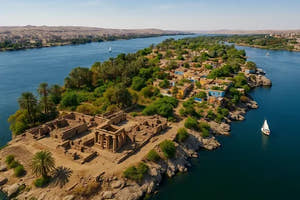
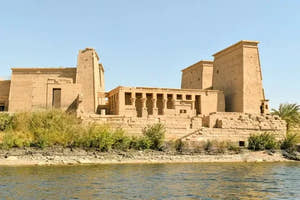
Aswan Private Tour to Elephantine Island, Botanical Garden & Abu Simbel By Private Car



 Tripventura
Felucca Ride to Elephantine Island & Botanical Garden
from
Free cancellation
$29.00 USD
/ Per person


 Tripventura
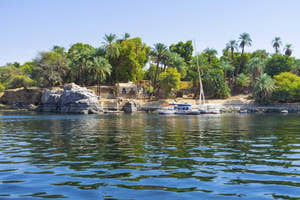
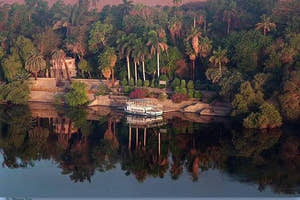
Aswan Private tour to Botanical garden with Felucca ride Nile River
from
Free cancellation
$65.00 USD
/ Per Group
 Tripventura
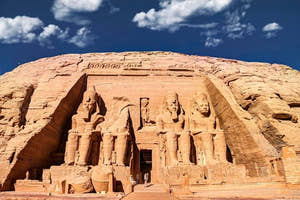
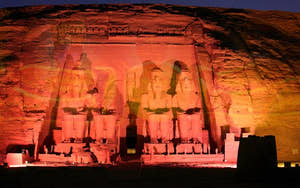
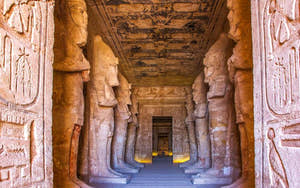
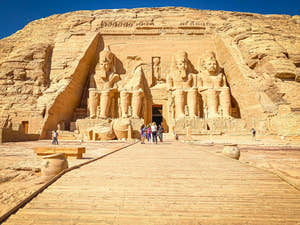
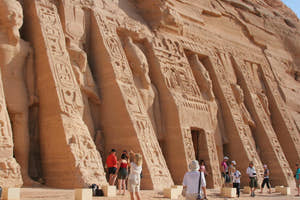
Aswan Abu Simbel Temple Day Trip with Hotel Pickup
from
Free cancellation
$75.00 USD
/ Per Person
Iftar in Aswan
 One of the most reassuring times of the day in Aswan is iftar. There's a distinct silence just before sundown. People congregate, restaurants become quieter, and discussions stop. Meals start without haste or commotion after the fast is over. Eating together is the main goal, not variety or speed.
Full iftar meals are typically prepared by hotel restaurants, which many guests find convenient and comfortable. Particularly in residential regions, local eateries provide a cozier, more intimate atmosphere. Both are open to visitors. Being present, patient, and courteous is sufficient to participate; fasting is not required. Afterwards, many visitors claim that iftar was the time when they felt most a part of Aswan.
Ramadan traditions in Aswan
 Here, daily traditions are subtly incorporated into daily life during Ramadan.
-
Every evening, families gather and frequently take a leisurely stroll through well-known streets after prayers.
-
Near mosques, there are charity food tables that serve meals to anyone in need without any formalities or attention.
-
Lanterns add coziness to nights in homes, stores, and on balconies.
-
Mosques come alive at night during Taraweeh prayers, bringing people together in a peaceful, communal ritual.
-
Aswan's Ramadan customs, which are influenced by close-knit communities and strong familial ties, feel more intimate than official.
Aswan Ramadan events
 In Aswan, Ramadan celebrations are not noisy or planned much in advance. They take place in silence and are a normal part of existence.
-
Mosques and residential areas are the sites of small community meetings, particularly around dusk.
-
Simple celebrations and shared meals unite neighbors without any preparation or marketing.
-
Food sharing and charitable endeavors are no longer considered unique occasions but rather part of everyday life.
-
Ramadan events in Aswan don't require you to attend; instead, you can watch, sit close by, and feel included just by showing up.
Aswan Day Tour to Abu Simbel, Half Day Tour Philae Temple & Kalabsha Temple & Nubian Museum Private Tour
Tripventura
Aswan Abu Simbel Temple Day Trip with Hotel Pickup
from
Free cancellation
$75.00 USD
/ Per Person
 Tripventura
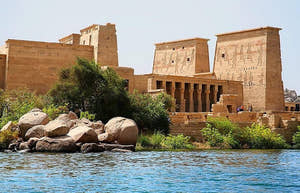
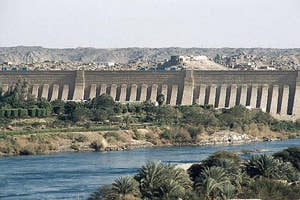
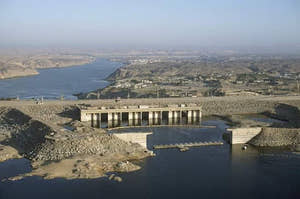
Aswan Half Day Tour Philae Temple, High Dam & Unfinished Obelisk
from
Free cancellation
$116.00 USD
/ Per Person
 Tripventura
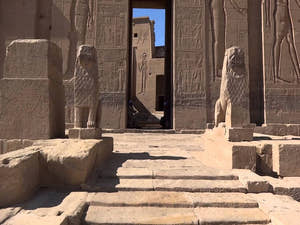
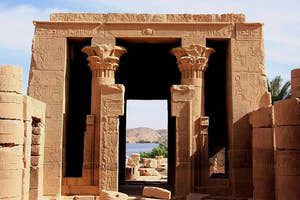
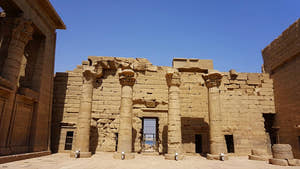
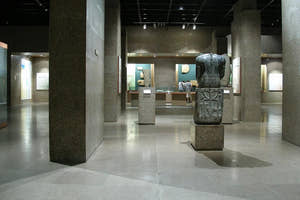
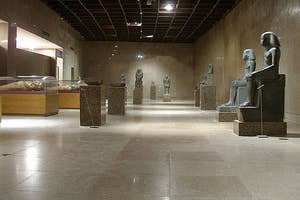
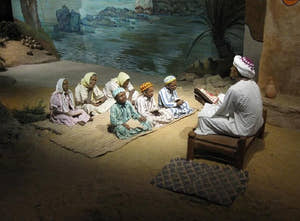
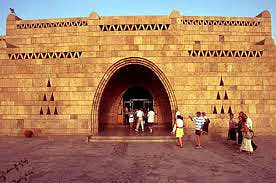
Aswan Kalabsha Temple & Nubian Museum Private Tour with Guide
from
Free cancellation
$156.00 USD
/ Per Group
Aswan nightlife during Ramadan
 Aswan feels most alive in the evenings. Ramadan nightlife in Aswan is relaxed, convivial, and unforced. Particularly along the Nile, cafés remain open late, and patrons stay longer to enjoy tea and pastries. There's no hurry to finish the night or to move on quickly.
The same areas are shared by families, friends, and guests, who frequently converse quietly. These evenings spent sitting, listening, and observing the river end up being the most memorable for many travelers.
Best time to visit Aswan during Ramadan
 You can enjoy the city effortlessly if you are aware of the everyday flow. You can choose the best time to travel to Aswan during Ramadan without following a rigid schedule by following this pattern.
-
Sightseeing and outdoor excursions are best done in the early morning, when the city is tranquil and the temperature is lower.
-
Since most individuals save energy during fasting, midday is the best time to relax, spend time indoors, or stay close to your hotel.
-
As the heat starts to subside, late afternoons are ideal for quick strolls or light plans.
-
The most social time of day is in the evenings after sunset, which is ideal for restaurants, cafés, and leisurely strolls along the Nile.
Final thoughts
Aswan doesn't make an effort to impress during Ramadan. It is not needed. Slower days, communal meals, and soft nights allow the city to openly display its daily existence. Visitors frequently depart with a stronger sense of place but less finished plans. During Ramadan, you sit with Aswan, even for a little while, rather than merely passing through. And long after the trip is over, that feeling usually lingers.
FAQs
1. Is Aswan a good place to visit during Ramadan?
Indeed. Because Aswan becomes more social in the evenings and quieter during the day, many visitors find the city particularly pleasant during Ramadan. The slower pace is ideal for tourists who want leisurely nights by the Nile and peaceful sightseeing.
2. Are tourist attractions open in Aswan during Ramadan?
During Ramadan, most popular attractions, such as museums and temples, remain open. Since certain attractions may close a little earlier than normal, it is better to visit earlier in the day.
3. Can tourists eat and drink during the day in Aswan during Ramadan?
Hotels and tourist-friendly eateries serve food and beverages to visitors. It is polite to refrain from eating or drinking during fasting hours in public places.
4. What is iftar like for visitors in Aswan?
Aswan's iftar is friendly and serene. Visitors can eat at nearby eateries or participate in the hotel's iftar meals. No one requires visitors to fast to participate, and the environment is laid-back.
5. Does Aswan feel quiet or lively during Ramadan?
Aswan is much busier after nightfall, while it is quieter during the day. Evenings are convivial, with families spending time outside and cafés staying open late, creating a calm, welcoming ambiance.


