


In this blog
Istanbul is one of the most visited cities in the world, and if you are wondering how safe it is before you book, you are asking a sensible question. The honest answer is that Istanbul is generally safe for tourists, but it comes with the same caveats as any enormous, heavily touristed city: a handful of well-documented scams, some neighbourhoods that are better avoided, and a handful of current considerations worth being aware of before you go.
This guide covers the full picture, from day-to-day street safety and the most common risks to specific advice for solo travellers and women travelling alone. It also covers what the official travel advisories actually say, what they mean in practice, and what you need to know to have a safe and straightforward trip. And if you are already at the planning stage, things to do in Istanbul collection is a good place to start building your itinerary alongside this guide.
Things to Do in Istanbul
 Tour
Tour
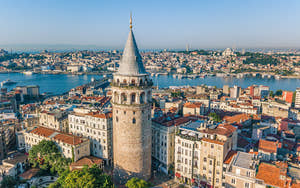
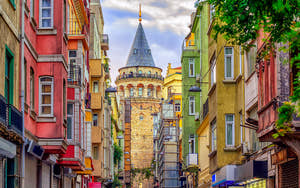
Istanbul Galata & Genoese Afternoon Guided Walking Tour
from
Free cancellation
$65.00 USD
/ Per Person

 Tour
Tour
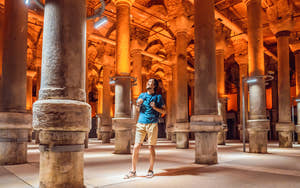
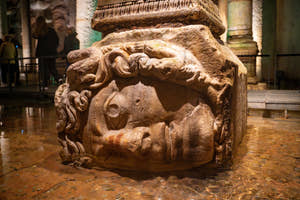
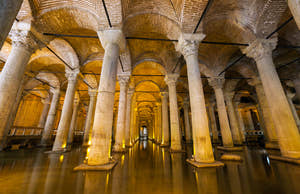
Guided Istanbul Basilica Cistern Tour with Skip the Line Entrance
from
Free cancellation
$44.00 USD
/ Per person





 Tripventura
Istanbul Bosphorus Sightseeing Cruise with Audio Guide
Free cancellation
$26.00 USD
/ Per Person
Is Istanbul Safe for Tourists Now?
Yes, Istanbul is safe for tourists in the main tourist areas. Millions of foreign visitors arrive every year and the vast majority complete their trips without incident. Do they speak English in Istanbul? The city is experienced at handling international tourism on a large scale, English is widely spoken in tourist areas, and locals are generally hospitable and helpful.
Compared to cities like London or Paris, Istanbul maintains relatively low overall crime rates and is widely considered one of the safer major cities in Europe. The risks that do exist are real but largely predictable and avoidable with reasonable awareness.

The most common issues tourists actually encounter are not violent crime but taxi scams, pickpocketing in crowded tourist zones, and various forms of staged friendliness designed to steer visitors toward commission-based shops and overpriced venues. None of these are unique to Istanbul, and all of them can be substantially reduced with basic preparation.
What Are the Real Risks in Istanbul?
Pickpocketing
Pickpocketing is one of the most common safety issues for travellers in Istanbul. Busy tourist zones provide ideal conditions for skilled thieves, and areas like the Grand Bazaar, Istiklal Street, Sultanahmet, ferries, and packed trams are the most frequent hotspots. Distraction techniques are common.
The practical response is straightforward: keep bags in front of you in crowded areas, use an inner pocket or money belt for your passport and main card, and avoid keeping your phone in your back pocket on busy trams and in the bazaars. Staying alert in these specific locations eliminates most of the risk.
Taxi Scams
Taxi scams are among the most commonly reported tourist experiences in Istanbul. Common tactics include refusing to use the meter, taking longer routes, or claiming the meter is broken. The most effective solution is to use the BiTaksi or Uber app, which locks in both route and price before you get in. If you do take a street taxi, make sure the meter is switched on before the journey begins and have your route open on Google Maps so you can follow along.

Scams Targeting Tourists
Several well-documented scams operate in Istanbul's tourist areas, and knowing what they look like in advance is the best defence.
The shoeshiner scam involves a shoe polisher walking ahead of you who drops a brush, you pick it up and hand it back, and they then offer to clean your shoes as a thank you before demanding an inflated fee. This is found all over Istanbul and has even been reported happening to people wearing flip-flops at the time. If someone drops something in a tourist area, let them retrieve it themselves.
The friendly stranger setup involves someone approaching you with excellent English, offering help or company, and eventually steering you into a shop or bar where they receive a commission. Most locals have no particular reason to approach a tourist spontaneously. Treat unsolicited friendliness from strangers in tourist areas with a degree of scepticism, particularly around Sultanahmet and the Grand Bazaar.
The inflated bar bill scam typically starts near Taksim Square, where a new acquaintance invites you for drinks at a venue that turns out to charge wildly inflated prices. Always choose your own venues and check that a menu with clear prices is available before ordering.
Alcohol Safety
Tourists are strongly urged to avoid unlicensed drinks and stick to established bars and restaurants with proper licensing. Only drink alcohol purchased from reputable, licensed venues.
Current Travel Advisory Situation
Several governments currently advise increased caution for Turkey, and it is worth understanding what this means in practice.
As of recent updates, Turkey holds a Level 2: Exercise Increased Caution rating from the US State Department, which is the same level assigned to France, Germany, and Spain. The caution stems from terrorism threats and arbitrary detentions.

Safe Neighbourhoods vs Areas to Be Cautious About
Istanbul is a city of sixteen million people and neighbourhood character varies considerably. Knowing broadly where to stay and where to be more careful makes a real practical difference.
Well-suited for tourists:
Sultanahmet is the historic heart of the city and home to the major monuments. It is heavily policed, well-lit, and very experienced with international visitors. The trade-off is that it is also where tourist-facing scams and inflated restaurant pricing are most concentrated.
Beyoglu and Galata are popular with both tourists and locals, with an active cafe and restaurant scene, good nightlife options, and the famous Istiklal Street. Istiklal Street is lively and well-lit until late with a visible police presence, though it is also one of the more common areas for pickpocketing due to the sheer volume of people.
Karakoy has become one of the most interesting and liveable areas in Istanbul, with independent restaurants, galleries, and a strong local presence alongside tourists.
Besiktas, on the northern European waterfront, is popular with students and younger locals, well served by public transport, and has a relaxed and mixed atmosphere that feels noticeably less tourist-oriented than Sultanahmet.
The Asian side, particularly Kadikoy and Uskudar, offers a more relaxed atmosphere that is more residential and less touristy, which means fewer scams and more authentic day-to-day experiences.
Areas to approach with more caution:
Tarlabasi, despite being just a few blocks from Istiklal Street, is a neighbourhood with a little bit higher crime rates. Dolapdere, slightly further north, is similar. Crimes in these areas are generally not targeted at tourists, but there is little tourist reason to be there either.
Is Istanbul Safe for Solo Female Travellers?
Istanbul is relatively safe for women travelling alone, but it is important to stay street-smart as you would in any large city. The experience varies depending heavily on neighbourhood, time of day, and individual circumstances.
Istanbul feels broadly comparable to other large cities of similar size in terms of actual safety statistics, and many women who visit describe feeling safer than they had expected based on advisories they had read beforehand.
The most commonly reported challenges are verbal attention and catcalling rather than anything more serious, with more intense unwanted attention reported around the bazaar areas in particular.

Practical tips that consistently come up in first-hand accounts from women who have visited:
Dressing modestly, particularly in more traditional neighbourhoods, reduces the likelihood of unwanted attention considerably. This does not mean avoiding summer clothing in Beyoglu or Kadikoy, but being aware of the specific area you are in and adjusting accordingly.
Walking confidently and purposefully as if you know where you are going makes a significant difference to the kind of attention you receive.
Avoiding walking alone late at night in unfamiliar or quieter areas is a sensible precaution, not because Istanbul is unusually dangerous but because this is simply good practice in any large city.
Researching your neighbourhood before booking accommodation is worth investing time in. Staying in a centrally located, well-reviewed area in Sultanahmet, Galata, Beyoglu, or Besiktas is preferable to saving money by staying somewhere that turns out to be poorly situated or less comfortable as a solo woman.
Using the BiTaksi or Uber app rather than hailing street taxis independently is particularly recommended for women travelling alone.
Is It Safe to Walk Around Istanbul at Night?
The main tourist areas of Istanbul are active and busy well into the evening, and walking around Sultanahmet, Beyoglu, Galata, and the waterfront areas at night is generally fine with normal awareness. Restaurants, cafes, and bars remain busy until late, and the streets are lit and populated.
The situations that carry more risk are wandering alone into quieter or less familiar areas late at night, and going to bars or venues on the invitation of people you have only just met. Making your own venue choices, keeping to well-lit and populated streets, and using a ride app rather than walking long distances alone late at night are all sensible practices.

Istanbul Safety Tips
Use ride-hailing apps. BiTaksi and Uber both allow you to confirm your route and price before getting in, removing the most common taxi-related problems entirely.
Keep valuables secure in crowded areas. The Grand Bazaar, Istiklal Street, packed trams, and busy ferry terminals are the places to be most alert about bags and pockets.
Only drink alcohol at licensed venues. Given the methanol poisoning incidents of early 2025, this is not a precaution to take lightly. Stick to established bars and restaurants.
Carry your passport or a certified copy at all times. Turkish law requires that you carry your identity documents on your person at all times, and tourists are subject to the same requirement. A fine applies if you cannot produce the original.
Register with your country's travel programme. The US STEP programme (Smart Traveler Enrollment Program), UK FCDO registration, and equivalent services in other countries allow your embassy to contact you in an emergency and keep you updated on any developing situations.
Have a local SIM or reliable data. Access to Google Maps, ride apps, and current information is a genuine safety asset. An eSIM purchased before departure is a straightforward option. Note that as of mid-2025, certain eSIM providers have been blocked in Turkey, so verifying compatibility before departure is worth doing.
Stay informed about current conditions. Checking your government's travel advisory page in the days before departure and once or twice during your stay takes five minutes and keeps you aware of any newly relevant developments.
Avoid political protests and demonstrations. If you encounter a demonstration, leave the area calmly. Do not photograph police operations or protest activity.
Trust established tour operators for activities. For day trips, boat tours, and excursions, book through verified and reviewed operators rather than accepting offers from people who approach you on the street.
Ready to plan your Istanbul trip? Browse the best tours and activities in Istanbul and start building your itinerary with confidence.
FAQ
Is Istanbul safe to visit right now?
Istanbul is generally safe for tourists in the main tourist areas. The US and several other governments currently advise Level 2: Exercise Increased Caution, which is the same advisory level applied to France, Germany, and Spain. The main practical considerations are avoiding political demonstrations, drinking only from licensed venues, and using verified taxi services.
What is the most common crime against tourists in Istanbul?
Pickpocketing in crowded tourist areas and taxi-related scams are the most frequently reported issues. Violent crime against tourists is rare. Being aware in the Grand Bazaar, on Istiklal Street, on busy trams, and at ferry terminals covers the main pickpocketing hotspots.
Is Istanbul safe for solo female travellers?
Yes, with appropriate awareness. Istanbul is comparable to other large European cities in terms of safety for women. The main things to be aware of are verbal attention in some areas, the importance of choosing accommodation in a well-located neighbourhood, using app-based taxis, and avoiding walking alone late at night in quieter areas.
Which areas of Istanbul should tourists avoid?
Tarlabasi and Dolapdere are the two neighbourhoods most commonly cited as less suitable for tourists. The areas furthest from the waterfront and city centre are generally less tourist-oriented and worth approaching with more caution, particularly at night.
Is it safe to walk around Istanbul at night?
The main tourist areas including Sultanahmet, Beyoglu, Galata, and the waterfront are well-lit, busy, and generally safe to walk around in the evening. Avoiding unfamiliar quieter areas late at night and using a ride app for longer journeys after dark are sensible practices.
Do I need travel insurance for Istanbul?
Travel insurance is strongly recommended. Given the current political situation in Turkey and the importance of having flexible booking arrangements, a policy that includes medical coverage, trip cancellation, and ideally a cancel-for-any-reason option provides meaningful protection.
Is tap water safe to drink in Istanbul?
Tap water in Istanbul is treated but many visitors find it heavily chlorinated and some experience digestive discomfort. Bottled water is cheap and widely available. Stock up at a supermarket rather than buying from kiosks immediately around the major tourist sights, where prices are significantly inflated.


