


In this blog
Istanbul isn’t just a city, it’s an experience. Sitting between Europe and Asia, it blends centuries of history with modern energy in a way few places can. One minute you’re walking through ancient mosques, the next you’re sipping coffee in a trendy café overlooking the Bosphorus.
If you’re wondering where to visit in Istanbul, the options can feel overwhelming. The city is massive, layered with history, and full of neighborhoods that each offer something different. From iconic landmarks to hidden local spots, this guide breaks down the best places you shouldn’t miss.
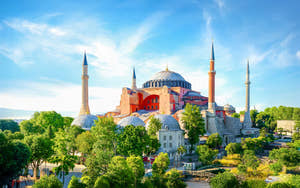
1. Hagia Sophia – The Heart of Istanbul
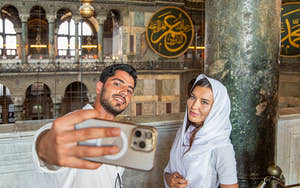
Built in 537 AD under Byzantine Emperor Justinian I, Hagia Sophia stood as the world’s largest cathedral for nearly 1,000 years. Later converted into a mosque, then a museum, and now a mosque again, it reflects Istanbul’s layered identity.
The massive dome (over 31 meters wide) feels unreal when you step inside. Entry is free, but expect queues, especially midday. Visit early morning or late afternoon for a quieter experience and softer light through the windows.

2. Blue Mosque – Beauty in Every Detail
Officially called Sultan Ahmed Mosque, this 17th-century masterpiece is famous for its six minarets, something rare at the time. Inside, over 20,000 handmade Iznik tiles give it that signature blue glow.
It’s still an active mosque, so entry is free but closes briefly during prayer times. Dress modestly (headscarf for women). The courtyard itself is massive and often less crowded, making it a great spot to pause and take in the architecture.

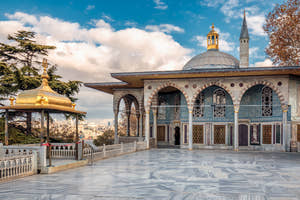
3. Topkapi Palace – Ottoman Royal Life
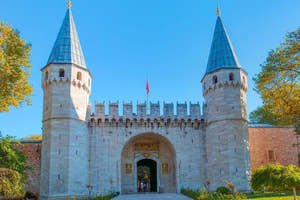
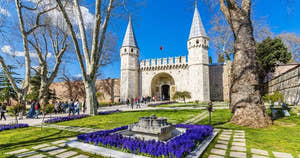
This was the administrative and royal center of the Ottoman Empire for nearly 400 years. Spread across four courtyards, it houses imperial collections, weapons, and religious relics, including items believed to belong to Prophet Muhammad (PBUH).
The Harem section requires a separate ticket but is worth it for understanding palace life. Entry costs around 750–1000 TRY depending on access areas. Plan at least 2–3 hours here, it’s huge.

4. Grand Bazaar – A World of Its Own
With over 4,000 shops and 60+ covered streets, the Grand Bazaar is one of the oldest markets in the world, dating back to the 15th century. You’ll find carpets, gold, ceramics, and leather goods, but prices are rarely fixed.
Bargaining is expected, and starting 30–40% below the asking price isn’t unusual. It’s closed on Sundays, which many travelers don’t realize. Go early in the day to avoid heavy crowds and actually enjoy browsing.

5. Spice Bazaar – A Sensory Overload
Also known as the Egyptian Bazaar, this market dates back to the 1660s and was historically funded through spice trade taxes. It’s smaller than the Grand Bazaar but far more aromatic and vibrant. Expect rows of saffron, dried fruits, herbal teas, and Turkish delight.
Prices here are slightly more fixed but still negotiable. It’s a great place to buy edible souvenirs, especially vacuum-packed sweets that are easier to carry.

6. Basilica Cistern – Hidden Underground Beauty
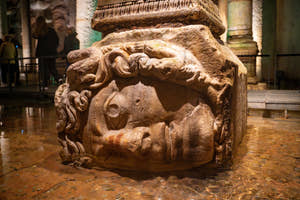
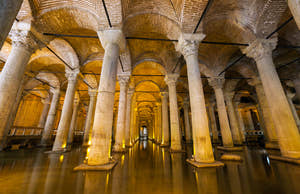
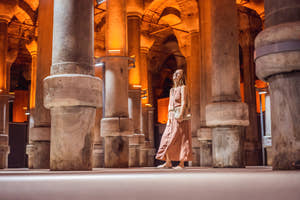
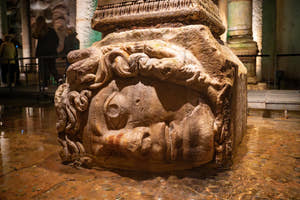
Built in the 6th century, this underground water reservoir once supplied water to the Byzantine palace. It holds around 80,000 cubic meters of water and is supported by 336 marble columns. The most famous detail? T
wo Medusa head sculptures placed at the base of columns. Entry costs around 450–600 TRY. The dim lighting and reflections create a surreal atmosphere, honestly, one of the most unexpected highlights in Istanbul.

7. Galata Tower – Best Views of Istanbul
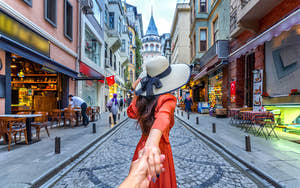
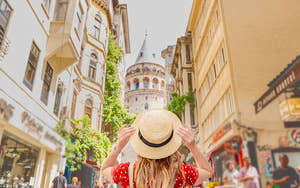
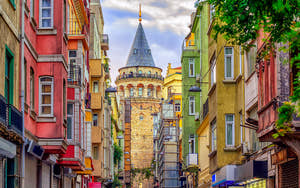
Originally built in 1348 by the Genoese, Galata Tower offers one of the best 360° views of Istanbul. At 67 meters tall, it overlooks the Golden Horn, Bosphorus, and historic peninsula. Entry is around 650–800 TRY.
The elevator takes you most of the way, but there’s still a short climb. Sunset is the most popular time, so expect lines. If you want fewer crowds, go right when it opens.
Book the best tour in Istanbul
-
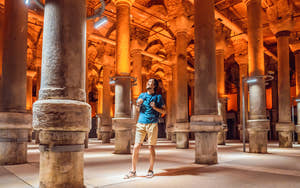
 Tour
TourGuided Istanbul Basilica Cistern Tour with Skip the Line Entrance
from Free cancellation$44.00 USD/ Per person -
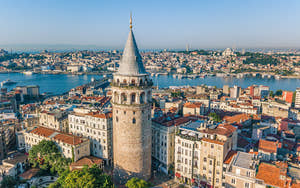 Tour
TourIstanbul Galata & Genoese Afternoon Guided Walking Tour
from Free cancellation$65.00 USD/ Per Person -
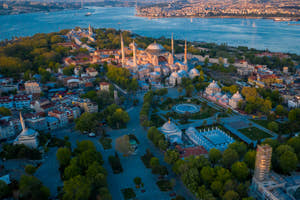 Tour
TourIstanbul Hagia Sophia, Topkapi Palace, Blue Mosque Grand Bazar & Hippodrome Guided Tour
from Free cancellation$250.00 USD/ Per Person

8. Istiklal Street – The Pulse of the City
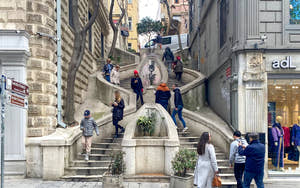
Stretching about 1.4 km, Istiklal Street sees nearly 3 million visitors daily on weekends. It’s the heart of modern Istanbul, packed with international brands, local shops, cafes, and street performers.
The historic red tram running through it isn’t just for show; it still operates. Prices here are slightly higher than in other areas, especially for food. Walk it in the evening when the street lights up and feels most alive.

9. Taksim Square – The Modern Center
Taksim Square is more than just a landmark; it’s Istanbul’s main gathering point. It’s home to the Republic Monument (1928) and serves as a major transport hub connecting metro, buses, and taxis. It’s also known for political events and celebrations.
While it’s not a “tourist attraction” in the traditional sense, it’s where you feel the city’s energy. Most hotels in central Istanbul are located within walking distance of this area.

10. Bosphorus Strait – Where Continents Meet
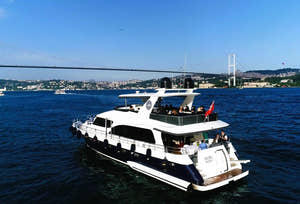
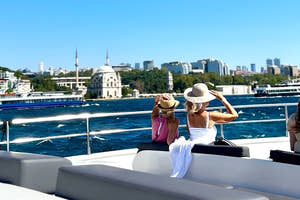
The Bosphorus is a natural waterway about 31 km long, separating Europe and Asia. A ferry ride here costs as little as 20–50 TRY with an Istanbulkart, making it one of the city's cheapest scenic experiences.
You’ll pass Ottoman palaces, mosques, and waterfront mansions (yalıs). Sunset cruises are more expensive but offer a more curated experience. Locals often use ferries daily, it’s not just a tourist thing.

11. Ortaköy – Views, Food, and Vibes
Ortaköy sits right under the Bosphorus Bridge and is famous for its waterfront mosque and lively square. It’s especially popular in the evenings and weekends.
The area is known for kumpir (stuffed baked potatoes), usually priced between 150–250 TRY depending on toppings. Street vendors and small stalls line the area. It’s one of the best places for casual photos with the bridge in the background.

12. Kadıköy – The Local Side of Istanbul
Located on the Asian side, Kadıköy feels less touristy and more lived-in. It’s known for its food scene, local markets, and artsy vibe. The Kadıköy Market is a highlight, offering fresh produce, seafood, and Turkish snacks.
Prices here are generally lower than the European side. Ferries from Eminönü or Karaköy take around 20–30 minutes. It’s a great place if you want to experience everyday Istanbul life.

13. Üsküdar – Calm and Cultural
Üsküdar offers a quieter, more traditional side of Istanbul. It’s home to historic mosques and peaceful waterfront views. The Maiden’s Tower, just off the coast, is one of the most photographed spots here.
Ferries connect it easily to the European side. It’s especially beautiful at sunset when locals gather along the shore. Compared to busy districts, Üsküdar feels slower and more reflective.

14. Dolmabahçe Palace – European Elegance
Built in the 19th century, Dolmabahçe Palace reflects strong European architectural influence, unlike earlier Ottoman palaces. It has 285 rooms and features the world’s largest Bohemian crystal chandelier, weighing around 4.5 tons.
Entry costs around 650–900 TRY, depending on access. It’s also where Mustafa Kemal Atatürk spent his final days. The interiors are extremely detailed, so guided tours are highly recommended.
Experience the best places in Istanbul with Us
-
 Tour
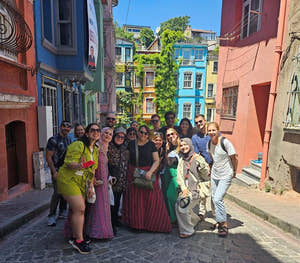
TourIstanbul Fener Balat Half day Guided Walking Tour
from Free cancellation$32.00 USD/ Per Person -
 Tripventura
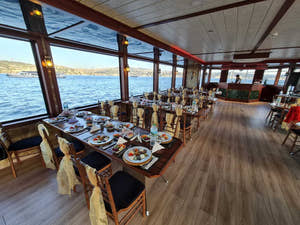
Istanbul: Bosphorus & Black Sea Sightseeing Cruise
from Free cancellation$168.00 USD/ Per Person -
 Tripventura
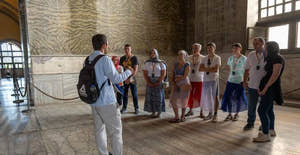
Istanbul Guided Tour Hagia Sophia, Topkapi, Cistern
from Free cancellation$230.00 USD/ Per Person
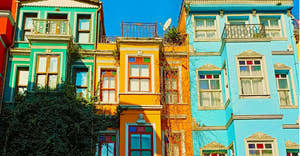
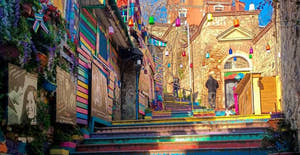
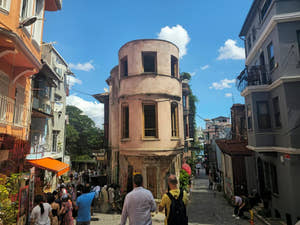
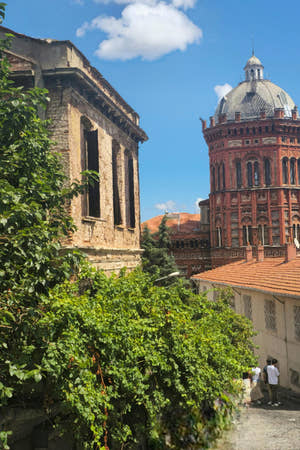



15. Balat – Colorful and Photogenic
Balat is one of Istanbul’s oldest neighborhoods, historically home to Jewish and Greek communities. Today, it’s known for its colorful houses, vintage shops, and small cafes. While it looks Instagram-perfect, it’s also a real residential area, so be respectful while exploring.
Many buildings date back over a century. It’s best explored on foot, and early mornings are quieter if you want photos without crowds.


