





In this blog
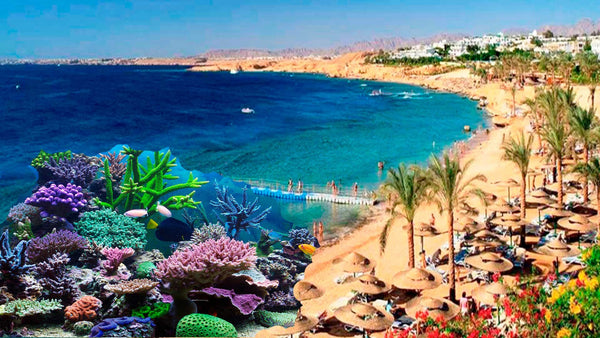
Sharm El-Sheikh in September is one of the best kept secrets on the Red Sea. The intense peak summer heat starts to ease, the sea is still beautifully warm, and hotel prices remain lower than they will be just a few weeks later when European tourists flood back in October. If you are looking for a destination that combines great value, warm water, and a quieter atmosphere, September in Sharm El-Sheikh is hard to beat. This guide covers everything you need to know.
Sharm El Sheikh September Activities
-
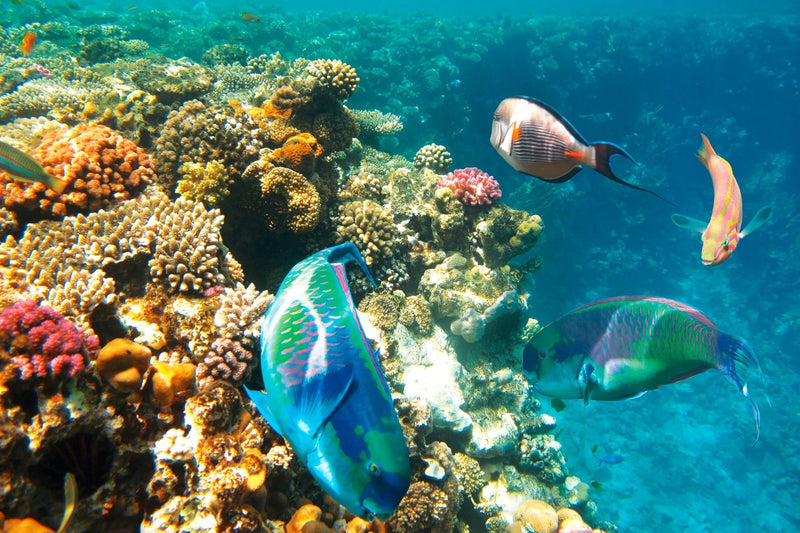
Sharm El Sheikh Submarine Tour
Off Sold outRegular price $45.00 USDRegular priceUnit price per -
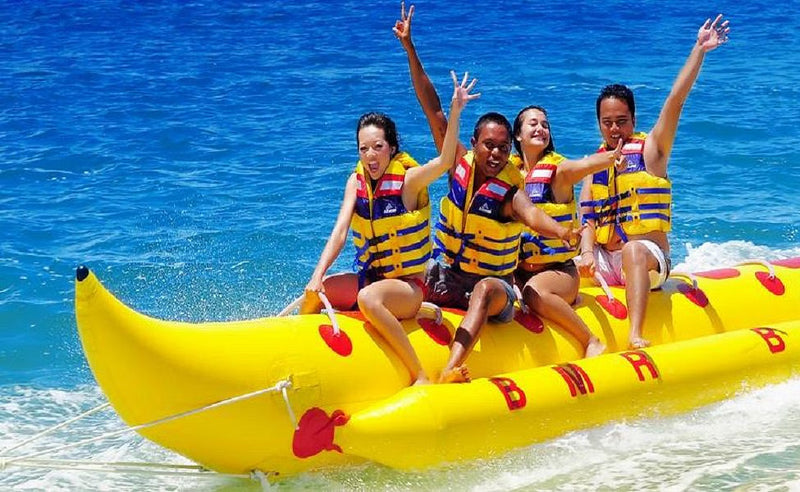
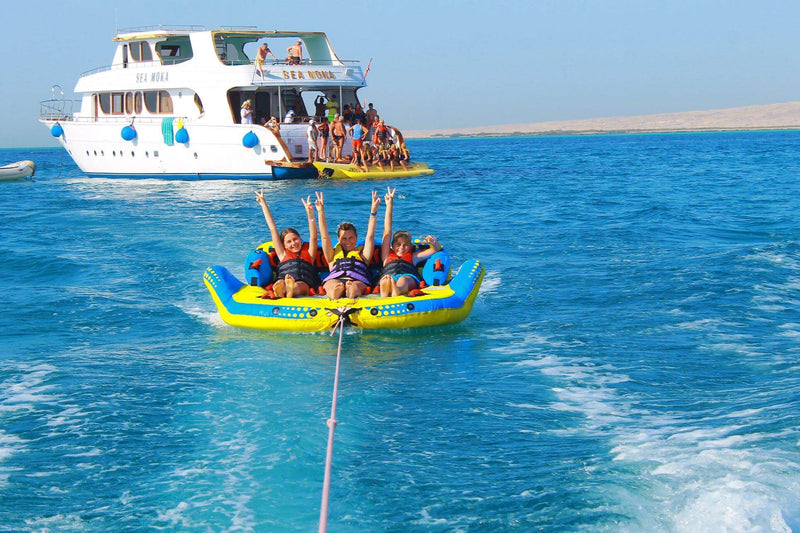
Sharm El Sheikh Banana Boat Tour
Off Sold outRegular price $20.00 USDRegular priceUnit price per$0.00 USDSale price $20.00 USD -
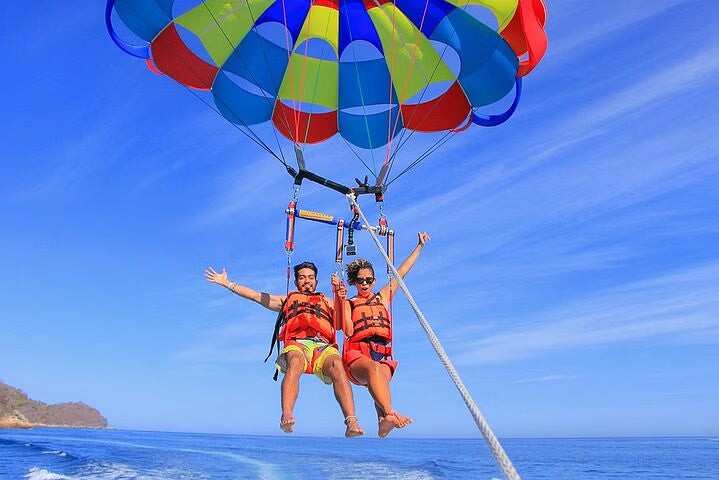
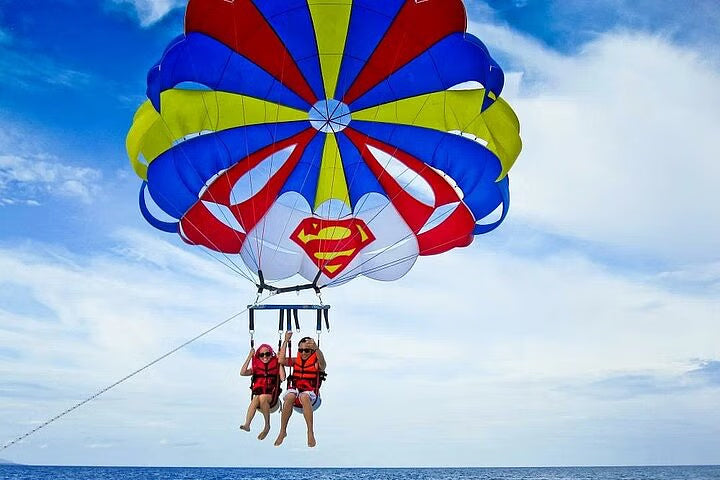
Sharm El Sheikh Parasailing
Off Sold outRegular price $20.00 USDRegular priceUnit price per -
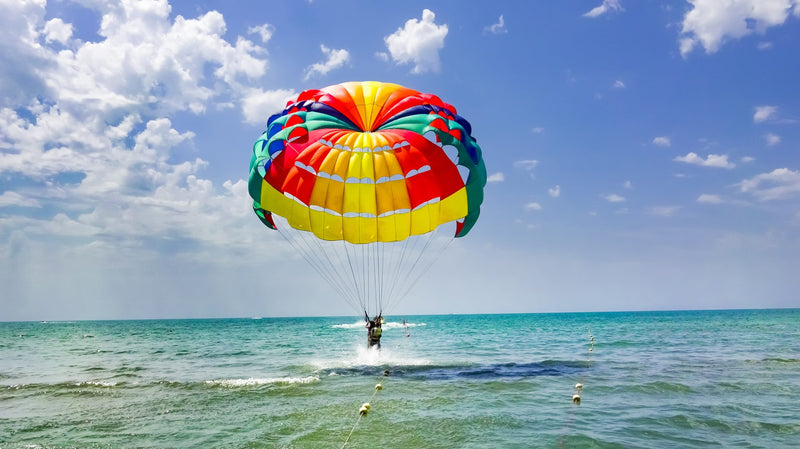
Sharm El Sheikh Tube Boat Tour
Off Sold outRegular price $20.00 USDRegular priceUnit price per$0.00 USDSale price $20.00 USD





Sharm El-Sheikh Weather in September
September marks the beginning of the transition out of peak summer in Sharm El-Sheikh. Daytime temperatures average around 34 to 36°C, which is a noticeable improvement on August but still very warm. Nights cool down to around 24 to 27°C, making evenings genuinely pleasant for dining out, walking along the marina, or exploring Naama Bay.
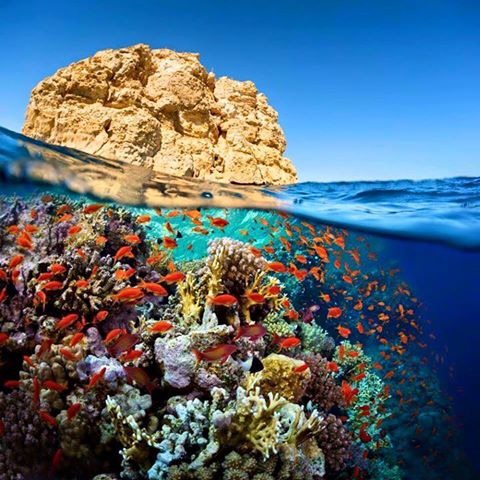
There is virtually no rain at all in September. The sky stays clear with around 11 to 12 hours of sunshine per day, and the UV index remains very high throughout the month. The sea temperature in September is one of the best of the year, averaging around 28°C, which makes it ideal for snorkeling, diving, and swimming. September and August share the warmest sea temperatures of the year, and September also tends to have slightly better visibility underwater as conditions become more comfortable for longer dives.
The midday hours are still hot, so the same general rule applies: plan outdoor activities for the morning or late afternoon, and use the middle of the day for the pool, lunch, or rest.

What to Pack for Sharm El-Sheikh in September
Packing for September is very similar to August, with one or two small additions for the slightly cooler evenings later in the month.
Clothing: Lightweight, breathable fabrics remain the priority. Linen shirts, cotton shorts, summer dresses, and loose trousers all work well. Pack multiple swimsuits, a reef-safe rash guard, and water shoes for the beach. Towards the end of September, evenings can feel slightly cooler, so a light cardigan or thin long-sleeved layer is worth adding. If you plan to visit mosques or local markets, pack one modest outfit that covers your shoulders and knees.
Sun protection: September sun is just as strong as August. Bring SPF 50 sunscreen, UV-protective sunglasses, and a wide-brimmed hat. Reef-safe sunscreen is strongly recommended to protect the coral reefs in the Red Sea.
Footwear: Flip-flops for the beach and pool, comfortable sandals for walking around, and water shoes if you plan to snorkel from rocky shores.
Other essentials: Insect repellent for evenings, basic medicines, and motion-sickness tablets if you are planning boat trips. Bring passport copies, travel insurance details, and tour confirmations. A reusable water bottle is essential. Always fill it with bottled water rather than tap water.

Top Things to Do in Sharm El-Sheikh in September
September is one of the best months for activities in Sharm El-Sheikh. The sea is at its warmest, conditions for diving and snorkeling are excellent, and the slightly lower temperatures make outdoor excursions more enjoyable than in the peak summer months.
Egypt Snorkeling and diving at Ras Mohammed National Park is the standout experience for any visit to Sharm. This protected marine reserve at the southern tip of the Sinai Peninsula is home to some of the most beautiful coral reefs in the world. September is particularly good for diving because visibility is excellent and the warm sea temperature means you can stay in the water longer. Most tours include boat transfers, snorkeling gear, and a BBQ lunch on board.

Tiran Island is another unmissable experience. A boat trip takes you to some of the Red Sea's most spectacular dive sites, with crystal-clear water and a huge variety of marine life. It is a full day out and one of the most memorable things you can do in Sharm.

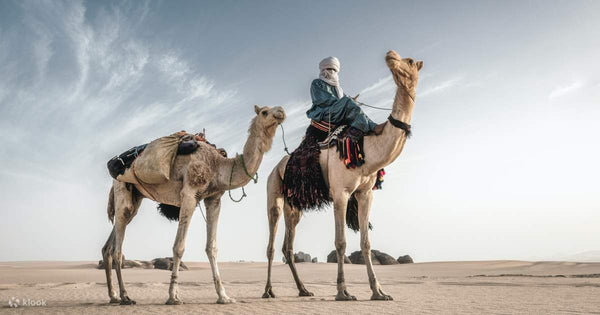
Desert safari Sharm El-Sheikh is more enjoyable in September than in August because the temperatures are slightly more manageable. Early morning or sunset tours are still the best option. Most tours take you through the Sinai Desert by jeep or quad bike, finishing at a Bedouin camp with traditional food, tea, and stargazing.

Al-Sahaba Mosque and the Old Market are worth visiting for a taste of local culture. The mosque is especially beautiful when lit up at night. Dress modestly, cover your shoulders and knees, and combine the visit with a walk through the nearby market for spices, crafts, and souvenirs.

Day trips are easier and more comfortable in September than in the height of summer. Luxor and Cairo are both reachable by short domestic flight, and St. Catherine's Monastery and Mount Sinai make for a spectacular early morning excursion, with sunrise from the summit being one of the most memorable experiences in all of Egypt.
Where to Stay in Sharm El-Sheikh in September
September sits in an interesting position for hotel prices. It is still considered shoulder season, which means rates are lower than peak winter months like October, November, and December, but prices start to creep up compared to August as more travelers begin returning to the Red Sea.
Naama Bay is the best area for first-time visitors. It is central, lively, and has a wide range of hotels from mid-range to five-star. The promenade is lined with restaurants, bars, shops, and beach clubs, and everything is within walking distance.
Sharks Bay is calmer and suits families and couples who prefer a quieter stay. Many resorts here have private beaches with calm, shallow waters that are perfect for safe swimming and snorkeling. Some hotels have private jetties leading directly to coral reefs.
Nabq Bay sits further north and is popular with divers and eco-tourists. It has large all-inclusive resorts, more space, and a natural mangrove reserve nearby. September is a particularly good time to book here as diving conditions are excellent and prices are still competitive.
El Hadaba is good for travelers who want a mix of beach access and a more local atmosphere. It is close to the Old Market and has a range of accommodation styles from boutique hotels to simple apartments.
For a luxury stay, the Four Seasons Resort Sharm El-Sheikh is consistently rated among the best in Egypt, with multiple pools, 12 restaurants and bars, a spa, and a private beach. If that is over budget, there are excellent four and five-star all-inclusive options across all areas of the city. Book early if you are visiting in late September, as this is when demand starts to pick up.
Events in September in Sharm El-Sheikh
September brings more activity to Sharm El-Sheikh than August as the city begins transitioning into its busier season. Resort entertainment continues throughout the month, with most large hotels running nightly shows, themed dinners, beach parties, and live music.
September is also a strong month for diving events in Sharm. Several dive centers and clubs organize group dives, underwater photography competitions, and night dive events during this period, taking advantage of the excellent September sea conditions. It is worth checking with your hotel or a local dive center on arrival to find out what is happening during your stay.
Towards the end of September, some resorts begin launching their winter season programming, so guests arriving in the last week of the month may find more entertainment options on offer than earlier in September.
Travel Tips for Sharm El-Sheikh in September
Book early for late September. September prices are generally good, but the last week of the month sees an increase in demand as peak season approaches. Booking in advance secures the best rates and availability.
Plan outdoor activities around the heat. The midday hours are still hot in September. Go diving, snorkeling, or sightseeing before 11am or after 4pm. The slightly cooler September evenings are one of the highlights of the month and perfect for exploring on foot.
Only drink bottled water. Tap water in Sharm El-Sheikh is not safe to drink. Always use bottled water, including for brushing your teeth if you have a sensitive stomach.
Sort your visa before you travel. You can apply for an Egyptian e-visa online before your trip. If you are only visiting the Sharm El-Sheikh resort area for up to 15 days, many nationalities receive a free entry stamp on arrival. If you plan to travel elsewhere in Egypt or stay longer, you will need a full tourist visa.
Use reef-safe sunscreen. September sun is still very strong and the UV index remains high throughout the month. Standard sunscreens contain chemicals that damage coral. Reef-safe options are available at most hotels and dive shops in Sharm.
Agree on prices before you commit. Whether you are taking a taxi, renting a quad bike, or getting a camel photo, always confirm the price in advance to avoid misunderstandings.
Take travel insurance. Medical costs can add up quickly if something goes wrong. Travel insurance that covers medical evacuation is strongly recommended.
FAQs
Is September a good time to visit Sharm El-Sheikh?
Yes. September is one of the best months to visit. The heat is slightly lower than August, the sea is still beautifully warm, hotel prices are lower than the busy winter months, and the resort is less crowded than it will be from October onwards.
How hot does it get in Sharm El-Sheikh in September?
Daytime temperatures average around 34 to 36°C. Nights cool to around 24 to 27°C, making evenings very comfortable. There is no rain and the sun shines for around 11 to 12 hours a day.
Is the sea warm enough to swim in September?
Yes. The Red Sea in Sharm El-Sheikh averages around 28°C in September, one of the warmest months of the year. It is ideal for swimming, snorkeling, and diving.
Is Sharm El-Sheikh safe for tourists in September?
Yes. Sharm El-Sheikh is one of the safest tourist destinations in Egypt. The resort areas have dedicated tourist police and around-the-clock security. Millions of visitors travel there every year without incident.
Do I need to dress modestly in Sharm El-Sheikh?
Inside resort areas, beaches, and pools, normal swimwear and summer clothing are completely fine. When visiting mosques, the old market, or other local areas, it is respectful to cover your shoulders and knees.
Is September cheaper than other months in Sharm El-Sheikh?
September is cheaper than peak season months like October, November, and December. It is slightly more expensive than August, but still offers good value, especially in the first three weeks of the month.
What is the best area to stay in Sharm El-Sheikh for first-time visitors?
Naama Bay is the most popular choice for first-timers. It is central, well-connected, lively, and has a wide range of hotels at different price points.
How many days do I need in Sharm El-Sheikh?
Most people find five to seven days gives them enough time for beach days, a diving or snorkeling trip, a desert safari, and some exploring. A week also allows for a day trip to Luxor or Cairo if you want to add some history to your trip.
What should I not miss in Sharm El-Sheikh?
Ras Mohammed National Park for diving and snorkeling, a boat trip to Tiran Island, a desert safari at sunset, and a walk around Naama Bay at night are the highlights most visitors remember most.


